
 Hytale
 Heroes of Might and Magic III HD Horn of The Abyss
 Heroes of Might and Magic 4: Complete
 Hello Kitty Island Adventure
 Hearts of Iron IV
 inZOI
inZOI HackHub - Ultimate Hacker Simulator
 Guns, Gore & Cannoli 2


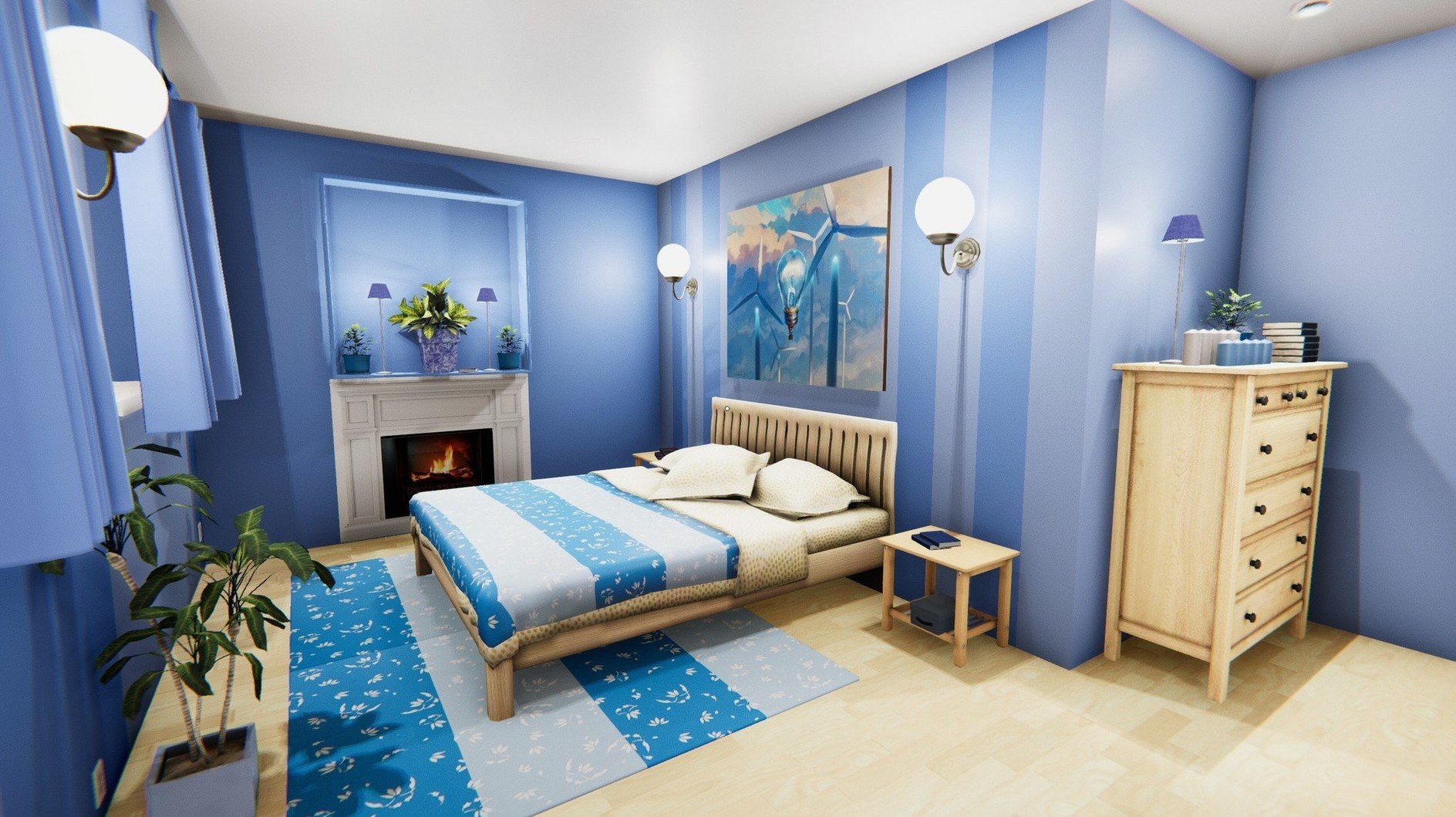
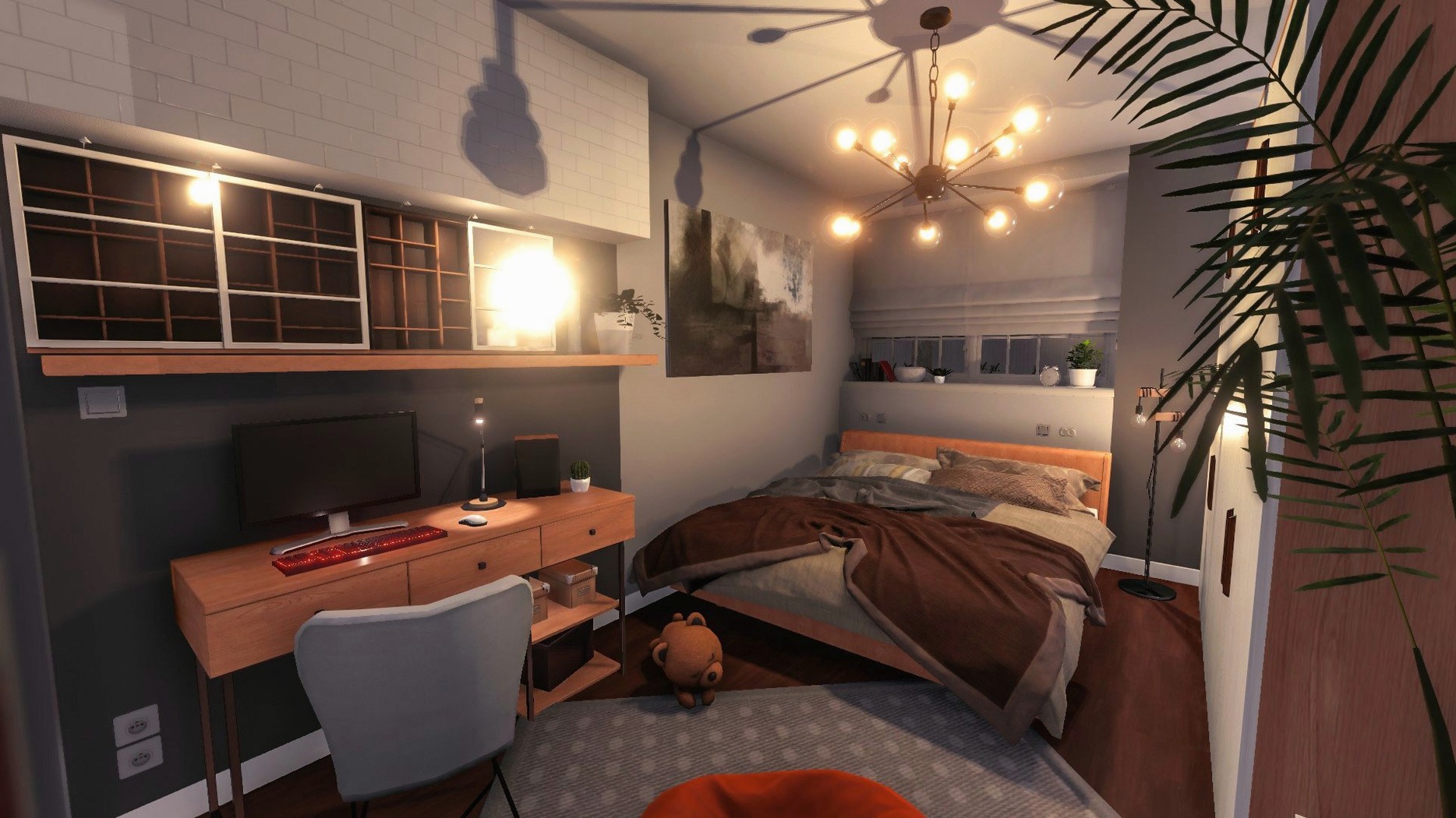
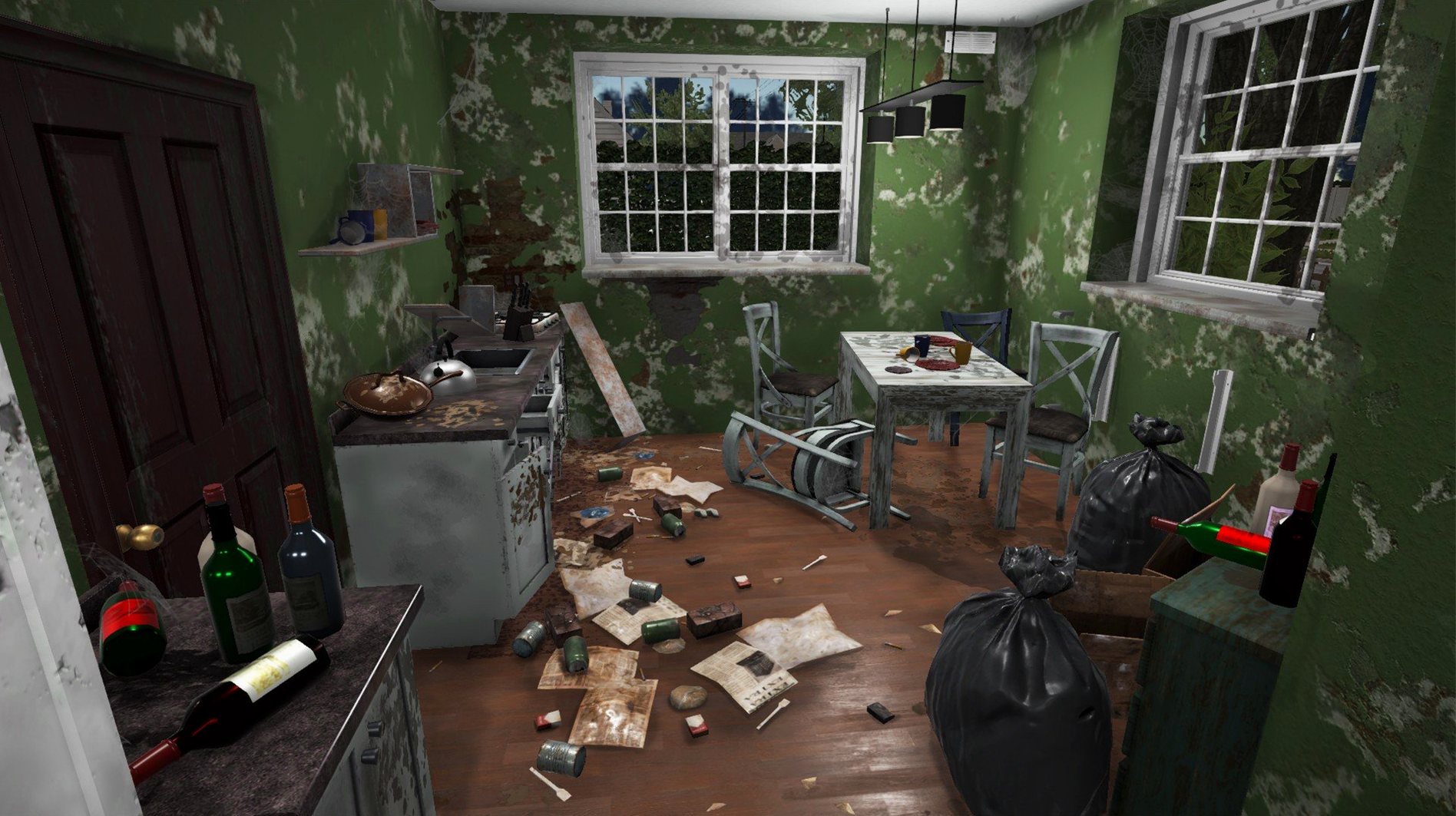
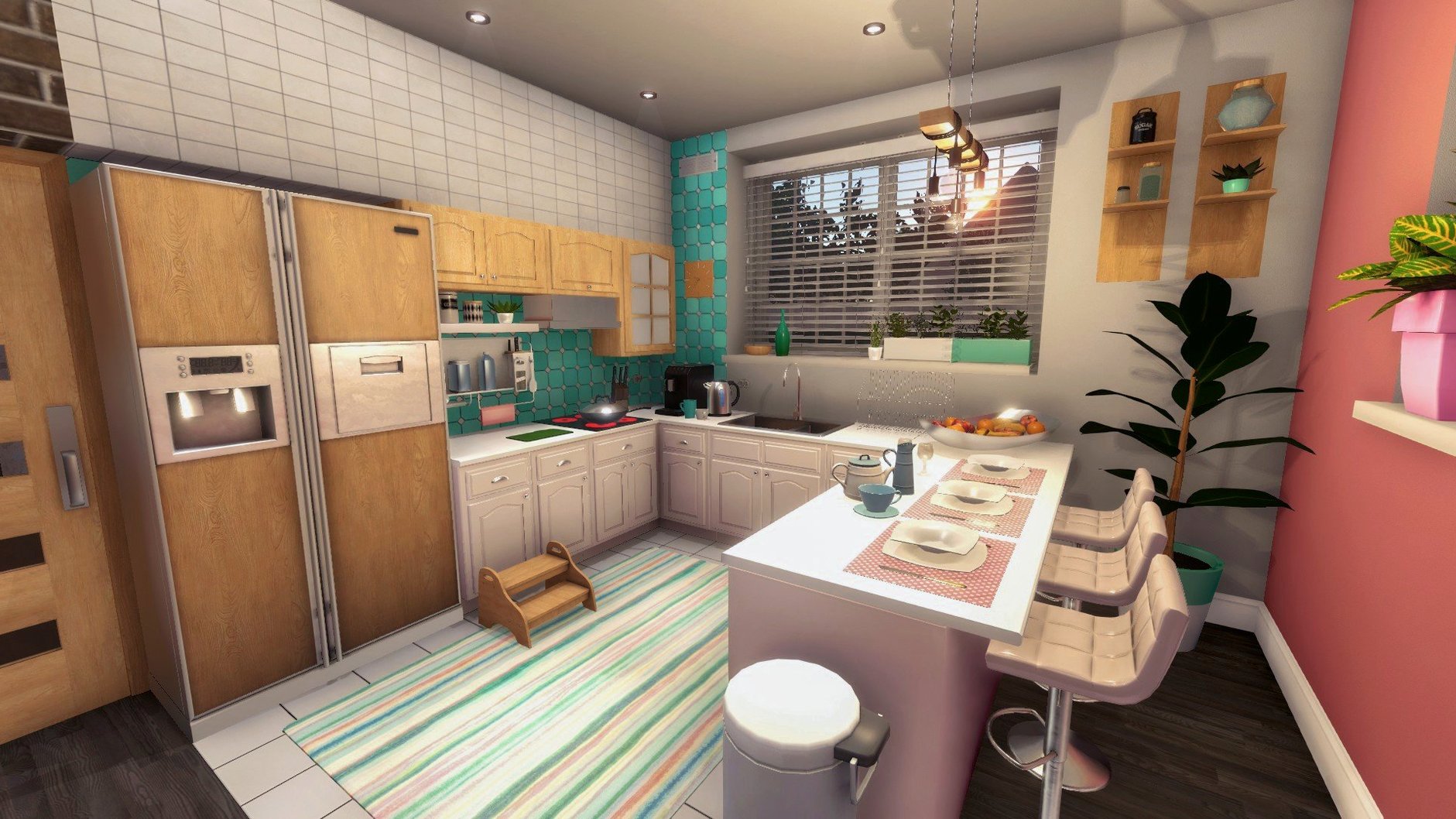
House Flipper runs natively on both Apple Silicon (ARM) and 64-bit Intel Macs. It was recently tested on macOS Tahoe with an M4 Mac mini, and it handles the renovation grind without a hiccup. The game drops you into a series of grimy houses with a simple brief: clean up, repair what's broken, and pick the right finishes to turn a profit. Every job earns cash you can pour back into your own first property, and the 3D walkthrough house plans let you inspect every corner before you swing a hammer.
The audio is a music-only accompaniment, so you get the clatter of your trowel against a steady lo-fi backdrop. Controls feel direct on a mouse and keyboard, and the whole loop—bid on a wreck, scrub it, stage it, sell it—stays light enough for short sessions. It's a tidy little sandbox if you enjoy seeing a floor plan transform one room at a time.
Most hiccups in House Flipper come down to two things: wonky object placement and skill trees you ignored early on. New players often find a radiator jammed halfway through a wall because they tried to place it too close to a window frame. The fix is simple — stand further back, aim the cursor at an open stretch of wall, and wait for the green outline. If it stays red, knock out any nearby debris first. Broken glass hides behind door frames more often than you'd think.
Another head-scratcher: you've scrubbed every surface and the job still shows 98% complete. Check the ceiling corners for cobwebs, and look behind radiators for trash the sweep missed. The minimap highlights dirt as faint smudges, but some spots only appear when you crouch. Tap C to duck and scan low angles. On Mac, the trackpad zoom sometimes fights the in-game camera — swapping to a mouse with a scroll wheel tightens things up immediately.
Performance-wise, the game runs smooth on both architectures, but if you see stutter on an older Intel Mac, drop shadow quality a notch in the settings. The paint roller and trowel rely on surface detection, so lag there feels worse than it really is. Switching the game to windowed mode and shrinking it slightly usually clears that up without touching the graphics preset.
House Flipper sits comfortably alongside other lightweight sims. It doesn't demand constant attention — you can pause mid-job with Esc and pick up later without losing progress on a room. That makes it easy to slot between Finder tasks or leave running behind a Safari window while you check a reference photo for colour schemes.
The game respects macOS Spaces and Mission Control. Flicking to another desktop mid-session doesn't glitch the cursor or lock the camera, which isn't always a given with Unity-based games. If you use Stage Manager, launch it in a dedicated space and it'll stay put. The tablet tool inside the game mirrors the kind of job-browsing you'd do on an iPad — swipe through listings, bookmark a few, and hop into one you can afford. It's a natural fit if you already juggle apps side by side.
Don't blow your first payouts on fancy furniture. Spend the first three or four jobs building your cleaning and painting skills. A faster mop and wider roller cut job times by nearly half, and that compounds fast when you're still learning the layouts. The hammer upgrades feel tempting, but you won't need to knock down walls until you own a property outright.
Early-game cash feels tight on purpose. Resist the urge to grab every job from the tablet — pick two or three you genuinely like the look of, complete them fully, and let the experience points build your efficiency. Rushing half-finished jobs leaves you with the same slow tools and a thinner wallet.
If you enjoy methodical, tactile tasks — scrubbing grout, aligning picture frames, picking tile patterns — this game clicks almost immediately. It rewards patience over speed, and the satisfaction loop is closer to power-washing a driveway than flipping a stock portfolio. Players who find Zen in tidying a messy desk or colour-sorting shelves will lose hours here happily.
Architecture hobbyists and anyone who's spent a weekend scrolling 3d walkthrough house plans will appreciate the before-and-after transformation. The demolition tool lets you reshape floor plans once you own a place, so you're not just decorating — you're rethinking layouts. It's a softer intro to spatial design than full CAD software, but the principles carry over.
Mac users on M-series chips get the best experience simply because the game loads fast and stays cool. It's an easy pick for a MacBook Air owner who wants a simulation that won't spin up the fans. Even on integrated graphics, the clean, flat-shaded art style holds up at native resolution without turning your lap into a radiator.
Sim veterans who've exhausted The Sims build mode or dabbled with renovation mods will find the tool progression familiar and the lack of life-sim overhead refreshing. There's no hunger bar, no social meter — just you, a sledgehammer, and a stack of wallpaper samples. It strips the genre down to its most meditative core.
Yes, version 1.26252 includes native support for ARM architecture, so it runs on M1, M2, M3, and M4 Macs without Rosetta.














Chat 0
Hop in or make an account to join the chat.
Quiet in here so far. If you have used this build, tell me what the install actually did.