
 Roots of Pacha
 Sanatorium - A Mental Asylum Simulator
 Risen
Risen Rise of the Tomb Raider
 RimWorld
 Revhead
 Resident Evil Village
 Rebel Inc: Escalation


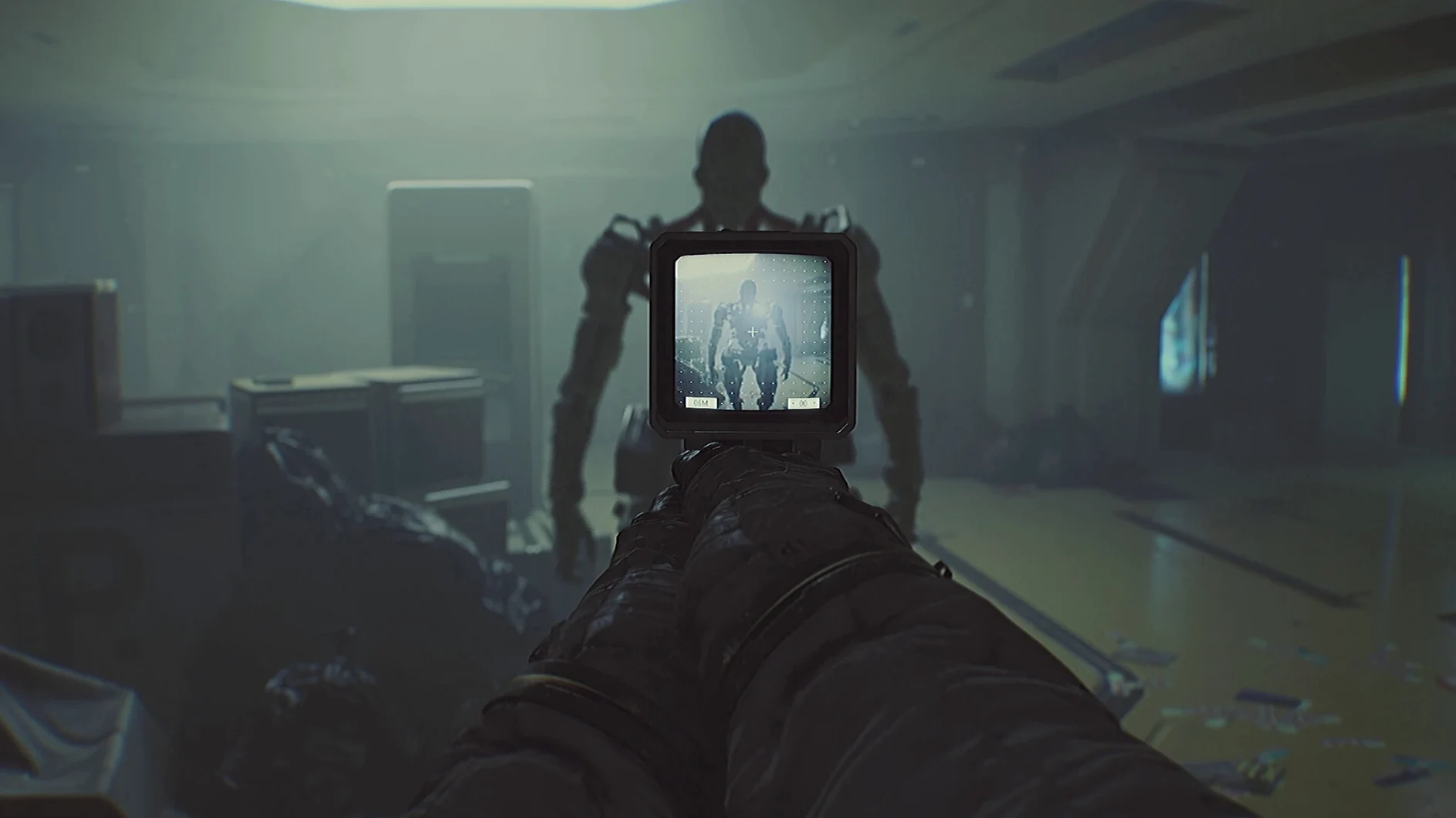
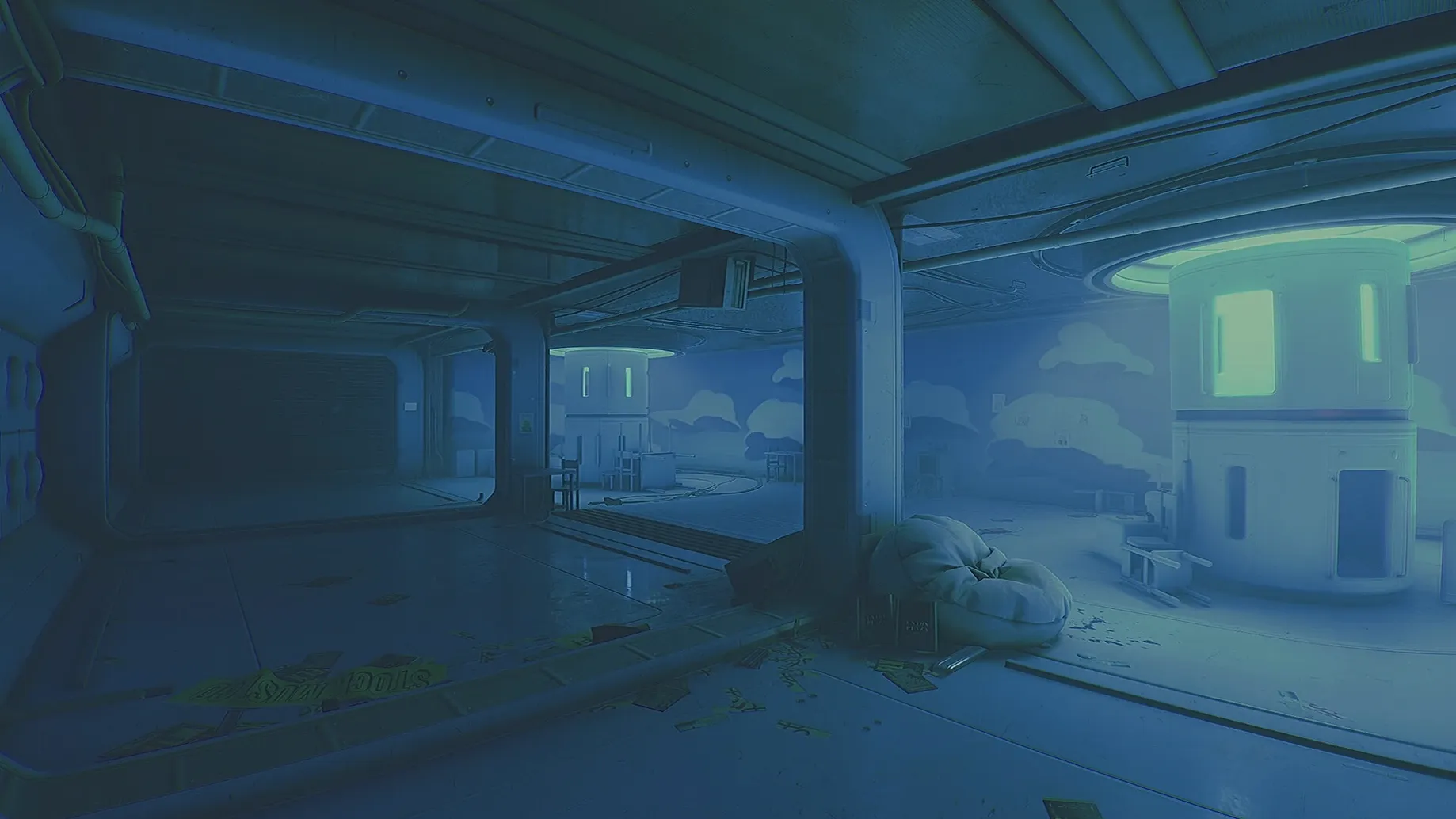
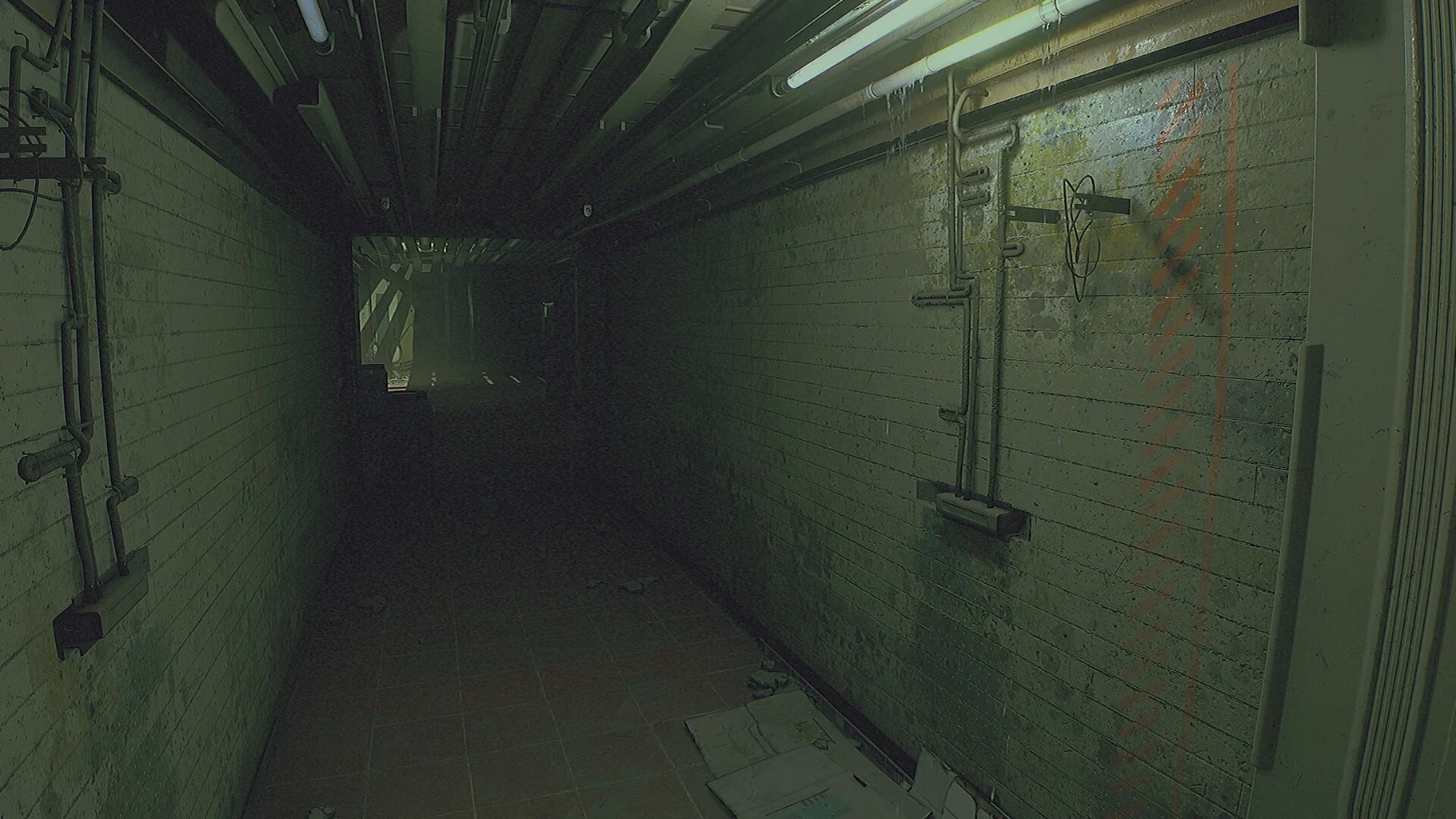

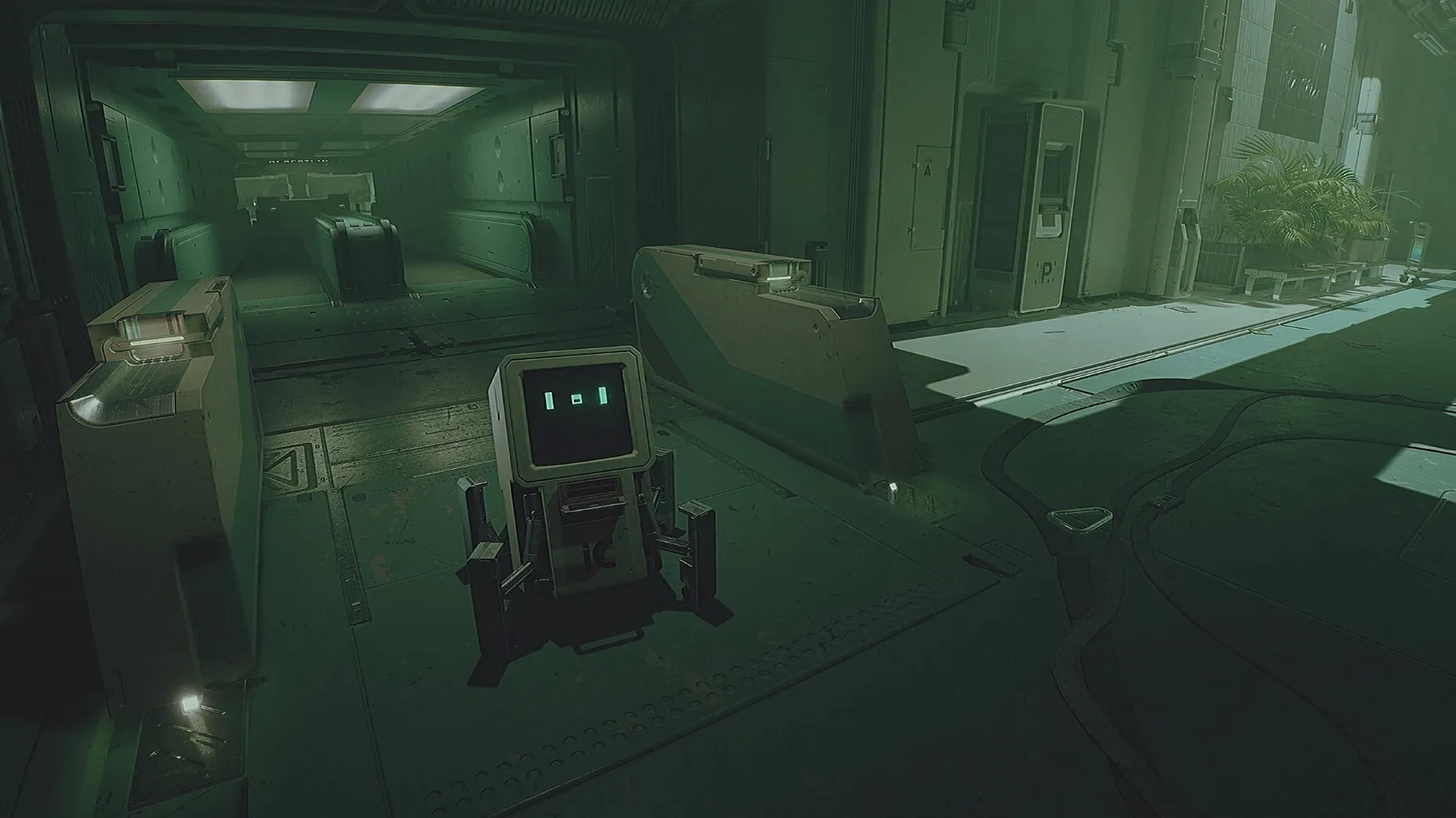
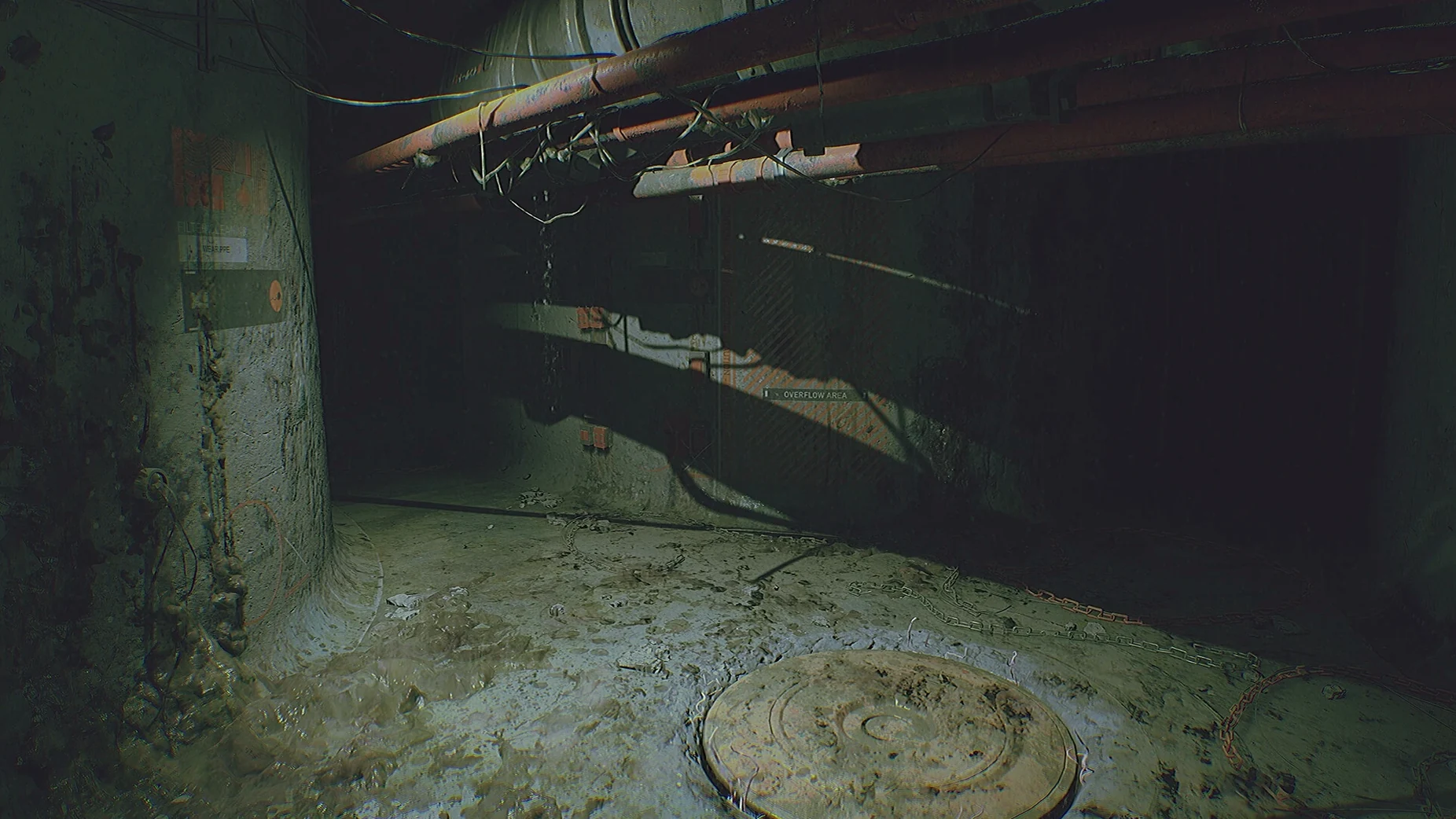
This one is for the quiet observer. Routine suits players who enjoy slow-burn dread over jump scares, and who don't mind losing progress. If you need a map marker or a checkpoint safety net, you'll struggle here.
Exploration and observation drive the whole experience. The interface stays minimal, so you read the environment instead of a HUD. Detailed off-screen audio tells you what's lurking before you see it.
There are no checkpoints. A bad decision erases your run. That pressure shapes every corridor turn, and it's why the tension holds.
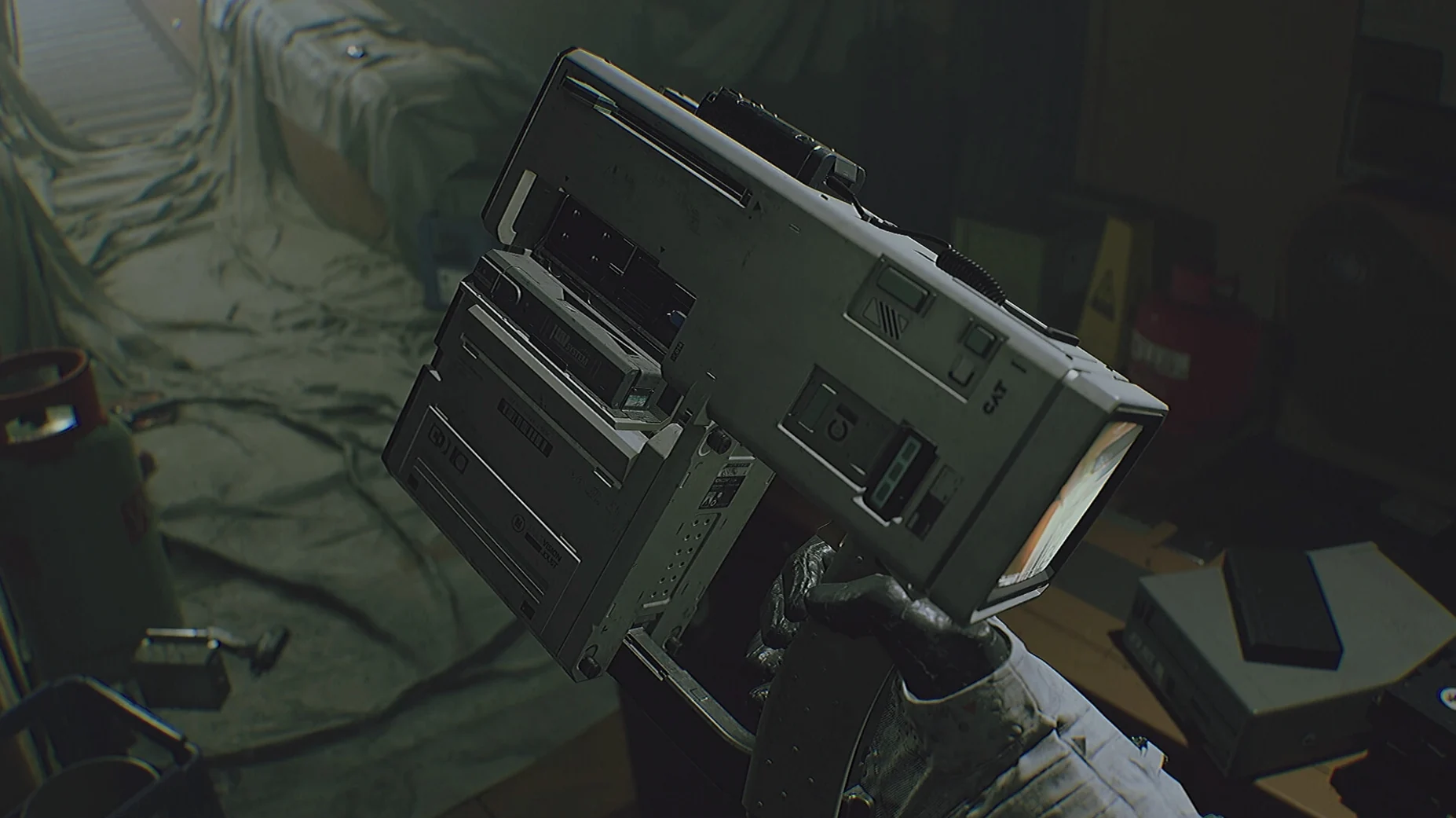
Full body control and the Cosmonaut Assistance Tool keep your hands visible and weight present. It feels deliberate, not twitchy.
People who loved the quiet stretches in Alien: Isolation more than the set pieces. Routine rewards patience and punishes rushing. You'll get along with it if you take notes on paper, enjoy piecing together environmental clues and feel a twinge of excitement when a door doesn't open the first time.
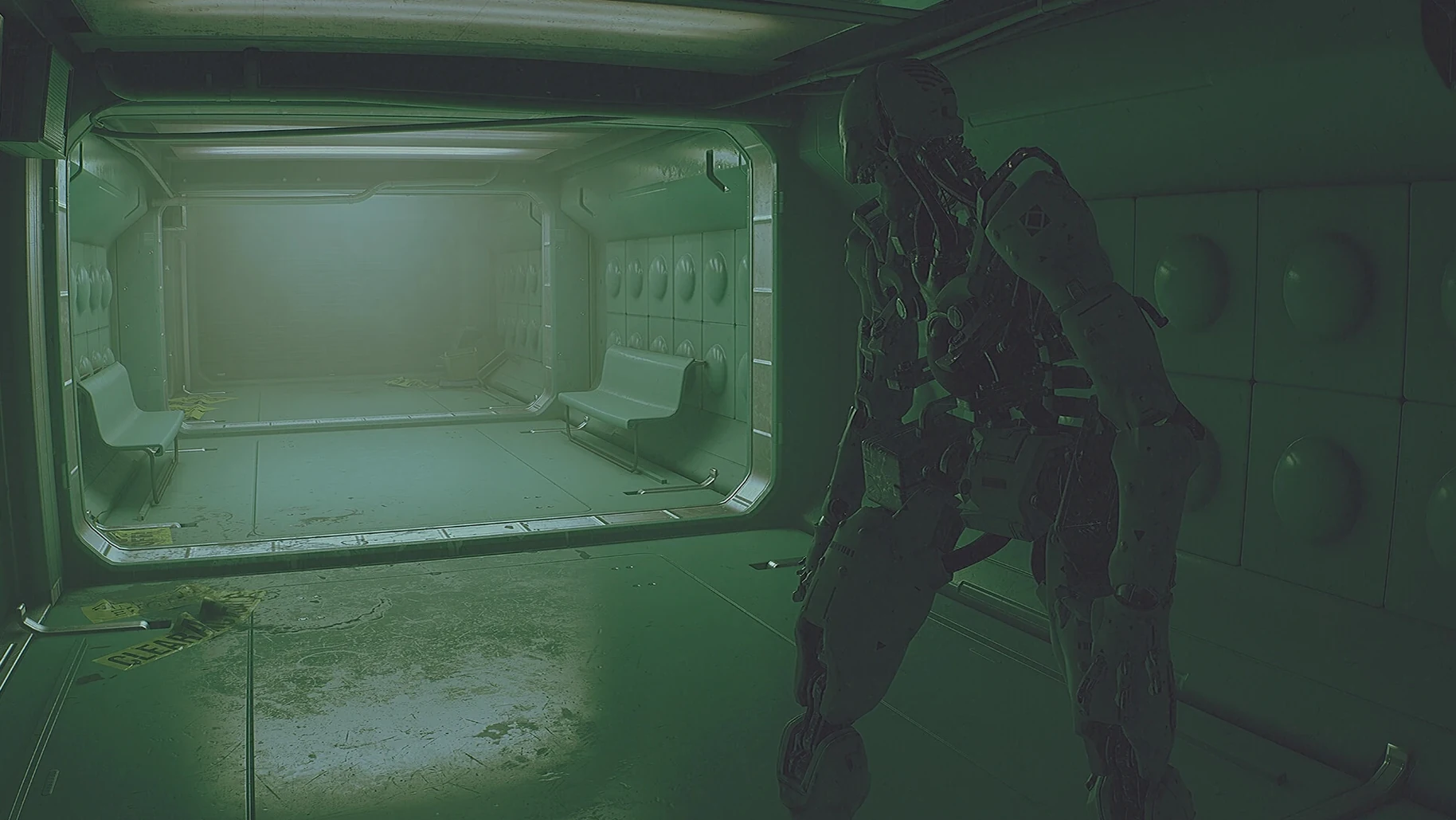
It clicks for sci-fi fans raised on 1970s and 80s concept art — the lunar base feels like a cassette-future museum piece, all chunky terminals and analogue switches. If you're the type who stops to read every faded log entry, this is your kind of place.
Headphones on, lights off — that's the baseline. The off-screen audio design is so precise that stereo speakers simply won't cut it. You need to hear which corridor that hum came from.
Spend your first session just learning the Cosmonaut Assistance Tool. It accesses terminals, tracks your bearings and stores clues, but it won't babysit you. Practise switching between the tool and full body control until it feels second nature. Panicked fumbling is how most early runs end.
Don't expect to finish a run on day one. Use early attempts to map a mental layout of the base and learn the enemy's patrol rhythms. The game strips away checkpoints, so your real progress is what you remember, not what the screen tells you.
The December 4, 2025 launch landed the full routine mac full version on Apple Silicon, tested cleanly on macOS Tahoe with an M4 Mac mini. Early builds ran through compatibility layers; this one is packaged for ARM, so frame pacing and audio latency feel tighter out of the box.
Nine interface languages shipped together — English, Russian, German, Spanish, Simplified Chinese, Korean, Portuguese, French and Japanese — while voice lines stayed in English. That keeps the original performance intact across localisations, which matters when every grunt and off-mic footstep feeds your situational awareness.
Good to know: tested on macOS Tahoe with a 2024 Mac mini M4, so Apple Silicon hardware handles it properly.













Chat 0
Hop in or make an account to join the chat.
Quiet in here so far. If you have used this build, tell me what the install actually did.