
 Two Point Museum
 Total War: WARHAMMER
 Total War: ATTILA
 Universe Sandbox
 Tiny Glade
 Victoria
 Timberborn

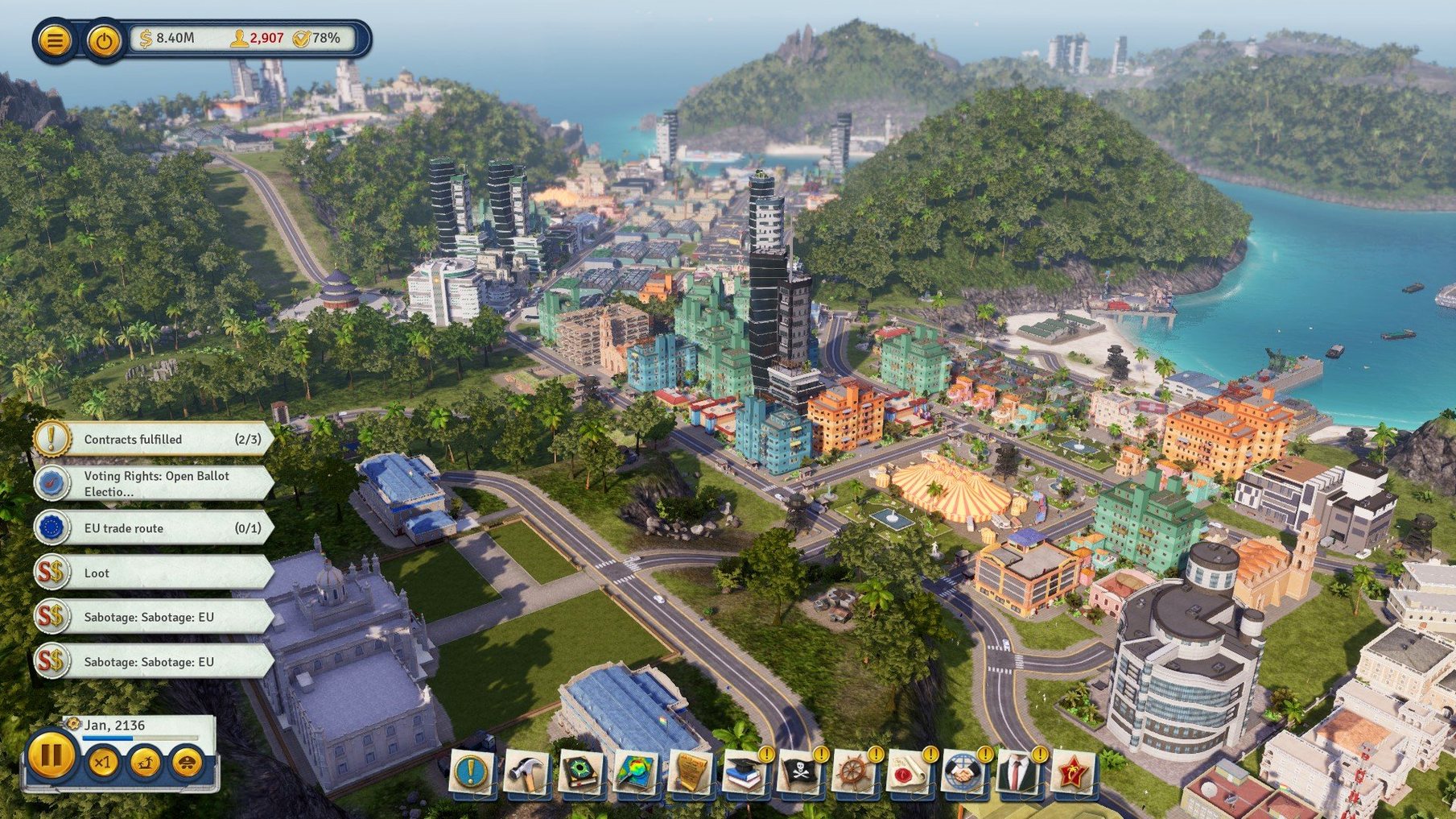
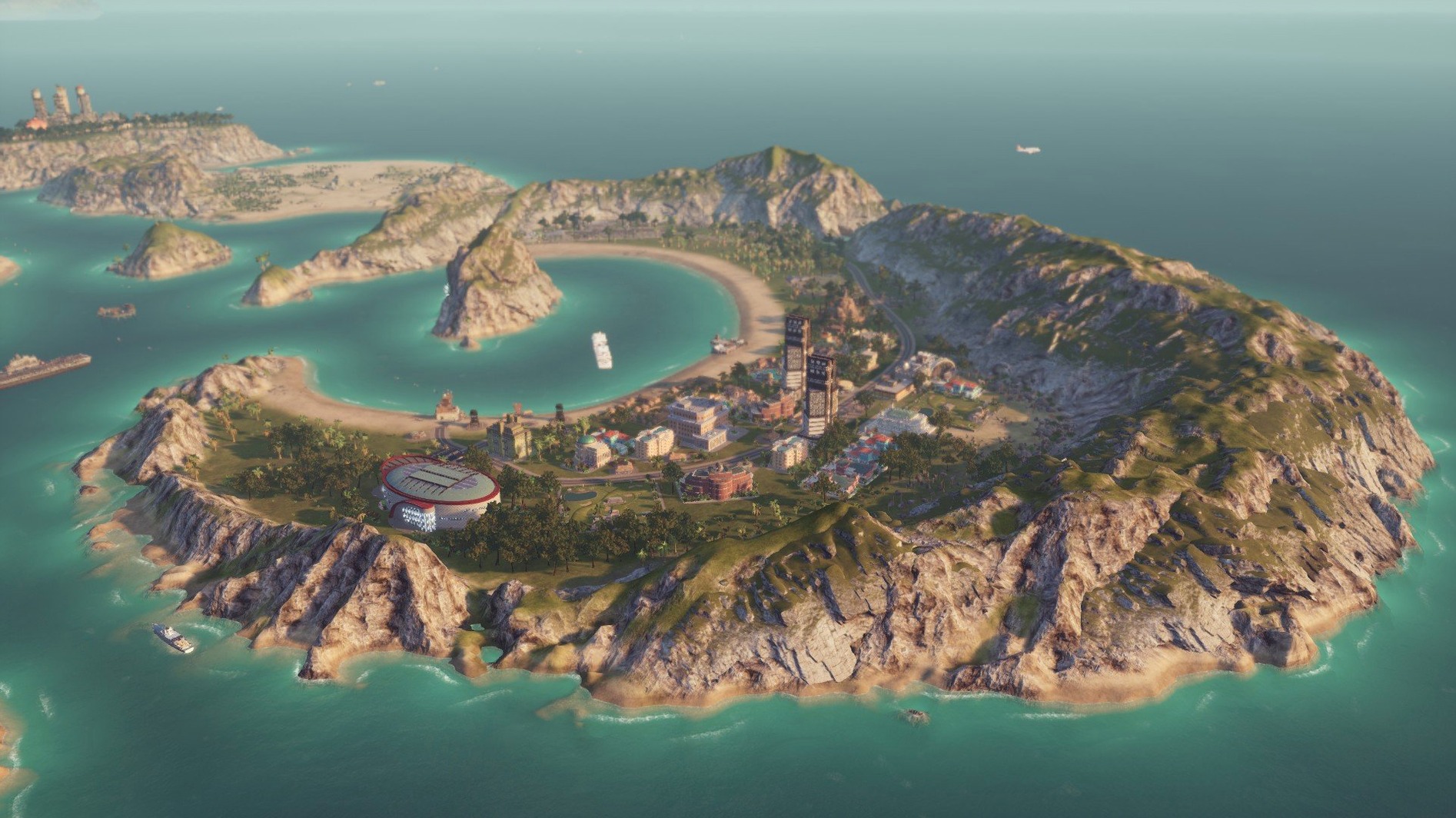
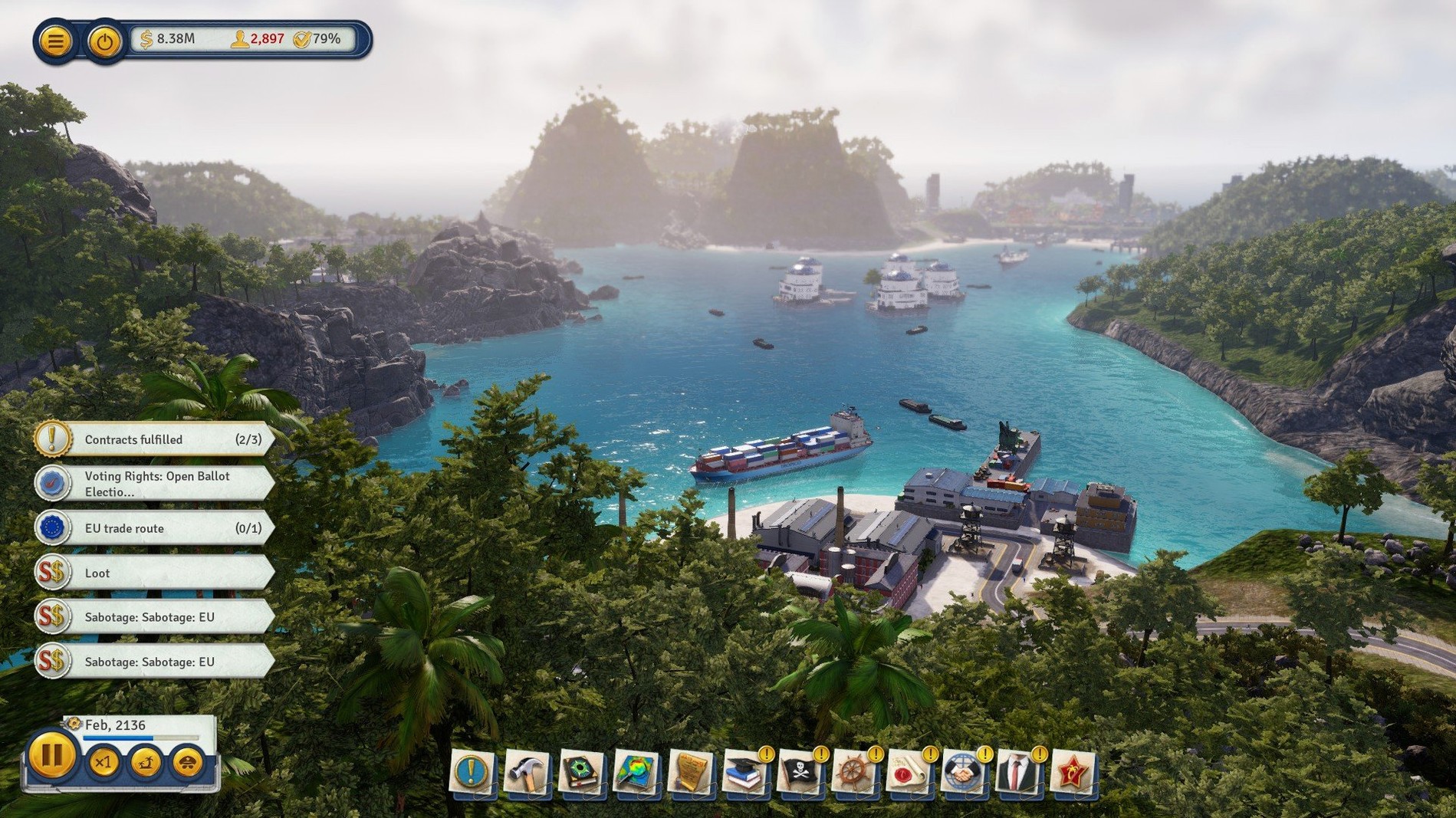
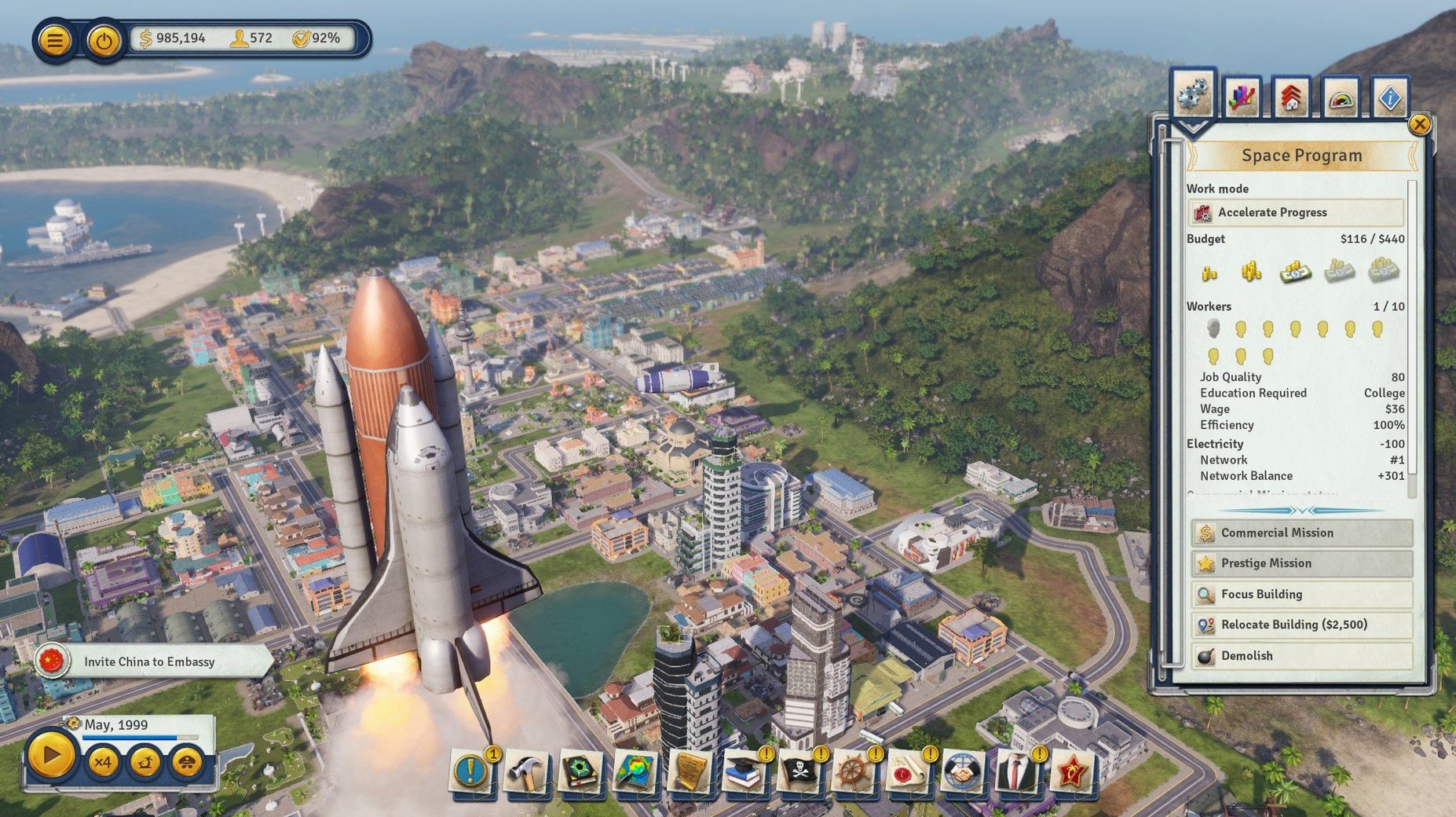
Sixteen gigabytes of free space — that's your first land grab before you even break ground on your island. Tropico hands you a chain of tropical islands and a desk full of problems: power grids, taxi fleets, cable-car routes and a population that expects you to keep the lights on.
| Architecture | Languages |
|---|---|
| Intel 64-bit | English, Russian, German, Spanish, Italian, French |
The economic layer pushes you to balance budgets while laying bridges between islands and hardening your defences. Infrastructure isn't just roads; it's the difference between a thriving port and a restless electorate. Every cable car and taxi route shapes how quickly goods and people move. Strengthen the wrong thing too early and the treasury stings. Leave it too late and you'll hear about it. The campaign gives you a full suite of construction and management tools without burying you in menus — pick a spot, drop a building, tweak a route.
Picture a player who's sunk hours into city builders but never touched the Tropico series. They open a sandbox island, pick a modest starting budget and immediately lay out a pretty coastal road with colourful housing blocks. Looks good. Then the docks open and three cargo ships arrive at once. The single-lane road clogs. Teamsters get stuck behind a tourist taxi. The power plant on the far ridge runs out of coal because the truck spent twenty minutes in a loop around the marketplace.
This player isn't failing at politics or economics — they're learning that Tropico treats transport like a circulatory system. Every bridge, roundabout and cable-car station either pumps goods through the economy or pinches it off. Once they replace that coastal road with a dedicated freight lane and add a second garage near the docks, the island breathes again. It's the moment a pretty layout becomes a working state.
New players often treat every island as one big suburb. They plop housing, factories and entertainment right next to each other and wonder why traffic clots. Distance matters, but so does flow. A farm sitting directly on the main road will force every truck to crawl behind a tractor. Put your agricultural district on a side loop with its own garage and you free the arterial route for emergency services and imports.
Another classic slip: ignoring the terrain when placing cable cars. A station on a steep slope looks dramatic but forces pedestrians into a long walk from the nearest housing block. Stations work best when they land right in the middle of a dense cluster — workers' housing at the bottom, tourist hotels at the top. And bridges shouldn't be vanity projects. A second bridge that only shaves two seconds off a journey can cost more than a whole new power plant if you're still paying off the first one.
Beginners also hoard their military budget until rebels show up — then panic-build guard towers next to the palace. Defence works better as a quiet, steady spend: a checkpoint near the port and a barracks on the outer island early, long before the first threat appears. Good infrastructure buys you time; bad defence planning buys you a coup.
Good to know: the game runs surprisingly cool on an M1 MacBook Air under Rosetta, but disable the depth-of-field effect in the graphics tab if the fan kicks up during a stormy night scene — it's a single toggle that pulls a lot of GPU weight.











Chat 0
Hop in or make an account to join the chat.
Quiet in here so far. If you have used this build, tell me what the install actually did.