
 Escape from Duckov
 Euro Truck Simulator 2
 Europa Universalis IV
 Fabled Lands
 Factorio
 Factory Town
 Farm Together 2
 Farming Simulator 25


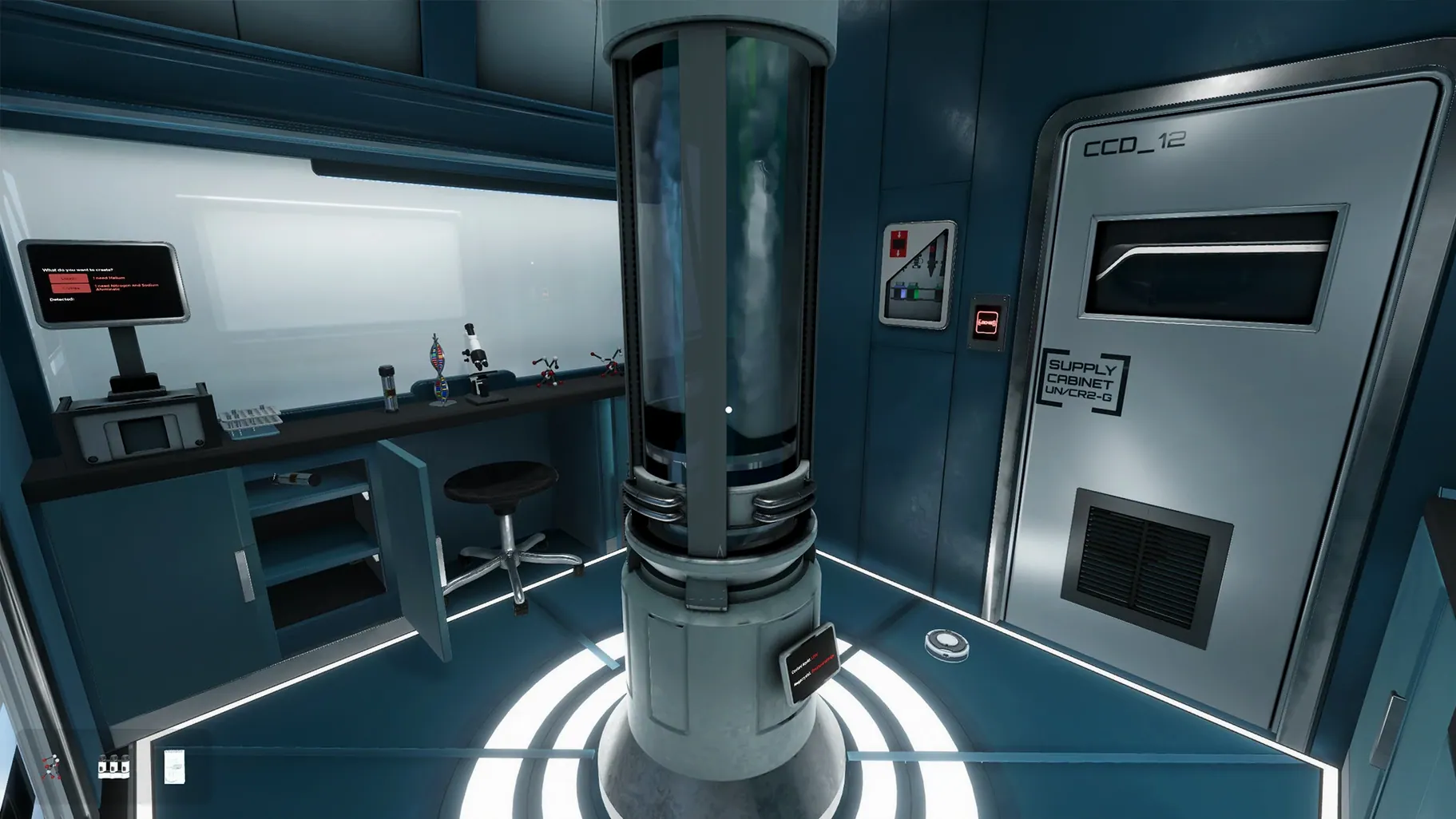
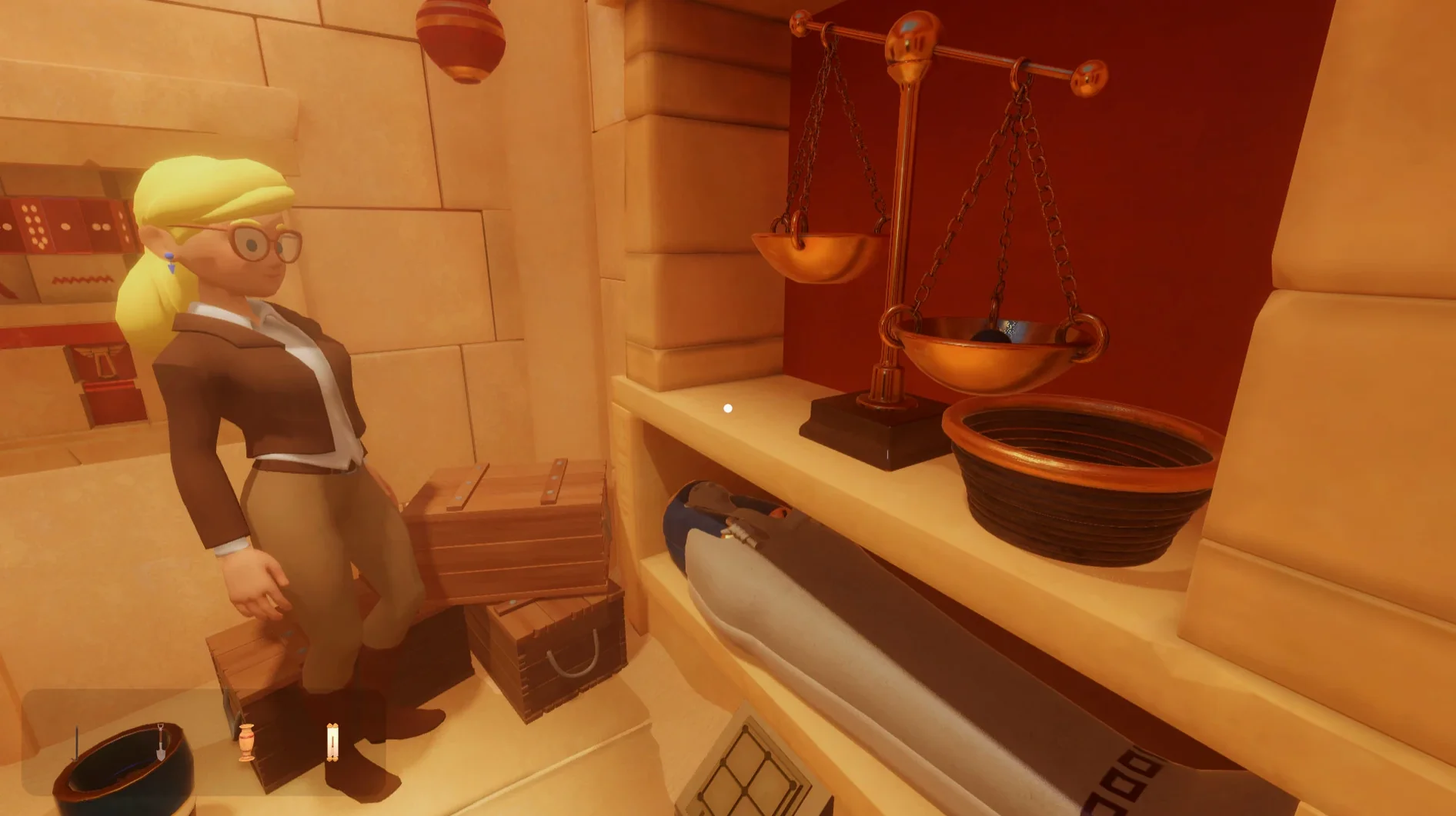
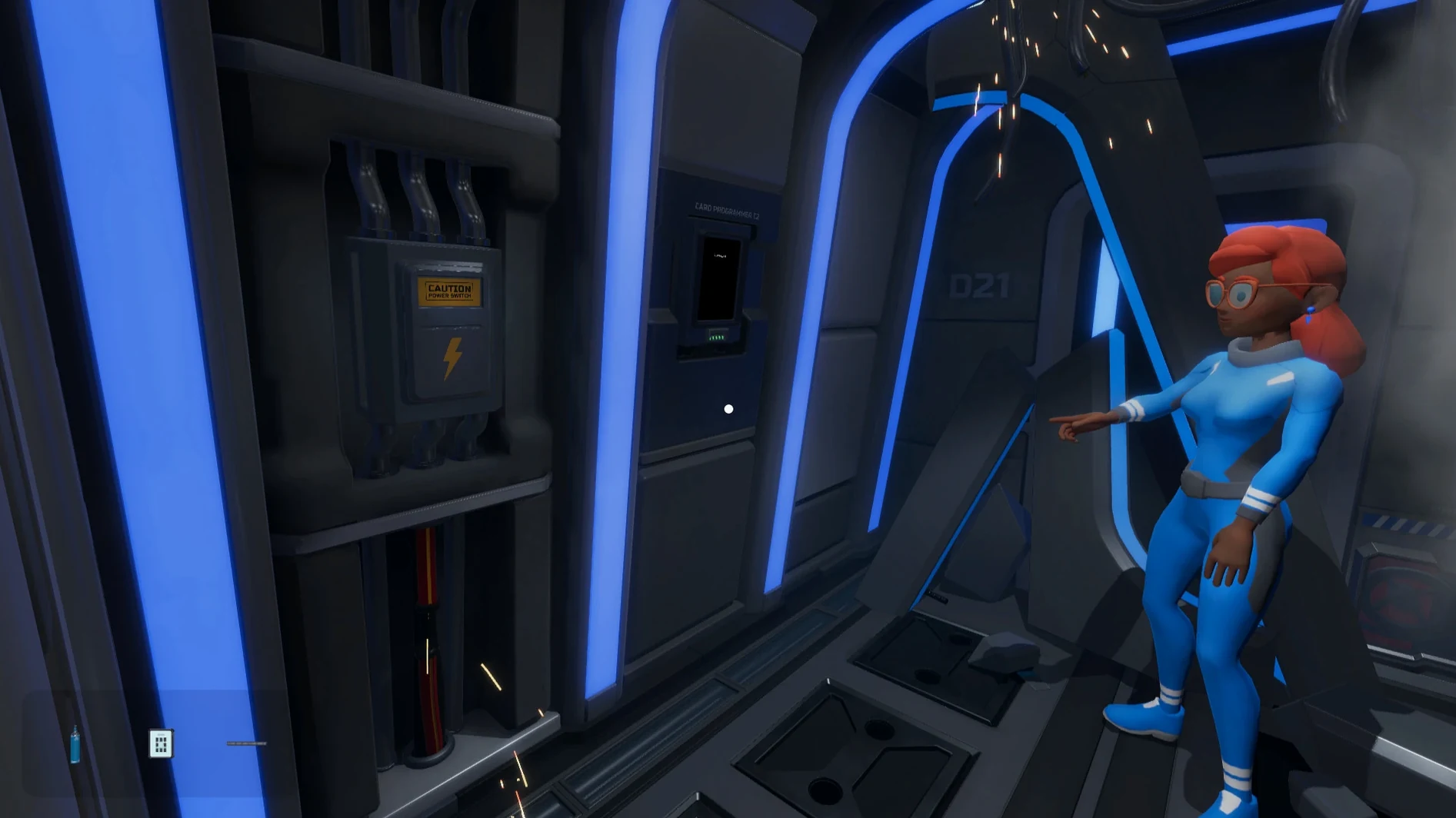
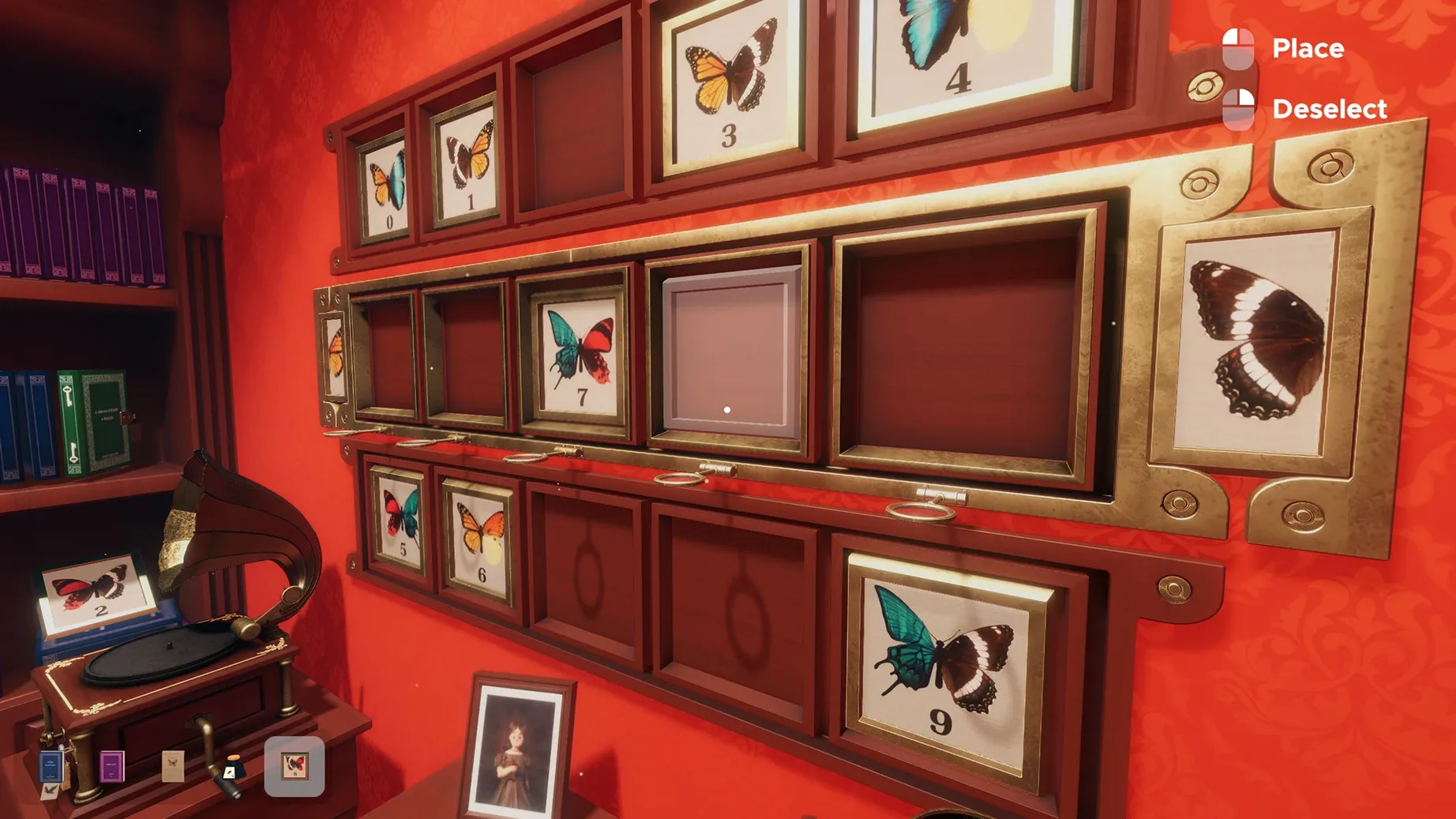
Escape Simulator runs on any Mac with an Intel or Apple Silicon chip, as long as you're on macOS High Sierra 10.13 or later. Metal-capable graphics and 4 GB of RAM keep things smooth, and you'll want a broadband connection for the co-op rooms.
A first-person escape-room puzzler built for solo play or online co-op with friends. You pick up objects, examine clues, and solve locks across more than 20 finely detailed rooms.
Point-and-click works well with a trackpad or mouse, and first-person movement feels responsive. The objects are highly interactive — you can spin them around, toss them aside, or stack them up while you figure out a combination.
Yes. The built-in room editor lets you design custom escape rooms from scratch, and you can play through community creations once you've finished the main set.
Version 38287r tightened object physics across all rooms. Items you toss no longer clip through tables mid-puzzle, which used to bury a key or a torn note out of reach. Drawer handles and cupboard doors respond with a quicker animation, so repeated searches feel less sluggish. The undo stack in the level editor also got deeper — if you accidentally delete a trigger while laying out your own room, you can step back further without losing half an evening’s work.
Multiplayer sessions now hold lock-step better on average broadband. One late-joining friend won't un-solve a puzzle you already cracked, a bug that previously confused groups mid-game. Community room thumbnails load in smaller batches too, which keeps the browse screen snappy even with over 2,000 rooms sitting in the list.
Hoarding every object is the big one. New players fill their inventory slots with loose screws, blank paper and smashed pottery, then hit a locked box and can't pick up the key inside. You only have a handful of slots — drop what you've already used.
Another slip is ignoring the height of rooms. Clues sit on high shelves, under rugs and behind tilted paintings. If a puzzle feels impossible, tilt your view up and crouch low in the space before assuming you need a hint.
Co-op newcomers often split up too early. Many room chains have dependencies — a found code in the study might open a drawer in the kitchen two players away. Call out what you touch, even if it feels small.
In the editor, beginners tend to place a single lock and test it in isolation, then get stuck when two objects need to be activated at the same time. Build a quick two-step chain before you playtest, or the room will feel broken when it actually just needs sequencing.
All clues and instructions appear as on-screen text. The audio is music only, so there's no dialogue to follow.
The interface is available in English, German, Spanish, Italian, French, Portuguese, Turkish, Japanese, Korean, Traditional Chinese, and Simplified Chinese.













Chat 0
Hop in or make an account to join the chat.
Quiet in here so far. If you have used this build, tell me what the install actually did.