
 Stoneshard
 Stellaris
 Supermarket Simulator
 Stardew Valley
 Spaceflight Simulator
 South Park: Snow Day!
 Soulstone Survivors
 Sons Of The Forest


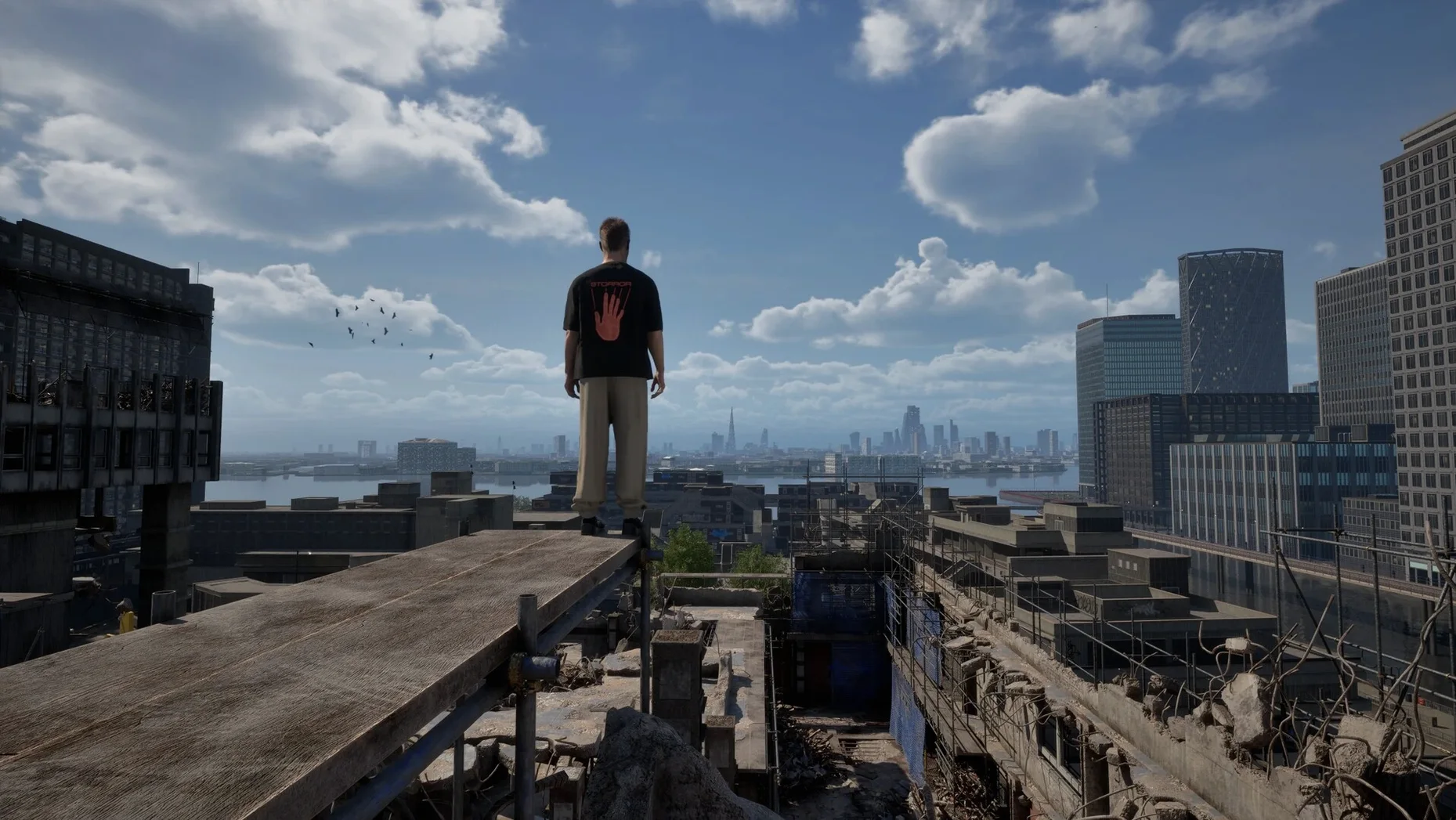
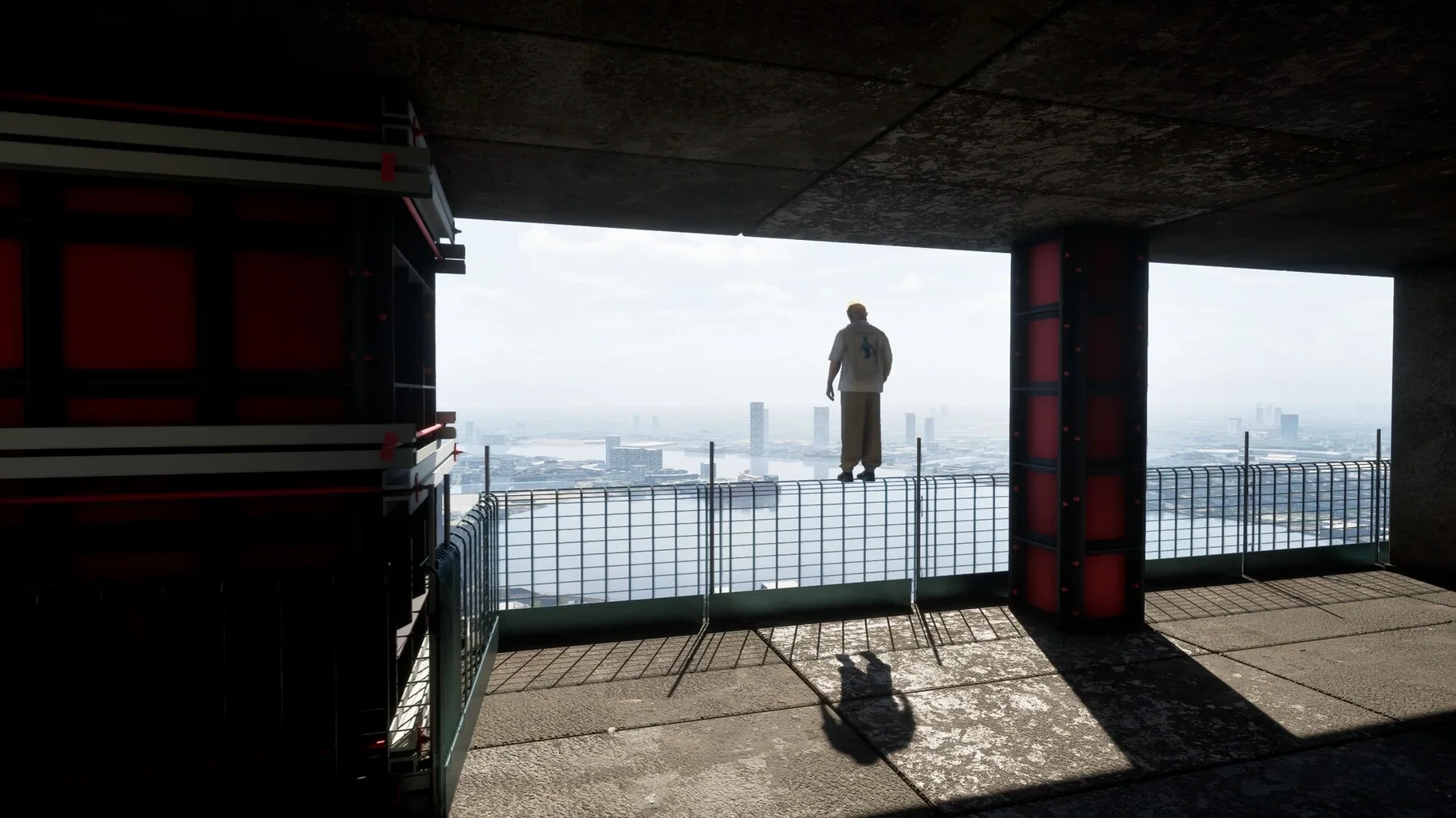
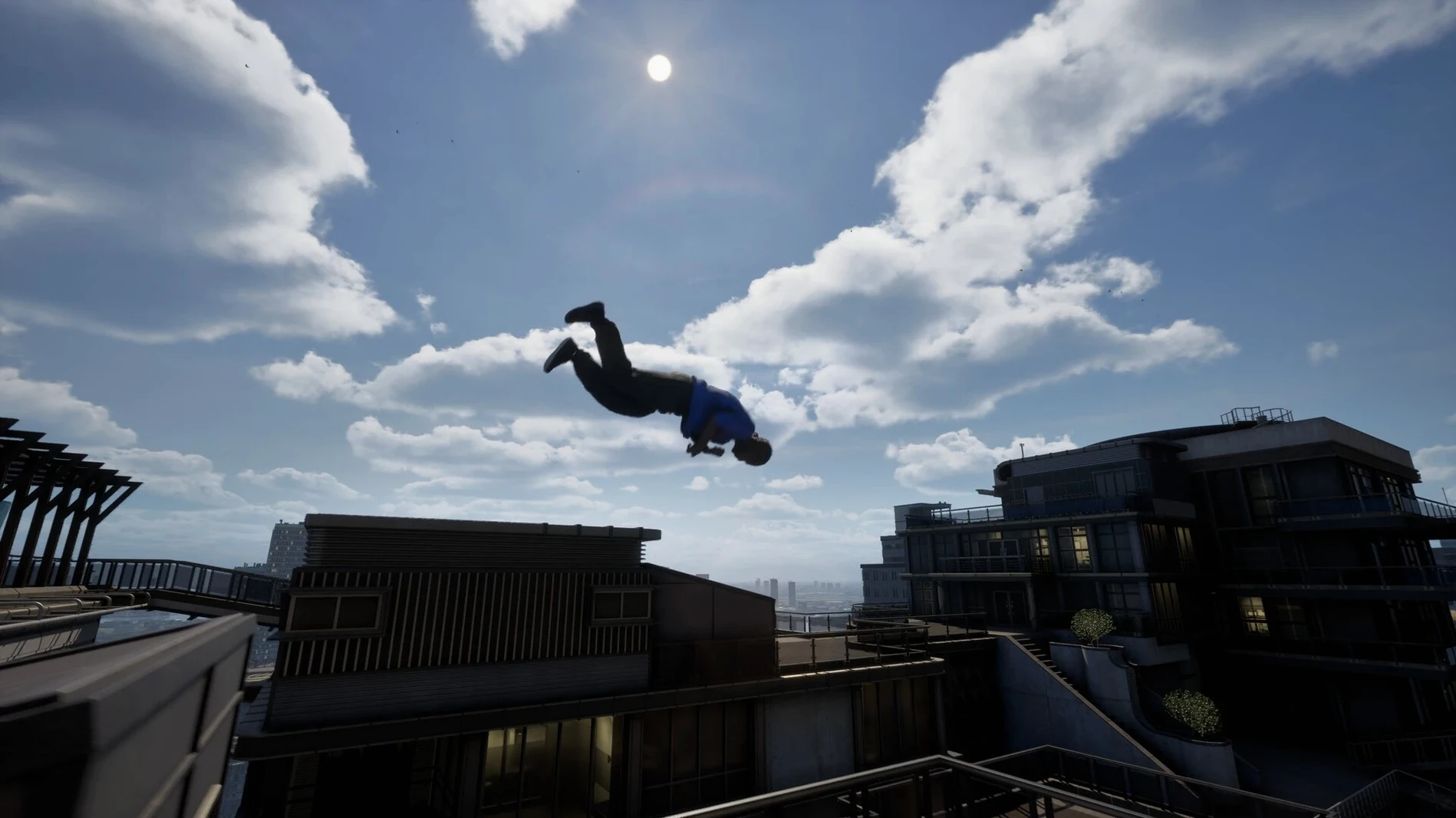
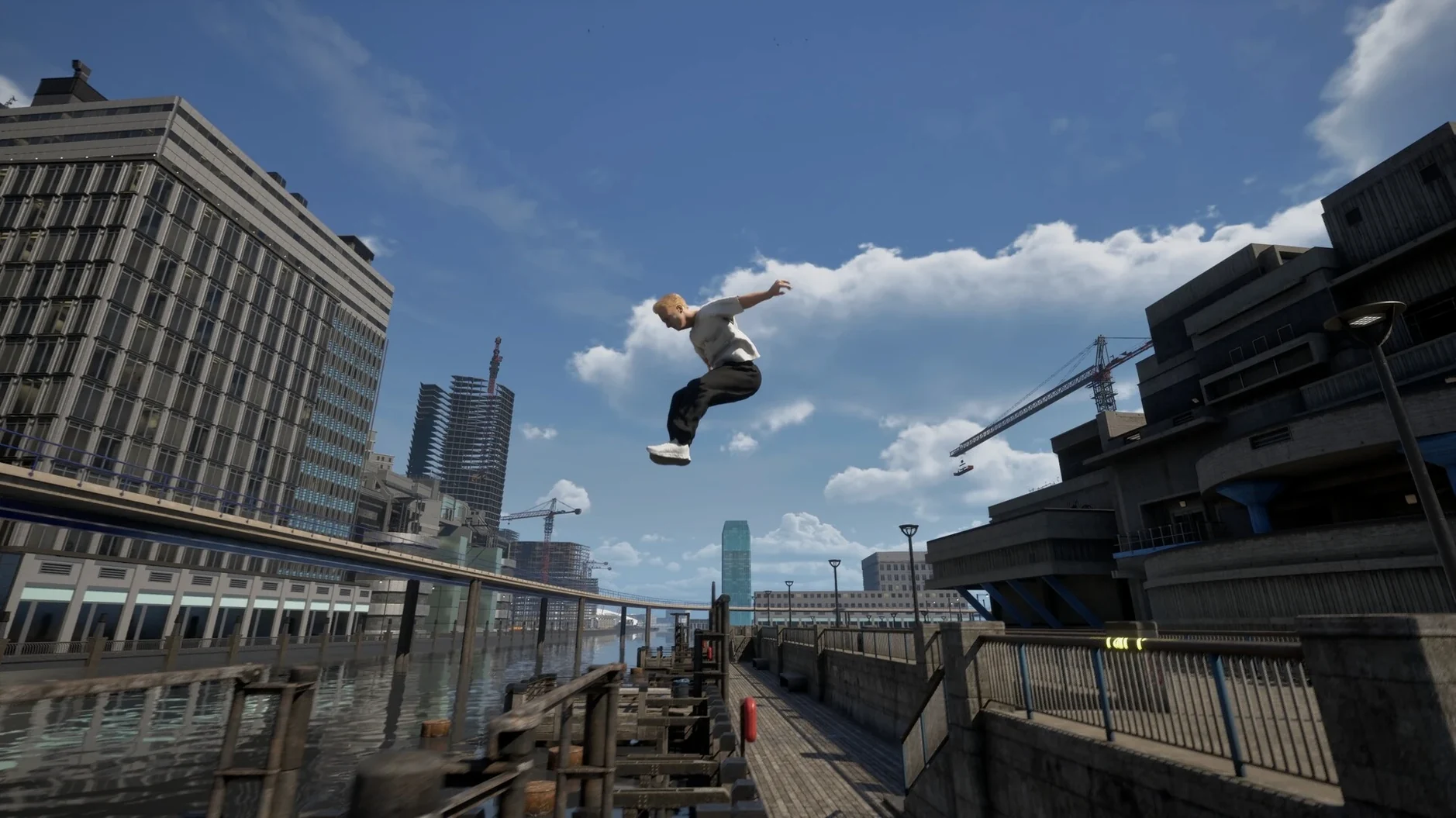
Hitting a Kong vault never felt this real. STORROR Parkour Pro drops you straight into the Isle of Dogs, where hundreds of motion-captured animations turn a simple jump into a proper flow state. It's an Early Access build, so the edges are still being sanded, but the core movement already clicks on Apple Silicon.
On a modern M-series chip, the input lag is negligible — jump timing feels sharp. The open world streams smoothly across roof gaps and back alleys, even when a helicopter is tracking your line. Keep expectations in check for an Early Access title, but the framerate stays stable during heavy climbs.
Give yourself three sessions before judging the controls. The first hour can feel twitchy because the physics layer sits on top of mocap data — your brain needs time to stop fighting the momentum.
A few things that help early on:
This isn't a casual platformer. The people who stick around tend to fall into a few camps.
Movement-game veterans coming from titles built on momentum — the ones who already understand that speed comes from chaining, not sprinting — pick it up within an hour. The physics layer rewards them immediately.
Parkour watchers and athletes gravitate toward the Line Challenges. The mocap fidelity matters to them; they notice when a stride pattern looks right. Several play sessions turn into extended freeroam runs where the goal isn't completing anything, just moving cleanly across a neighbourhood.
Co-op duos get the most mileage from Chase and Escape. The mode doesn't need a full lobby to shine — two people on a call, one setting a route and the other shadowing it, creates a natural rhythm that solo play can't replicate.
If you want a narrative or unlock treadmills, this build won't feed that yet. The Early Access structure assumes you're here for the movement itself.
You launch the game around nine in the evening. The Isle of Dogs loads grey and quiet — the lighting has that flat London dusk feel. You drop into a Speed Challenge near the water because it starts fast and doesn't punish mistakes with long climb-backs.
First run is messy. A mistimed vault sends you skidding into a wall. The second clears it with two seconds to spare. By the fourth, you're not even looking at the timer — your hands have found the rhythm, and the route feels shorter than it did ten minutes ago.
A friend joins for Chase and Escape. You set the route through the crane yard, weaving between moving machinery. They're better at wall runs; you're quicker through low gaps. The session turns into a quiet competition where neither of you admits you're trying to outstyle the other. Half an hour passes without anyone checking a phone.
You finish solo with the first Storror Mission. It's brief but scripted tighter than the open challenges, and the helicopter sequence asks you to commit to moves under pressure. When you close the game, your forearms are tense — the good kind, the kind that means you were gripping every landing.
Good to know: the physics model treats partial inputs seriously. If you release a key too early on a vault, the character stumbles. Commit fully to each button press, especially during rail-to-rail transitions.
Yes, the build is for ARM architecture, so it runs natively on M-series Macs without Rosetta.
Yes, the Chase and Escape mode lets you play with friends across London's urban environment.












Chat 0
Hop in or make an account to join the chat.
Quiet in here so far. If you have used this build, tell me what the install actually did.