
 Risen
 Rise of the Tomb Raider
 Roots of Pacha
 RimWorld
 Routine
 Sally Face
 Revhead
 Sanatorium - A Mental Asylum Simulator


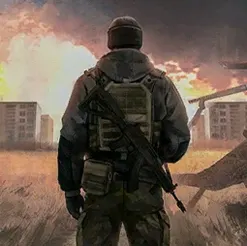
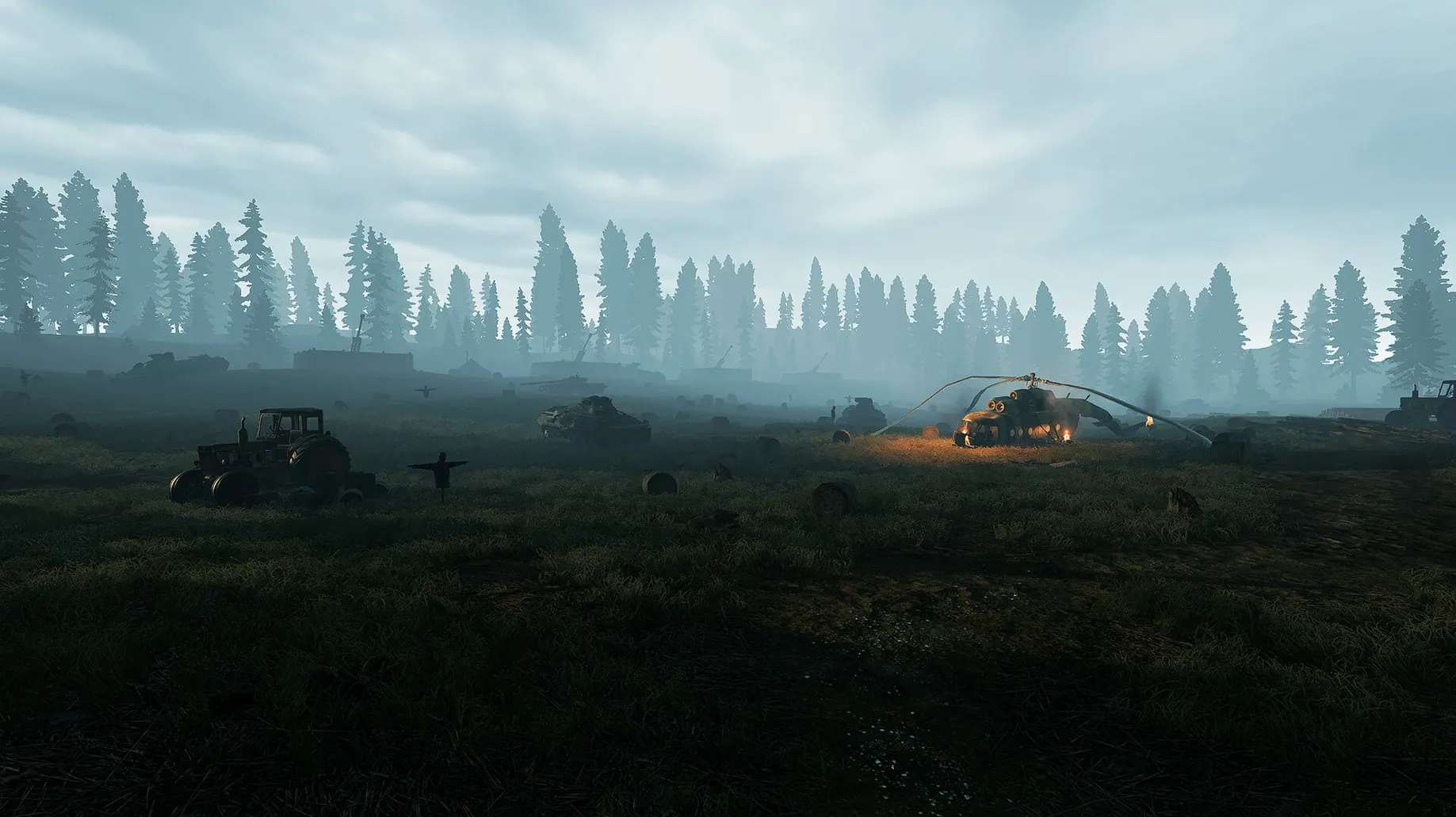
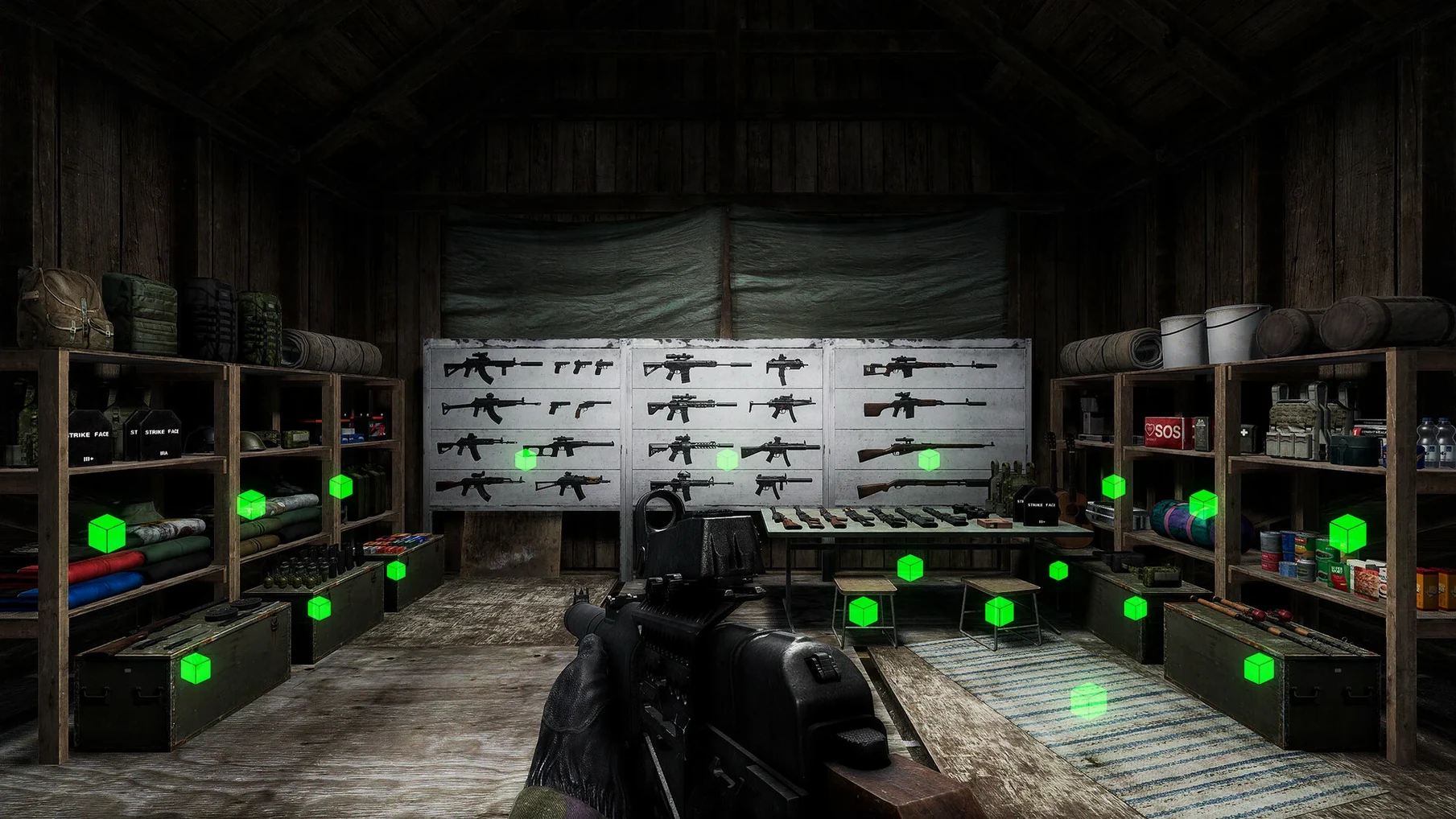
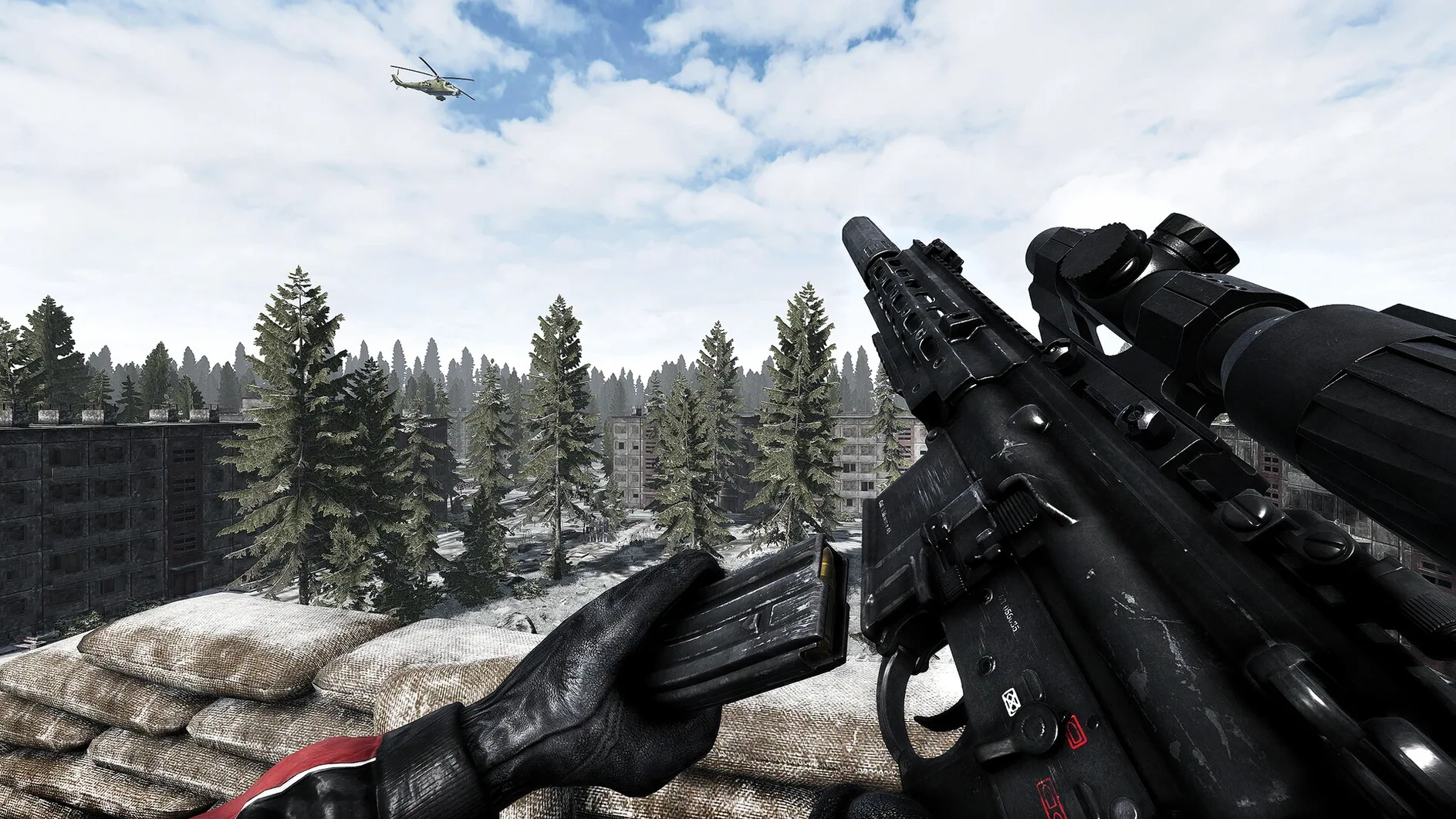
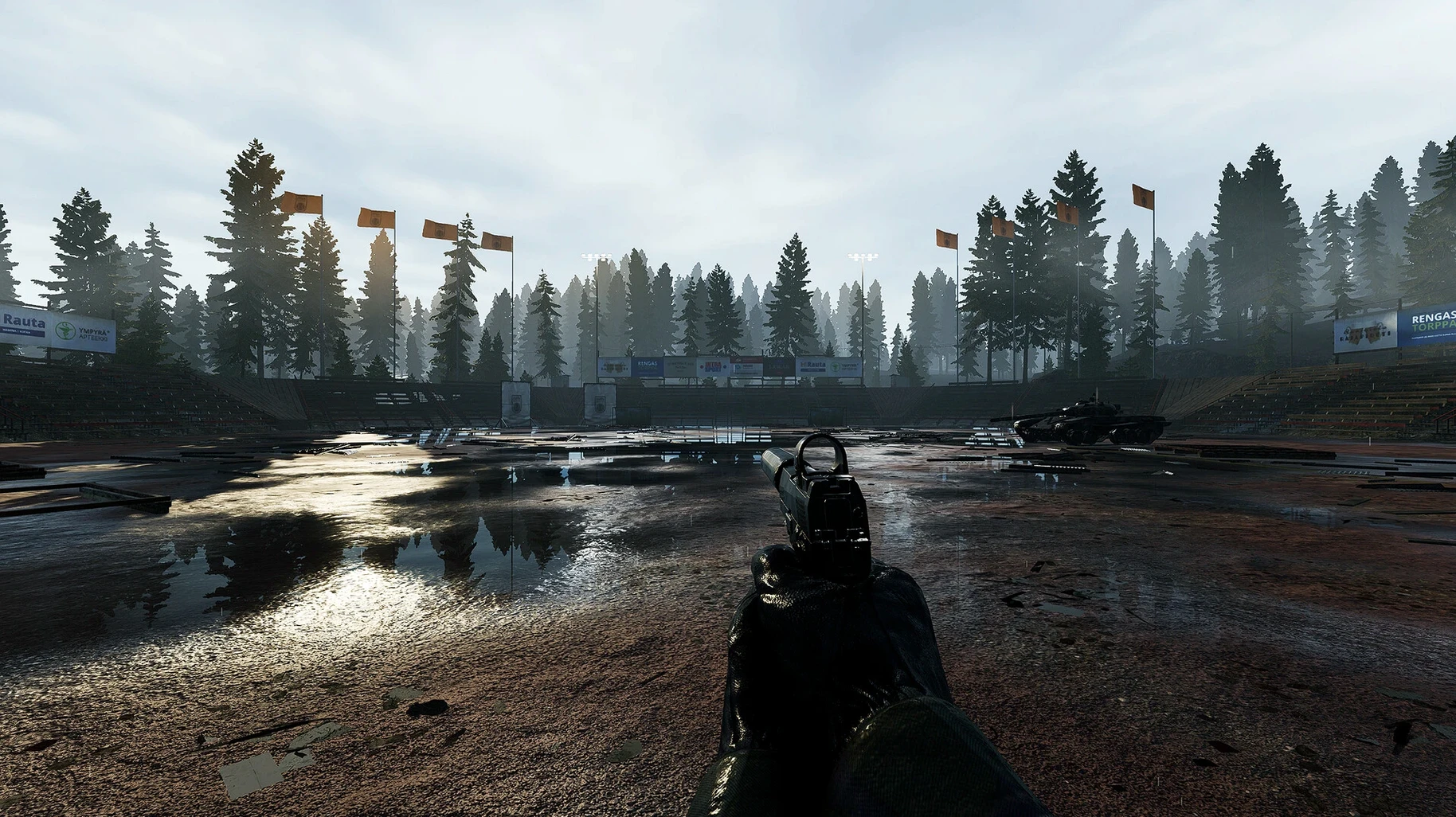
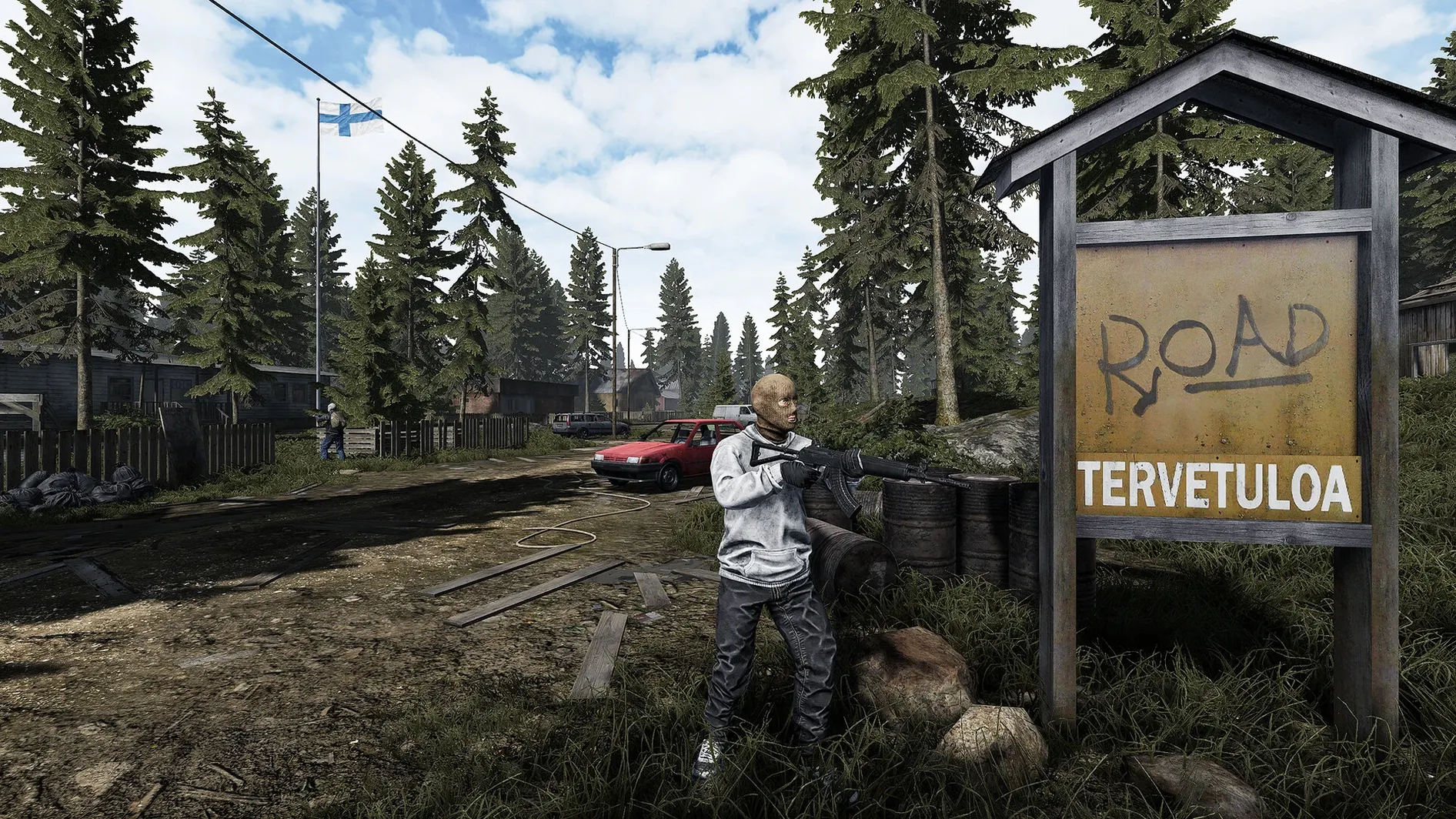
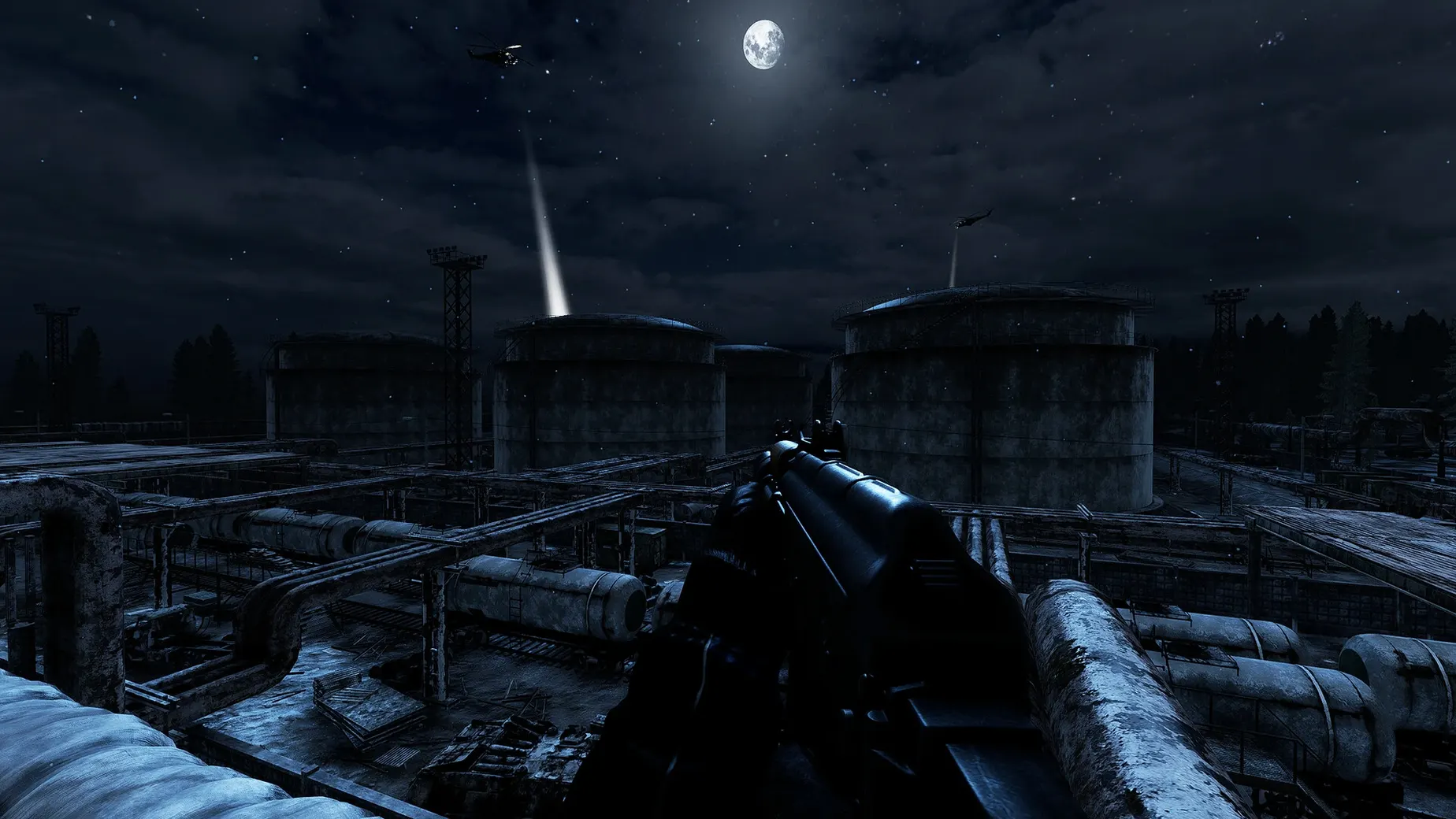
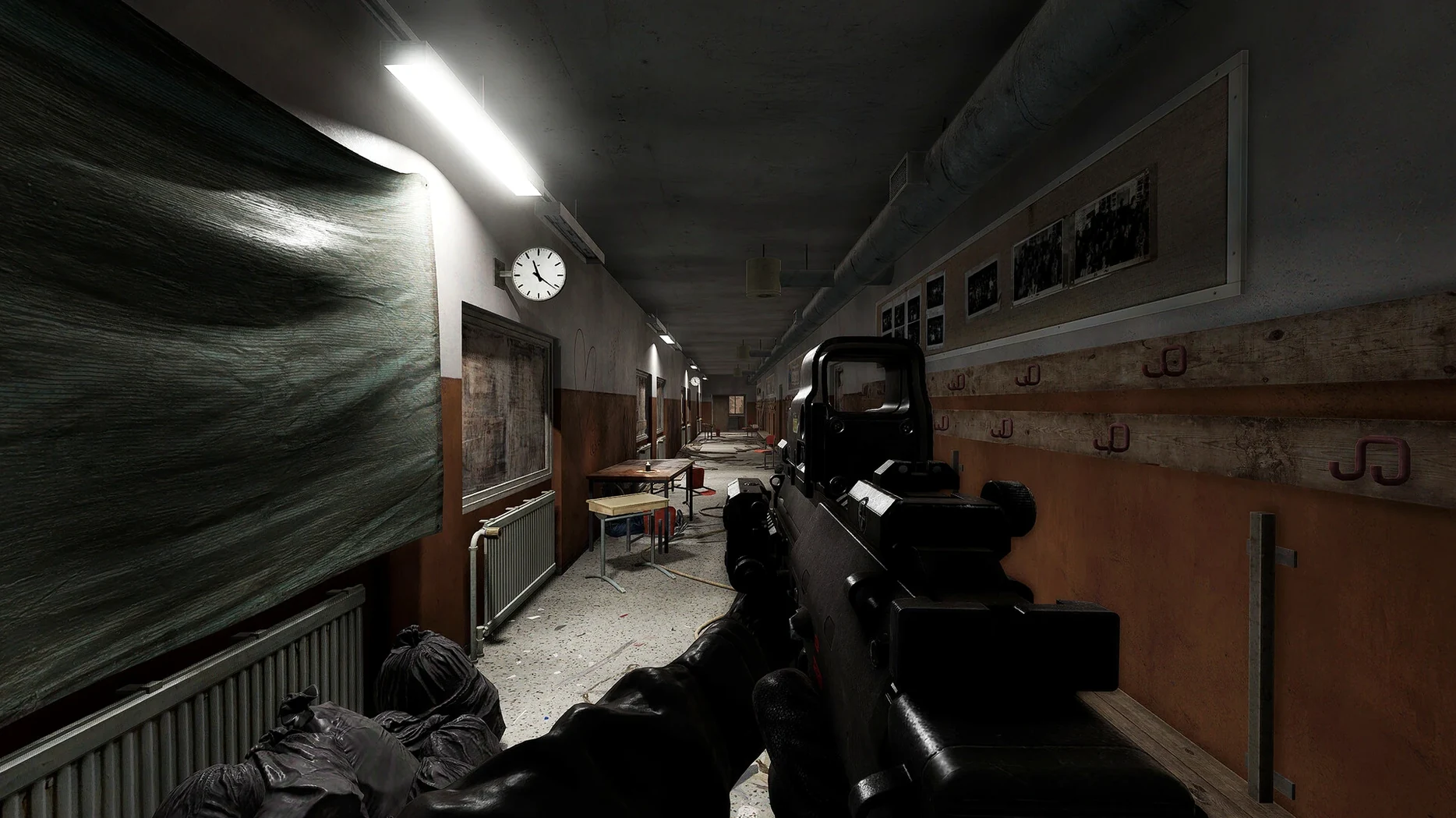
The 0.1.1.3 build landed on macOS Tahoe, tested on a Mac mini M4. Nothing in the notes calls out specific changes, so this is the raw, punishing border zone you’ve heard about—now running smoothly on Apple Silicon.
I keep Road to Vostok running in its own Space on macOS, swiping left when the tension gets too high and I need a breather. Mission Control handles the switch without a stutter, even with the game rendering a dense forest full of lootable cabins. If you use a tool like Shortcuts, you can build a one‑tap automation that quits background apps, sets Focus to Gaming, and launches the game—useful when every frame matters during a firefight near the checkpoint.
The game sits naturally alongside screen recorders and voice chat apps. A quick QuickTime Player screen capture catches those moments when a scav run goes sideways, and Discord runs fine in the background if you want to share the misery with a friend. Do keep an eye on memory pressure though: the Mac mini M4 handled it easily, but older Intel machines might want Safari tabs closed first.
Yes. The build includes ARM and x86 binaries, so M‑series Macs run it without Rosetta. On a Mac mini M4 under macOS Tahoe the framerate stayed smooth through rain, fog, and indoor lighting.
Version 0.1.1.3 is the early access build. You get the core survival loop, the border zone map, and the permadeath rules. Content will grow as development continues, but what’s here already feels complete as a tense, methodical experience.
You can pause, but you cannot savescum. The game commits your progress continuously, so alt‑F4 tricks won’t undo a bad decision. That is by design—Vostok is a permadeath zone and the game respects that.
Spend your first hour learning the loot density, not pushing toward the crossing. The border zone is generous with canned food and basic bandages near the starting shelters, but ammunition stays scarce. Learn which buildings are worth the risk before you carry three guns and no food.
Bind inventory actions to keys you can reach without looking. The default layout works, but moving “drop item” and “quick heal” closer to WASD saves precious seconds when a patrol rounds the corner. Test your binds in a quiet farmhouse, not during an ambush.
Sound is your early‑warning system. Wear headphones and listen for footsteps on gravel, distant gunshots, and the creak of a door you did not open. The game uses stereo audio well—a snap of a twig to your left usually means something is actually to your left.
Finally, accept that your first few runs will end badly. That is not failure; it is the tutorial the game never gives you. Each death teaches you a new sound, a new sightline, or a better route through the woods. Treat it as reconnaissance.
You scavenge for food, medical supplies, and ammunition while moving through abandoned settlements, always weighing risk against the need to resupply before the next leg of the journey.
No, survival mechanics like hunger, injury management, and inventory planning are just as critical as the realistic gunplay.














Chat 0
Hop in or make an account to join the chat.
Quiet in here so far. If you have used this build, tell me what the install actually did.