
 Infuse Pro
 iExplorer
 iReal Pro
 Iconize
 iStat Menus
 HitPaw Watermark Remover

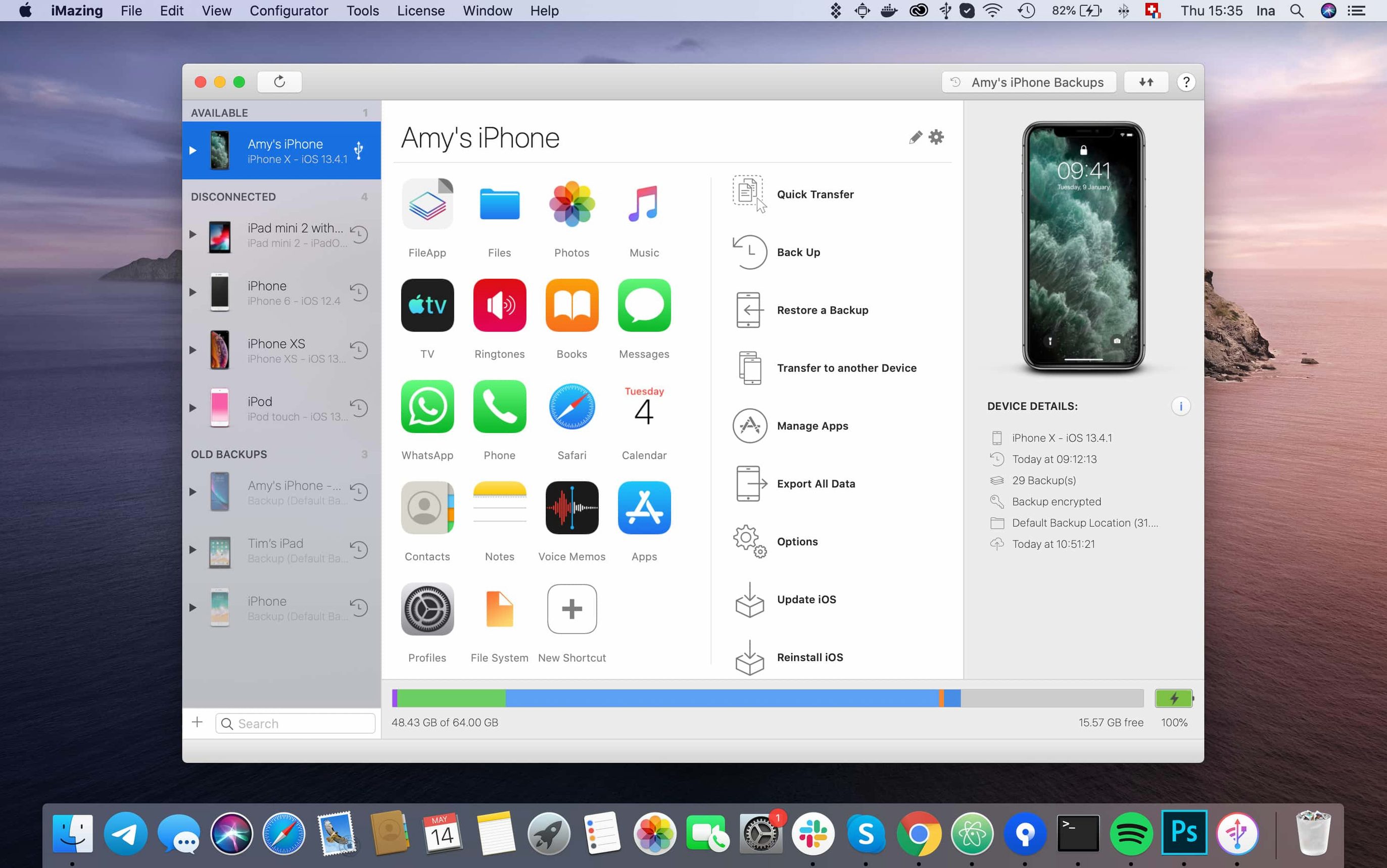
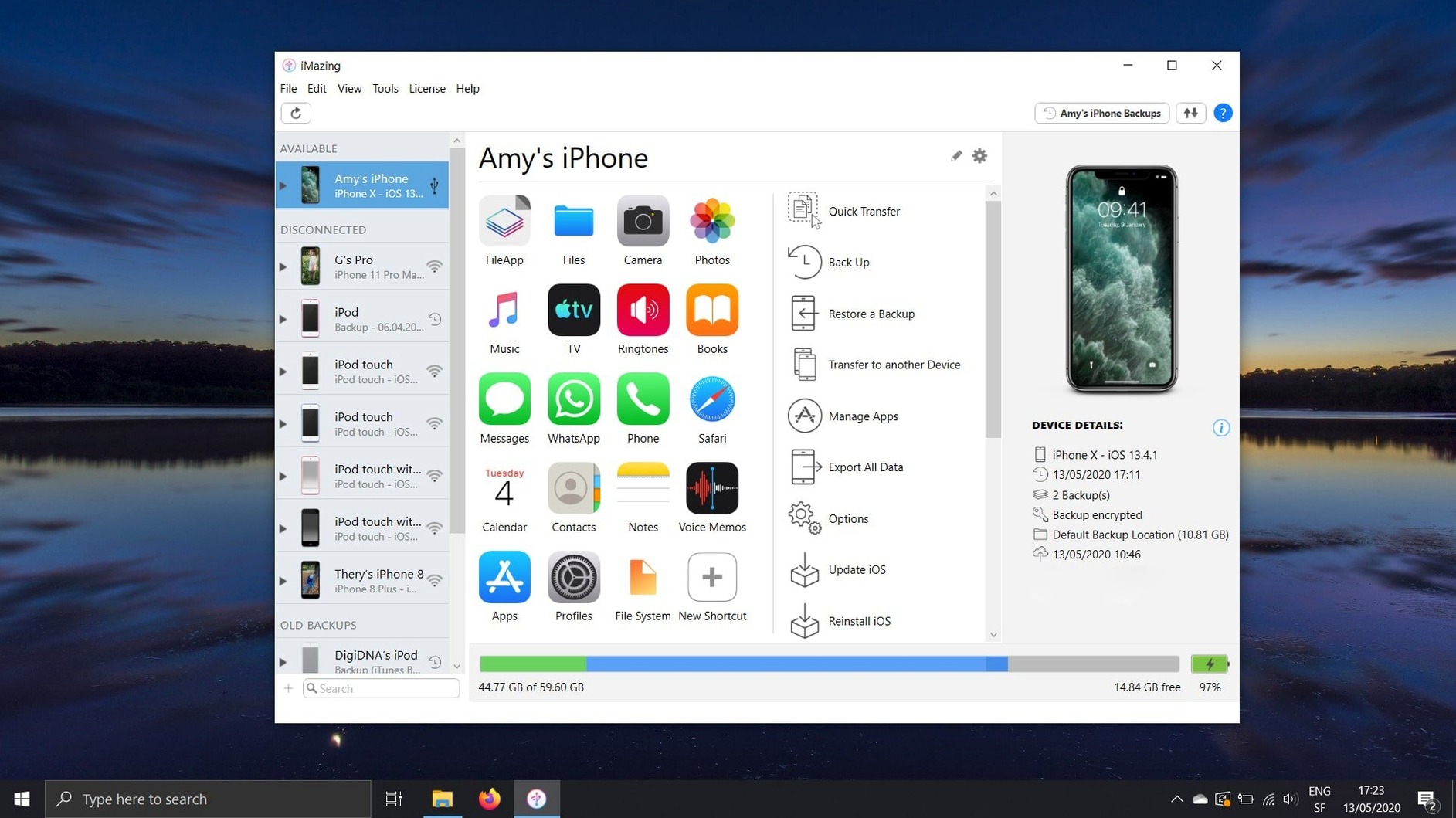
A single voice memo can eat up 200 MB on an iPhone. iMazing lets you grab those bulky recordings straight off the device and save them to your Mac, no iCloud sync required. It handles the kind of direct data transfers Apple leaves out of the Finder.
Version 3.6.5 adds device support for the latest iPhones and a Chatbot link in the toolbar, but the core draw stays the same — direct, wired access to the data that normally hides behind sync routines. The app reads what is already on the phone and writes it somewhere useful.
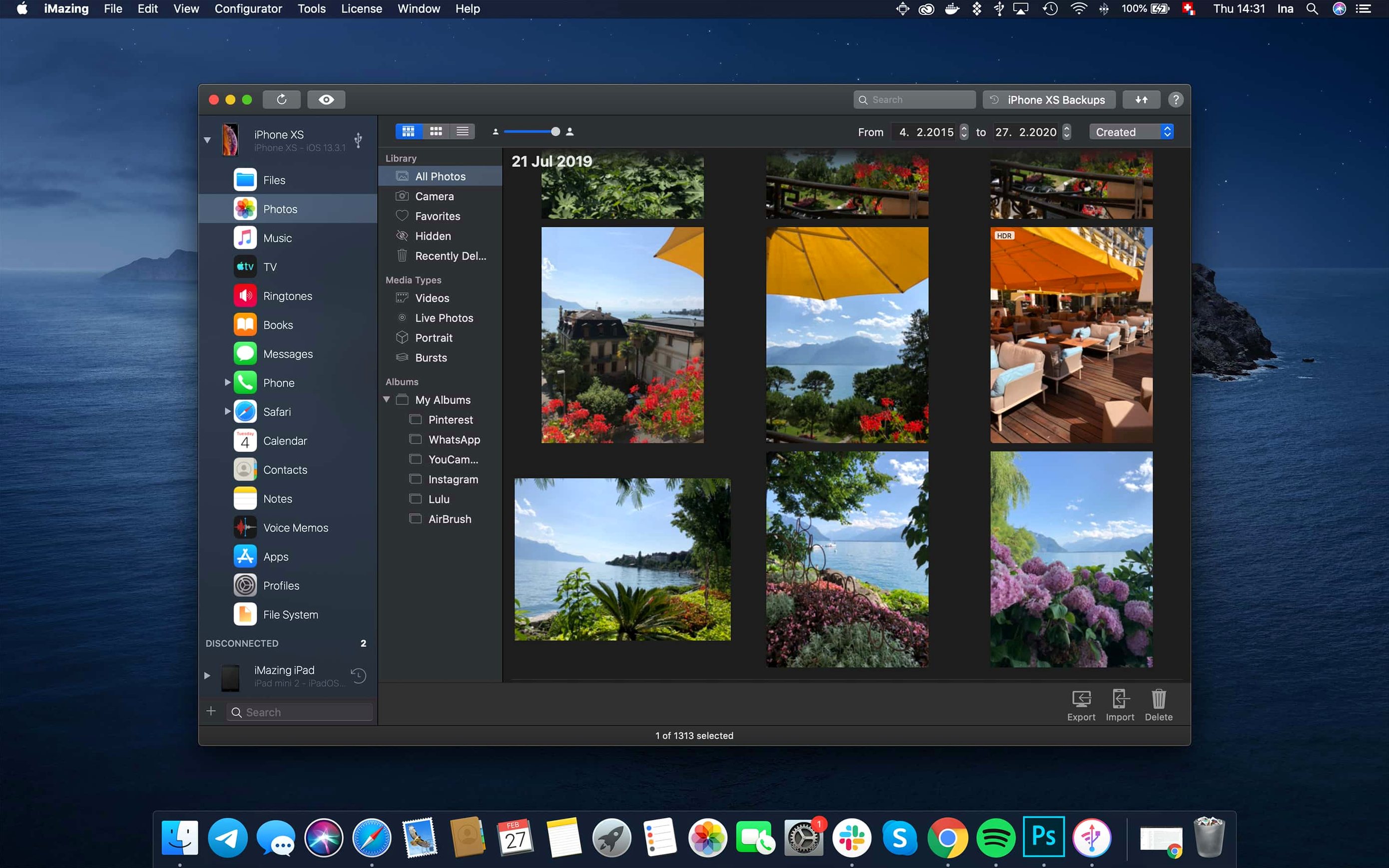
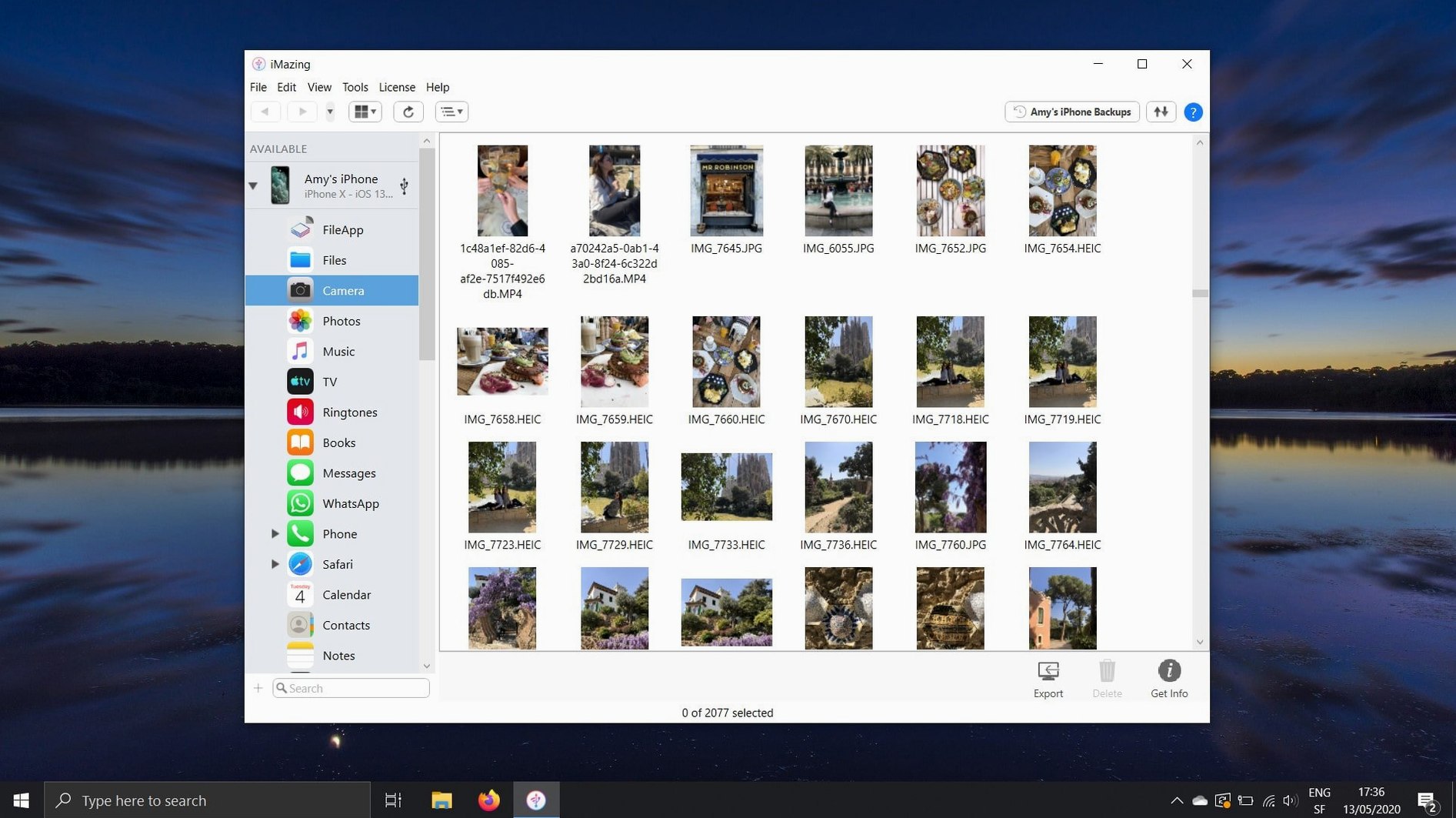
Say you shot 600 photos at a weekend market and only want the 40 keepers on your Mac — no iCloud, no AirDrop guessing. Connect the iPhone via USB, open iMazing and select Photos in the device sidebar.
Switch to list view so you can scan by date. Hold ⌘ and click the shots you want. Right-click and choose Export to Folder. Pick a desktop directory, set the format to HEIC or JPEG and hit Export. The app pulls the original files directly off the device file system, not a synced preview. HEIC exports land with full metadata intact; JPEG converts happen on the fly.
For videos, filter by file type in the top bar so you are not scrolling past 4K clips you already saved. The export queue runs in the background — you can unplug the phone once the progress bar finishes. No Photos.app import, no duplicated library entries.
Open the app and wait for the device summary to populate. That first sync reads the full backup manifest, so give it two minutes on a USB-C connection even if the phone looks idle. Do not interrupt it.
Next, set a local backup destination. Click the device name, then Backup Options and point the path to an external SSD if your Mac has a small internal drive. Encrypt the backup with a password you will remember — without encryption, Health data and saved Wi‑Fi passwords do not get stored.
Run one manual backup. After it completes, browse the snapshot under Backups in the sidebar. Double‑click the latest entry to mount it as a virtual drive. This is where you learn the structure: Media, Messages, App data arranged by bundle ID. Poke around for ten minutes so you know where your things live before you ever need to recover them.
Lastly, in Preferences > General, uncheck Automatically check for updates if you prefer to stay on a known version. People grabbing an imazing torrent or imazing mac torrent often freeze updates anyway; the setting just keeps things predictable.
People who treat an iPhone as a work drive, not just a camera. Freelance photographers pulling RAWs off the device without Photos.app round‑tripping. Small business owners exporting call logs to CSV before tax time. Writers who need to archive entire message threads, attachments and all, before switching phones.
Also: anyone who has ever stared at an encrypted backup and wanted just one file back. The granular restore — pull a single Numbers document from a three‑month‑old snapshot — is the feature that flips people from Finder sync to iMazing. If you use an imazing crack mac or an imazing 3 torrent to test that workflow first, you will understand why a backup that you can actually browse changes the recovery game.
Less useful for people who live entirely in iCloud and never touch a cable. If your photos, messages and files already sync across devices without friction, the app adds a layer you may not need. It shines brightest when you want offline, local control over what lives on your phone.
On an M1 MacBook Air, a wired backup of a 256 GB iPhone 14 Pro takes about 18 minutes — mostly bottlenecked by Lightning speeds. USB‑C iPhones halve that. The app idles at roughly 120 MB of RAM with no device connected; during an active backup, memory climbs to 400 MB and CPU sits around 8–12 percent. No beachballs on macOS Sonoma, even while scrubbing through a photo library over Wi‑Fi.
Message export felt the heaviest. Pulling a three‑year thread with 2,000 attachments into PDF took 90 seconds and briefly pushed CPU to 60 percent. Once the export completes, resource use drops back immediately — no lingering background processes. The app quits cleanly without leaving helper daemons in Activity Monitor.
Wireless backups can stutter if the Mac switches networks mid‑session. Tethering to a 5 GHz band helps. The app does not warn you when Wi‑Fi drops, so a backup can appear stuck at 98 percent until you check the connection. Minor quirk, not a dealbreaker.














Chat 0
Hop in or make an account to join the chat.
Quiet in here so far. If you have used this build, tell me what the install actually did.