
 ArchiCAD
 Araxis Merge
 AppZapper
 Apple Remote Desktop
 Apple Keynote
 App Cleaner & Uninstaller
 ApolloOne
 AnyTrans for iOS


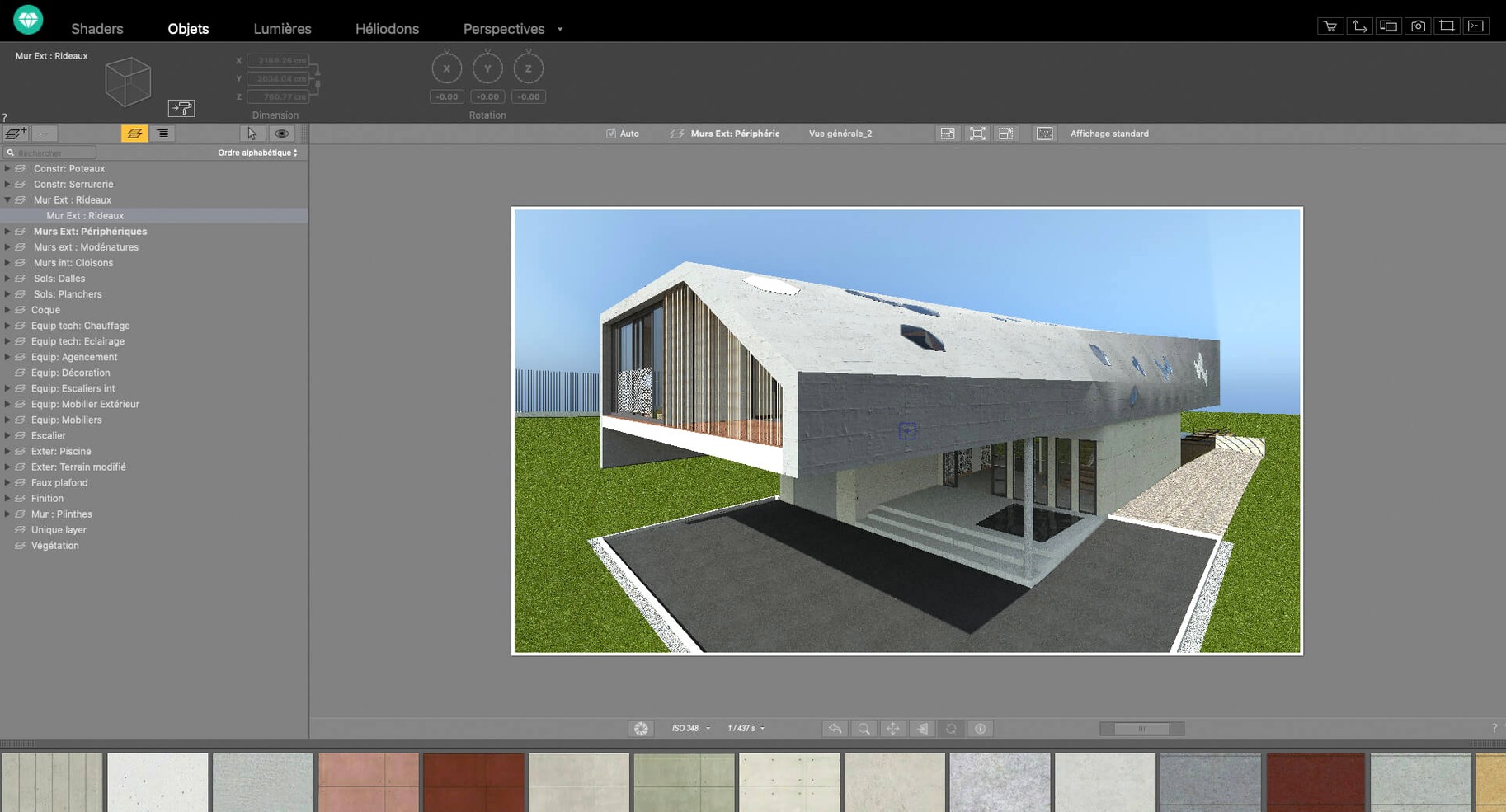
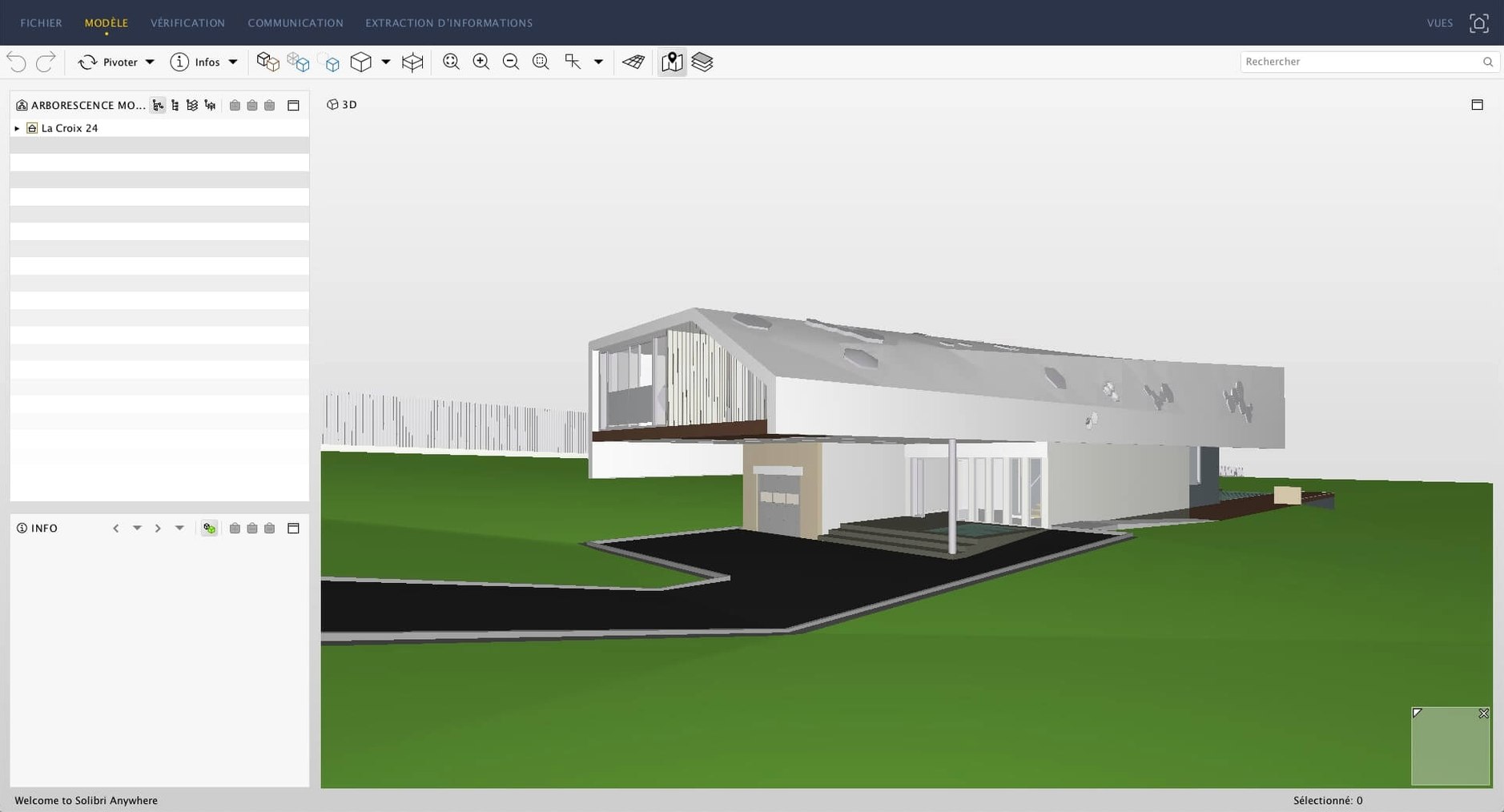
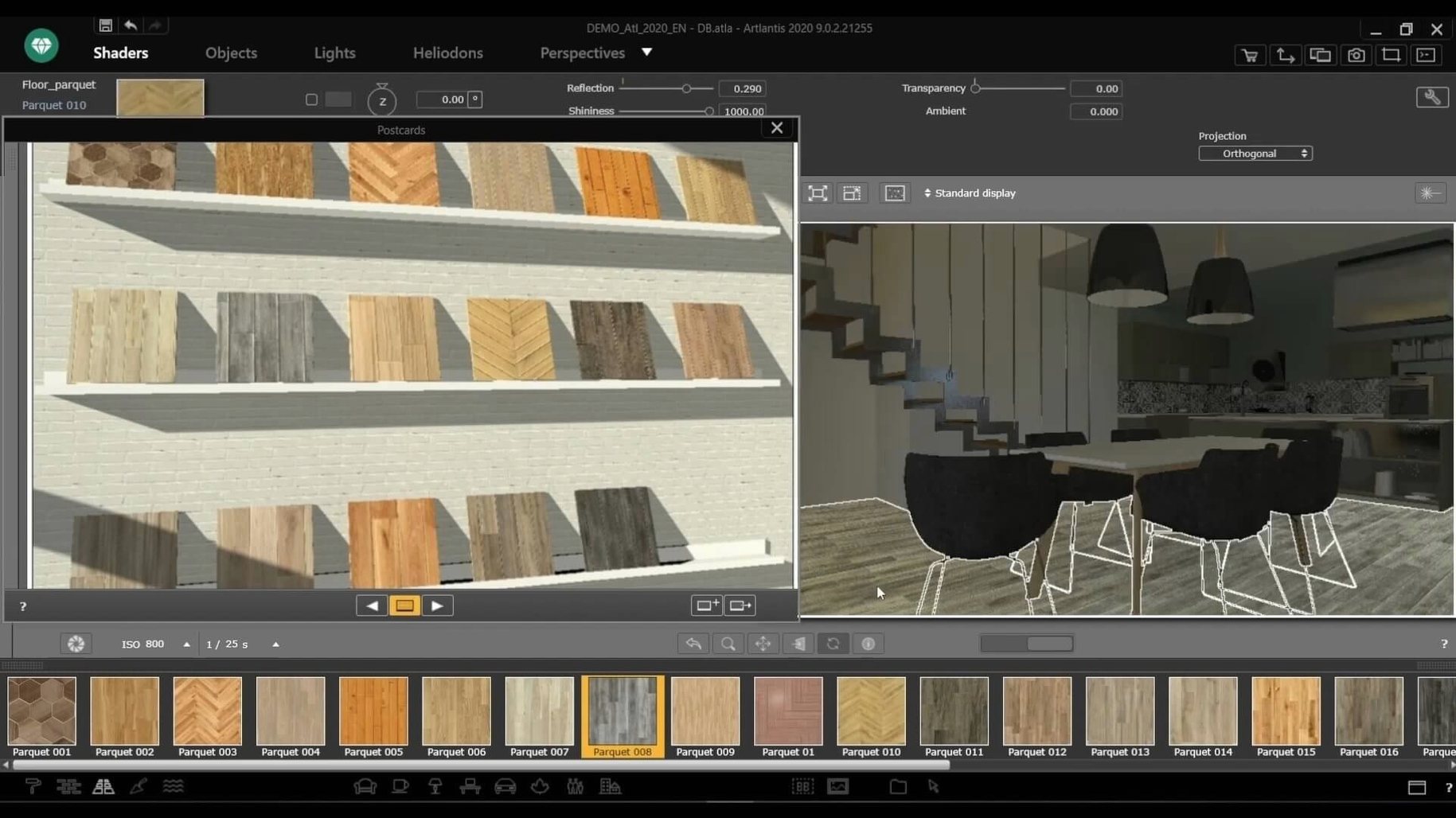
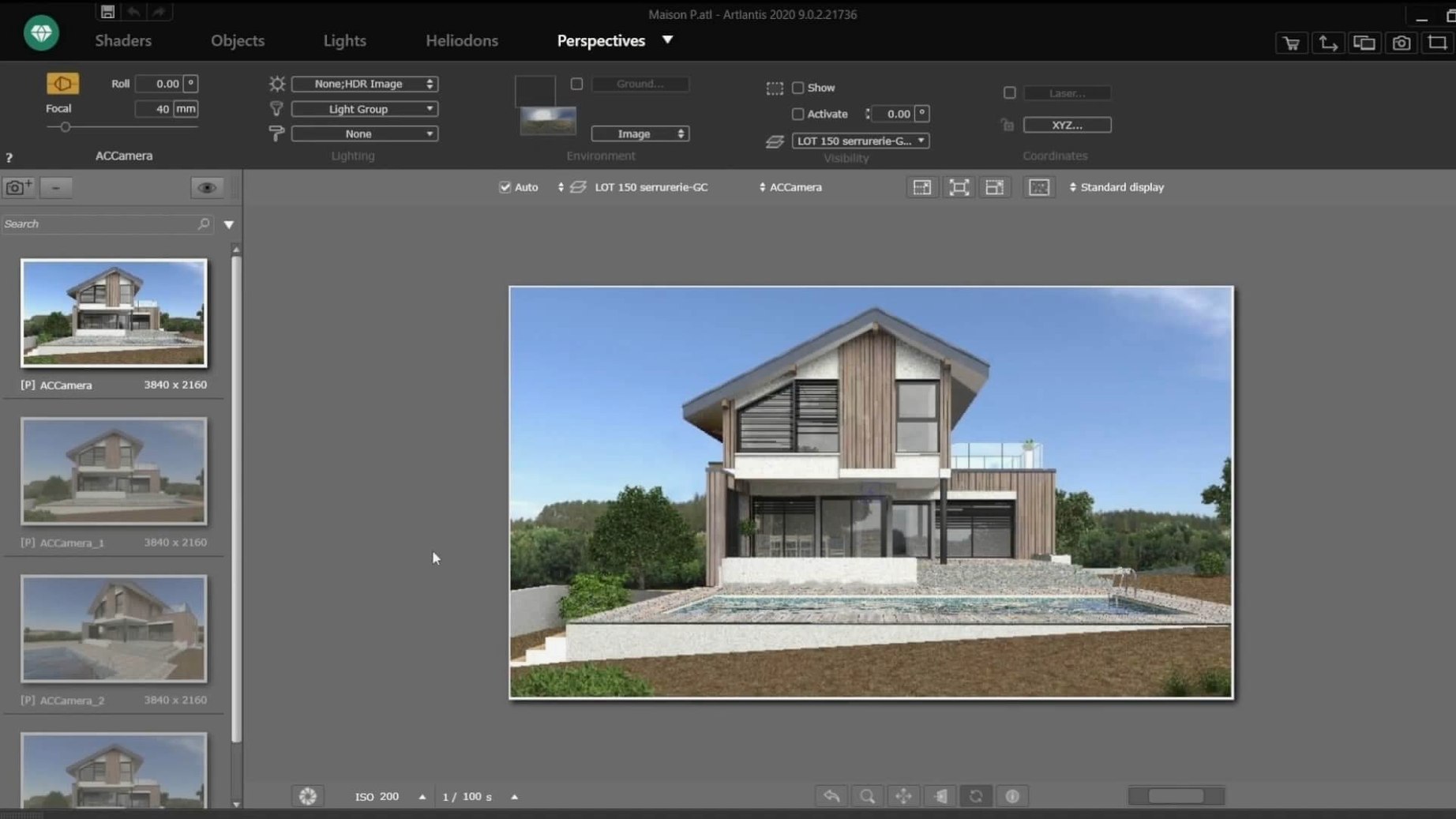
Artlantis is a 3D rendering app that turns CAD and modelling scenes into stills, animations and virtual reality panoramas.
It sits naturally next to the tools a Mac user already runs for drafting and modelling. The 64-bit Intel app works on macOS 10.13 and later, and the interface follows you across Russian, English, German, Spanish, Italian, Simplified Chinese, Korean, Polish, Portuguese, French and Japanese. If your day moves between CAD and client-ready visuals, this is the step that handles light, materials and final output without leaving the Mac.
Out of the box, Artlantis uses safe defaults that keep the viewport responsive. A few quick tweaks make the final output noticeably sharper without slowing everyday work.
Artlantis clicks with Mac users who already have a CAD or modelling app and need a straight path from working file to presentation image.
Architects and interior designers who draft in ArchiCAD or VectorWorks benefit from the direct exchange. You update the model, hit refresh in Artlantis, and the surfaces, cameras and materials you already set stay intact. That loop saves hours when a floor plan shifts late in a project.
Solo visualization freelancers like the self-contained workflow. There is no node editor to wrestle with. You drag a material onto a wall, scale it with the shader sliders, and see the change in the viewport instantly. The post-processing panel handles brightness, contrast and colour tables right inside the app, so a quick still often needs no trip to an external editor.
Small studios presenting to clients lean on the VR panorama and QuickTime VR export. Walk-through animations are straightforward to set up: place a camera at point A, place another at point B, let Artlantis compute the motion path in between. For a client who struggles to read a plan, standing inside a panorama answers questions faster than a dozen stills.
The common thread is a need for speed over infinite control. If you spend more time adjusting materials than modelling, Artlantis fits. If your renderer needs a scripting manual, it probably does not.
Abvent's development wrapped with version 9.5, and the changes across the last major releases were practical rather than flashy. Everyday use got smoother in a few clear ways.
The viewport became more responsive. Older versions paused when you dragged a heavy material onto a complex surface; later builds handled that feedback in near real time, so the drag-and-drop catalog felt closer to a live preview.
Neon and LED light sources improved. Early Artlantis releases treated a neon shader as a flat glow. Later updates gave it proper falloff and colour bleed, which matters for retail and hospitality scenes where artificial light defines the mood.
Export formats broadened. QuickTime VR was joined by more flexible panorama outputs that play nicer with modern viewers, without dropping the older format that some long-time users still rely on.
Some users hunting for an artlantis torrent or an artlantis mac torrent are looking to match the build that runs stably on an Intel Mac with macOS 10.13. The 9.5.2 release is the final tuned version from the Abvent R&D team, and it reflects the polish that came from years of incremental rendering and shader improvements. Anyone searching for an artlantis 2021 download is essentially looking for the same mature codebase, since the app's development wrapped shortly after that cycle. The direct exchange with ArchiCAD and SketchUp matured across these releases too — later versions handle imported scenes with fewer broken material links, which keeps the round-trip workflow intact.














Chat 0
Hop in or make an account to join the chat.
Quiet in here so far. If you have used this build, tell me what the install actually did.