
 Photo Mechanic
 PhotoScape X Pro
 Permute
 Picview - Image Viewer
 Pixea Plus
 Pixelmator Pro
 Pixologic Zbrush
 Path Finder

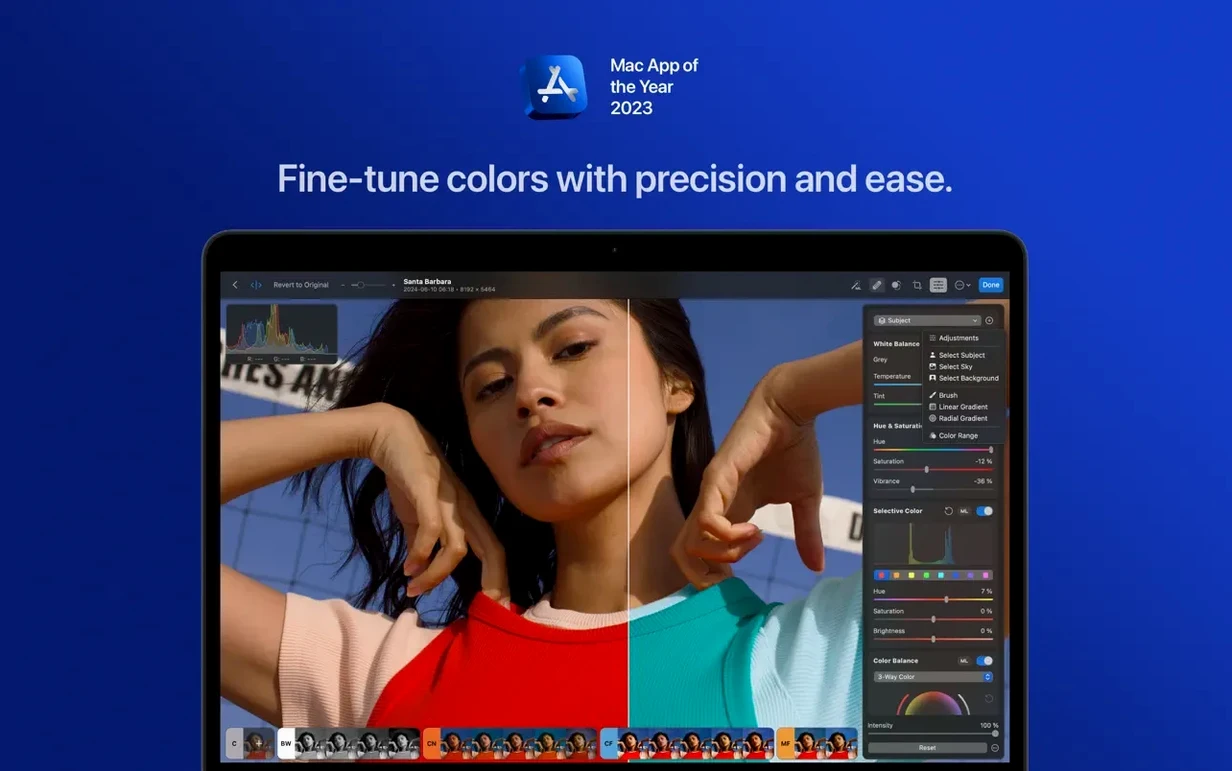
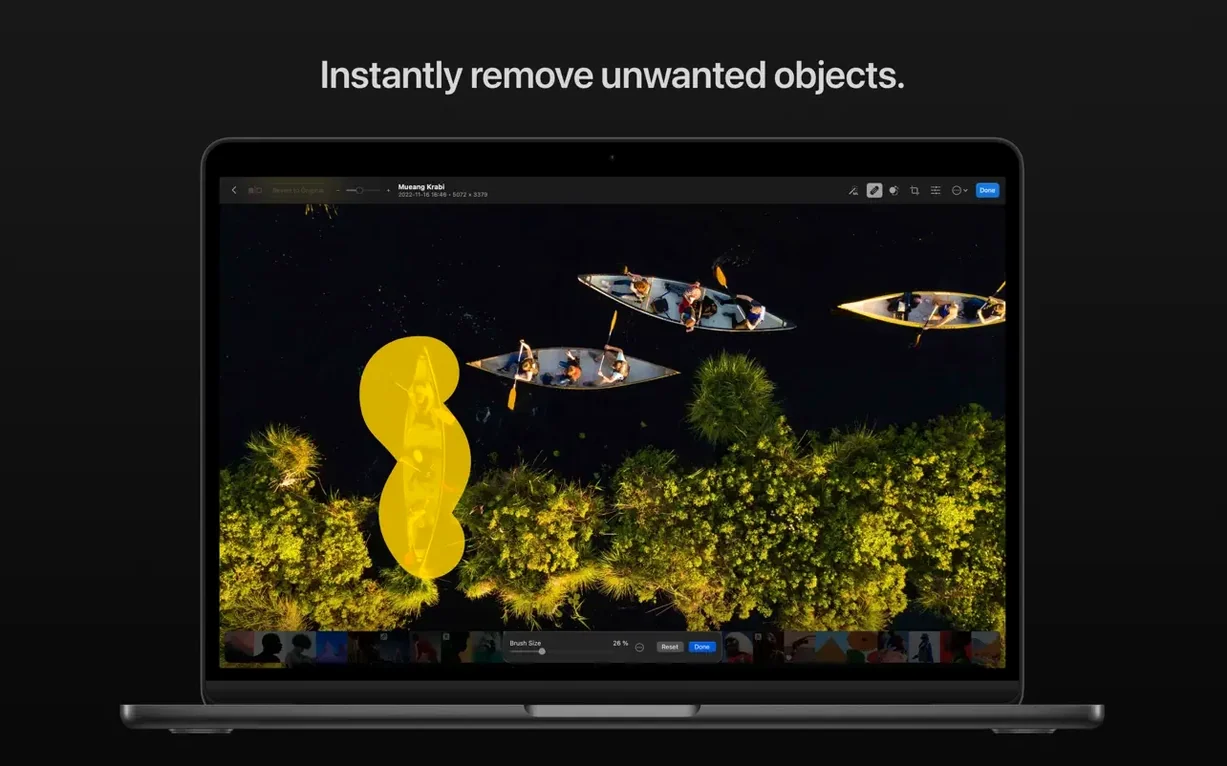
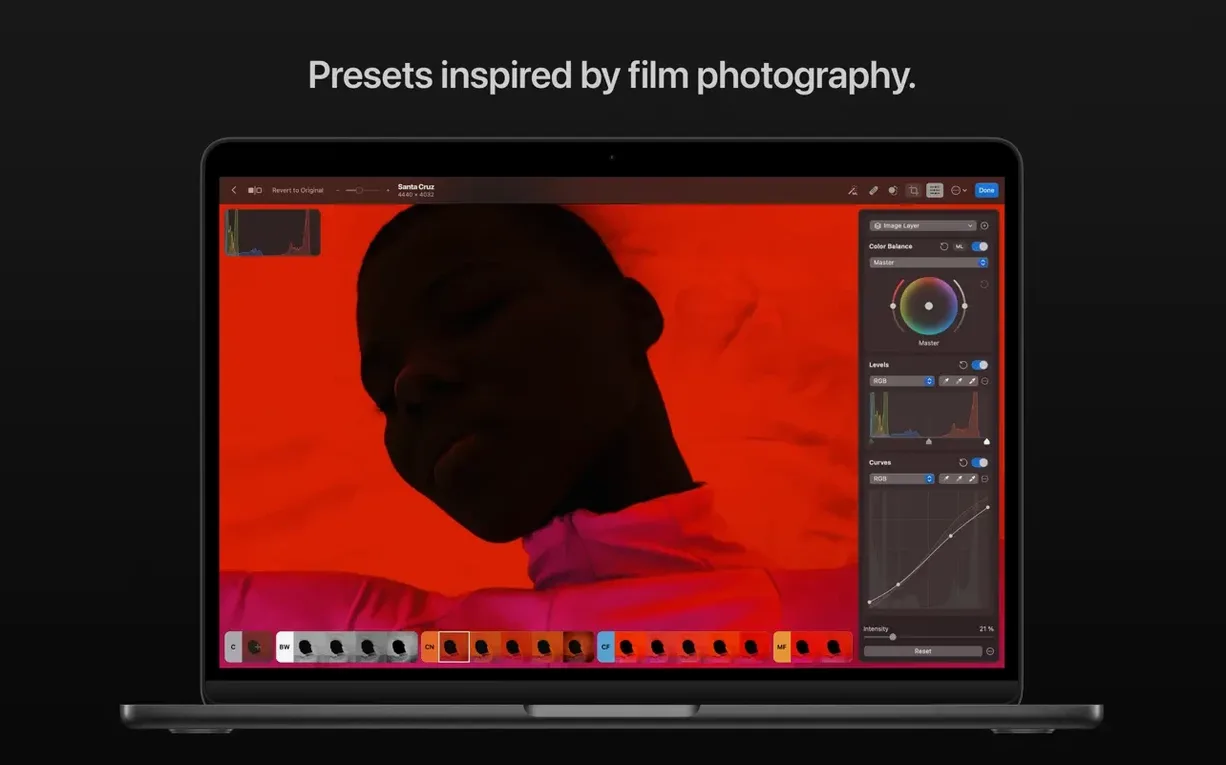
You have a great shot ruined by a power line, some sensor dust, or ugly colour banding in the sky. Photomator is made for those quick fixes that make a photo feel finished, without needing to live inside an editor for an hour.
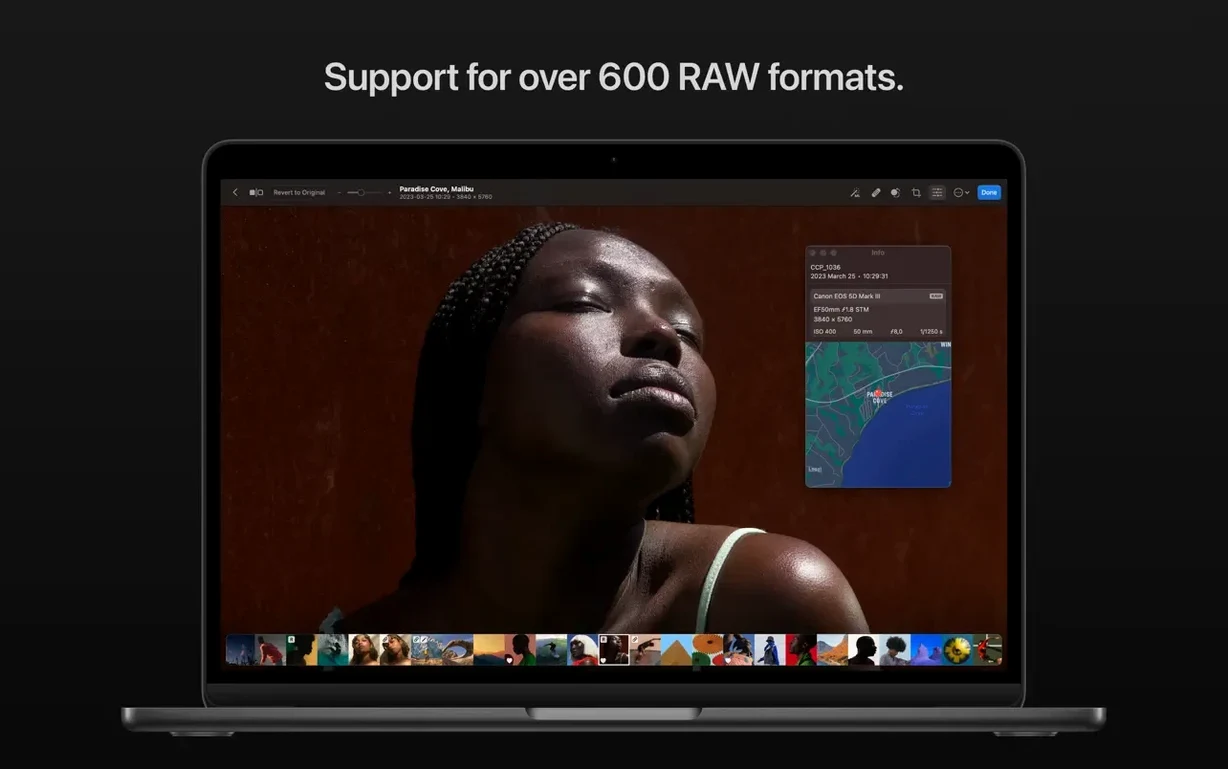
The app leans on Metal, Core ML and Core Image, so adjustments feel snappy on Apple Silicon or Intel. It reads compressed RAW from newer Sony, Fujifilm and Nikon bodies, plus high‑resolution Panasonic LUMIX files — handy if you shoot long glass or stitch big landscapes.
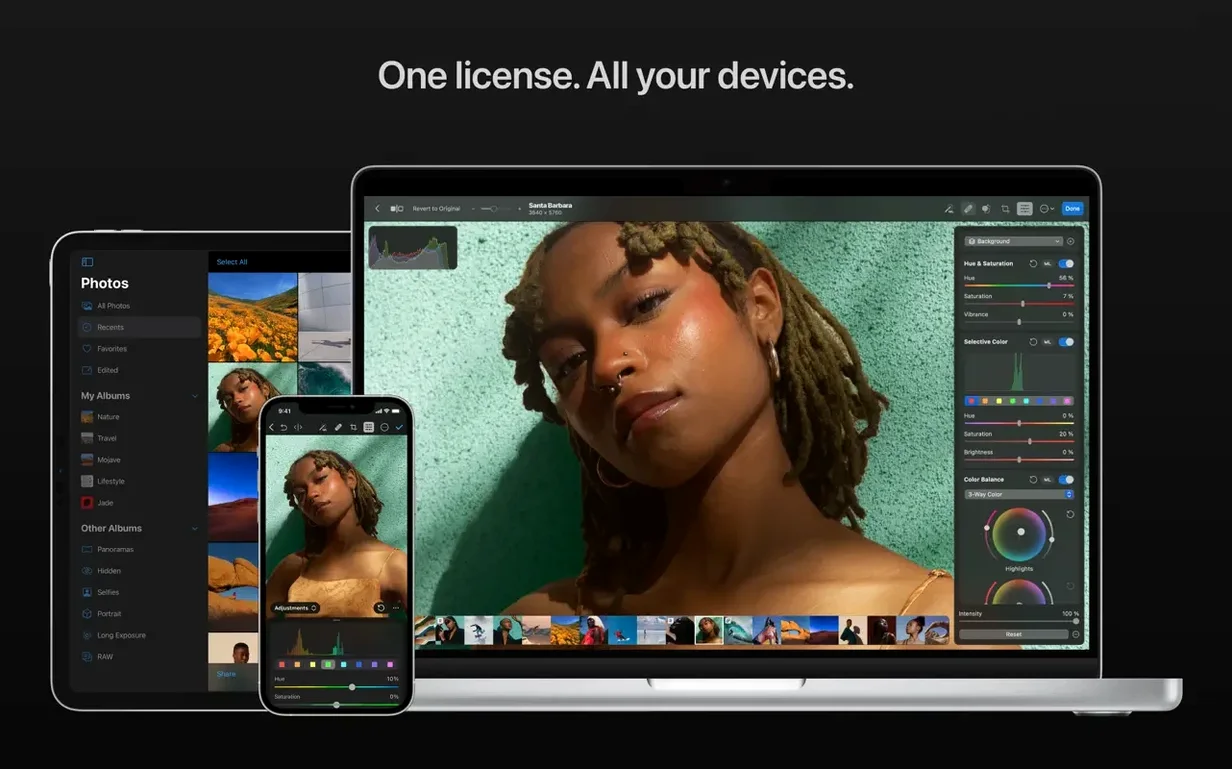
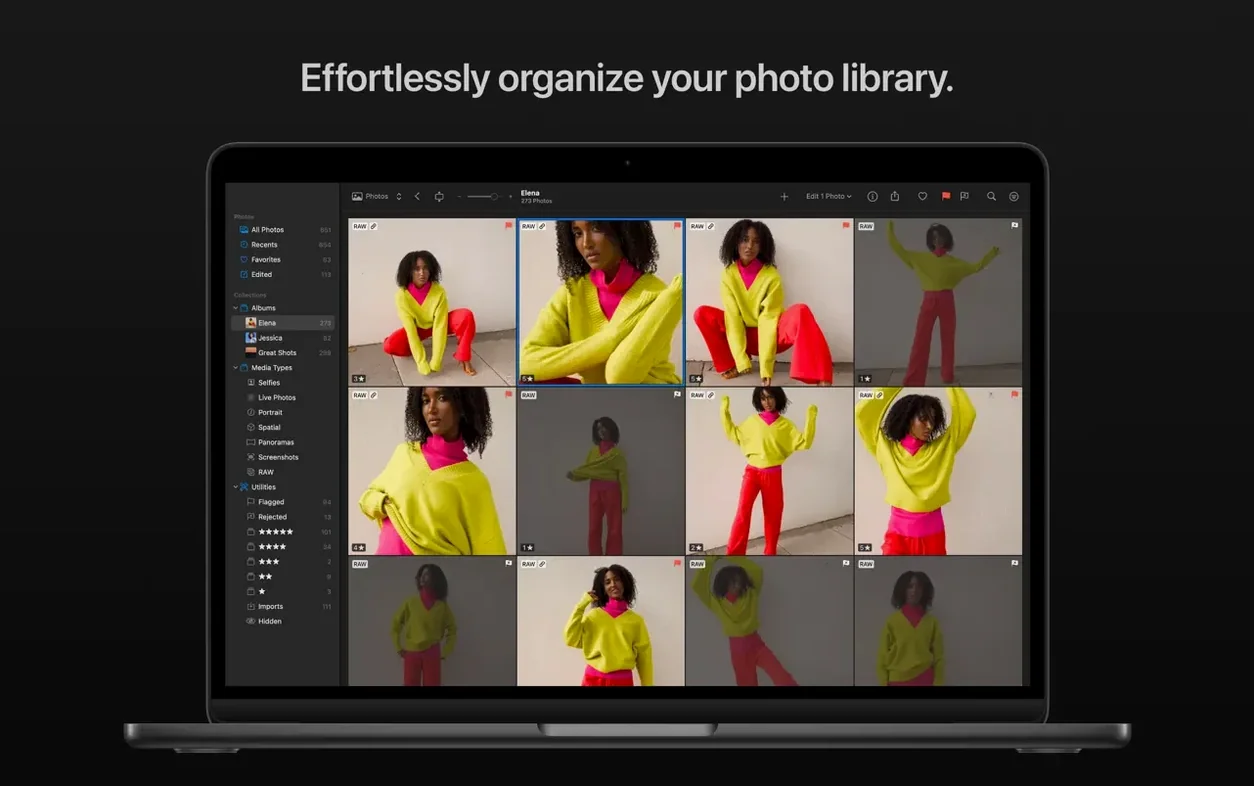
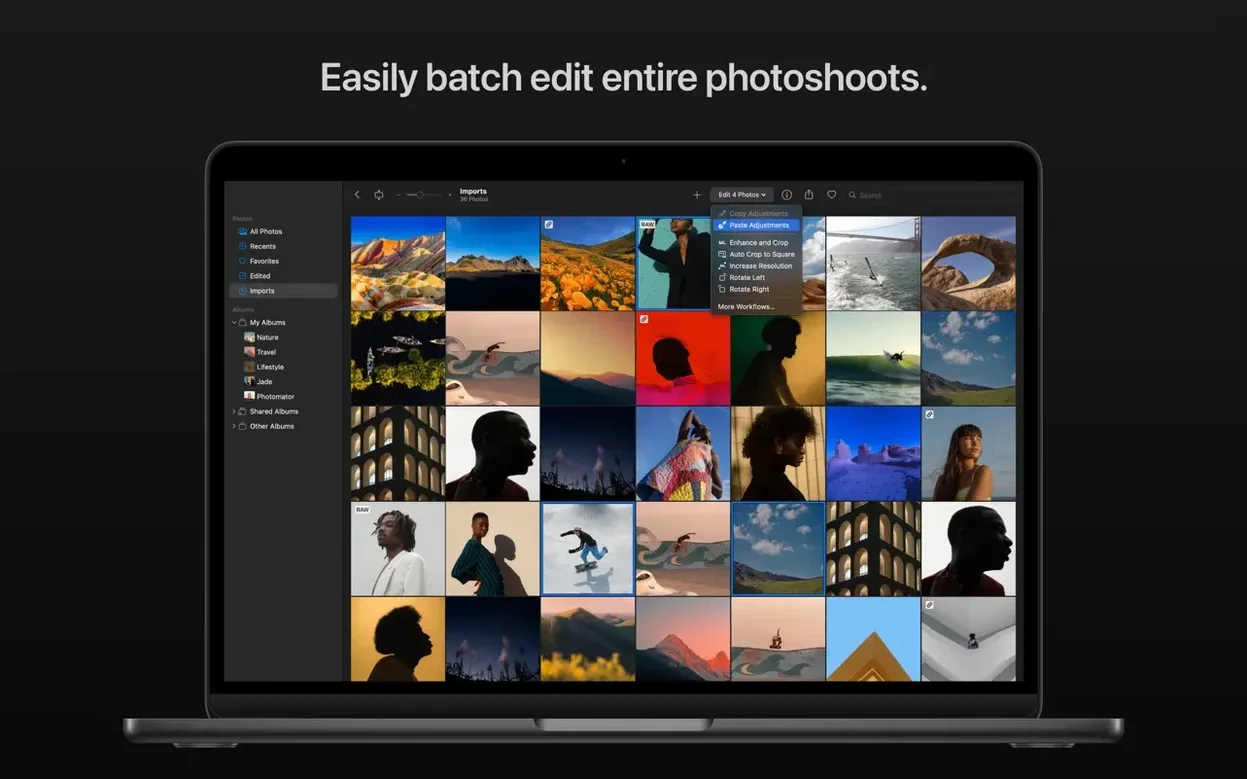
Does Photomator replace a full Lightroom setup? Not exactly — it slides into a different slot. Think of it as the editor you open when the Photos app hits a wall. You keep your library where it is, open a shot, and work on it without importing into a separate catalogue. People who batch-edit event work or travel sets appreciate that the edits copy cleanly between RAW and JPEG files sitting side by side.
A common question is whether the AI tools slow down older Macs. On any machine running macOS 13, the subject and sky selections complete in a couple of seconds. The model runs locally — no upload, no wait. If you have thirty shots to process, the batch tools let you apply one preset and one crop ratio across all of them before you go make coffee.
Some users hunting for a photomator download also wonder about file support for newer cameras. Version 3.4.15 added compressed RAW from the Sony Alpha ILCE-7M5, the FUJIFILM GFX 100S II, and the GFX 100RF, so those files open natively. Nikon Z5II and Z50II shooters get High Efficiency RAW support too — no extra conversion step needed.
The headline in 3.4.15 is broader camera support, but the bug fixes matter more for everyday editing. Performance when scrubbing through adjustment sliders tightened up — less beachballing on large Panasonic LUMIX files shot in High Resolution mode. If you edit on a MacBook Air, that means fewer moments where the fans spin up while you tweak white balance.
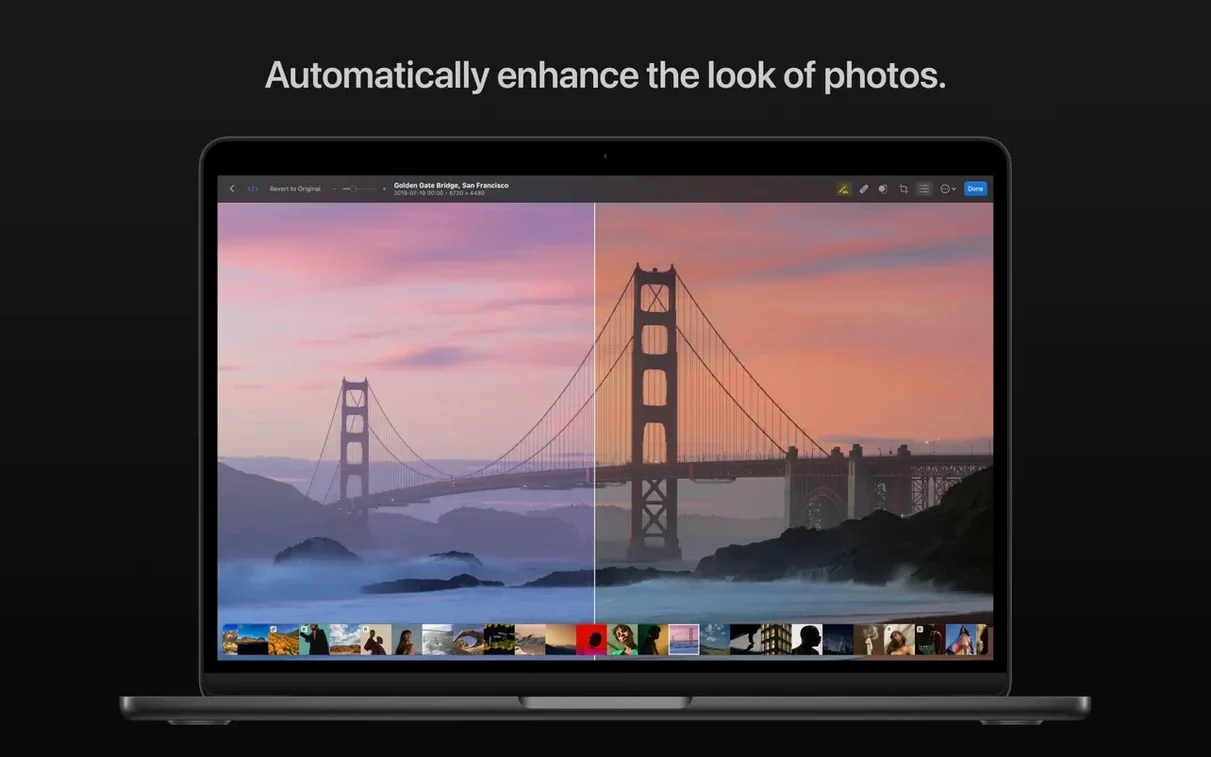
Earlier versions of Photomator added Denoise and Smart Deband, and those tools now feel settled. Denoise uses Core ML to clean high-ISO shots without turning skin into plastic. Smart Deband quietly fixes the posterisation you get in blue skies from compressed JPEGs — you notice it only when you toggle the before/after view and see the sky go smooth.
The most common slip is treating the AI selection like a magic wand and not refining it. The subject mask grabs the main shape well, but hair strands and bicycle spokes often need a quick brush pass to include or exclude. Spend thirty seconds tidying the edge and your local adjustments stop looking cut out.
Another mistake is stacking presets without checking the layer order. Applying a black-and-white preset over a colour grade flattens both, but the app lets you reorder them. Pull the monochrome preset above the colour work and you get a tinted black-and-white look instead of a muddy grey.
People who search for a photomator crack mac often grab a build that still includes Denoise and the latest camera profiles — just double-check your RAW engine version so everything stays in sync as support moves this fast. And if you batch-edit without locking your crop first, you might straighten thirty shots only to realise each one inherited a slightly different angle from the auto-straighten tool. Set your crop ratio, lock it, then apply the batch.














Chat 0
Hop in or make an account to join the chat.
Quiet in here so far. If you have used this build, tell me what the install actually did.