
 Drama
Drama DockView
 djay Pro
 DriveDx
 Dropover
 Disk Drill
 Dropzone 5


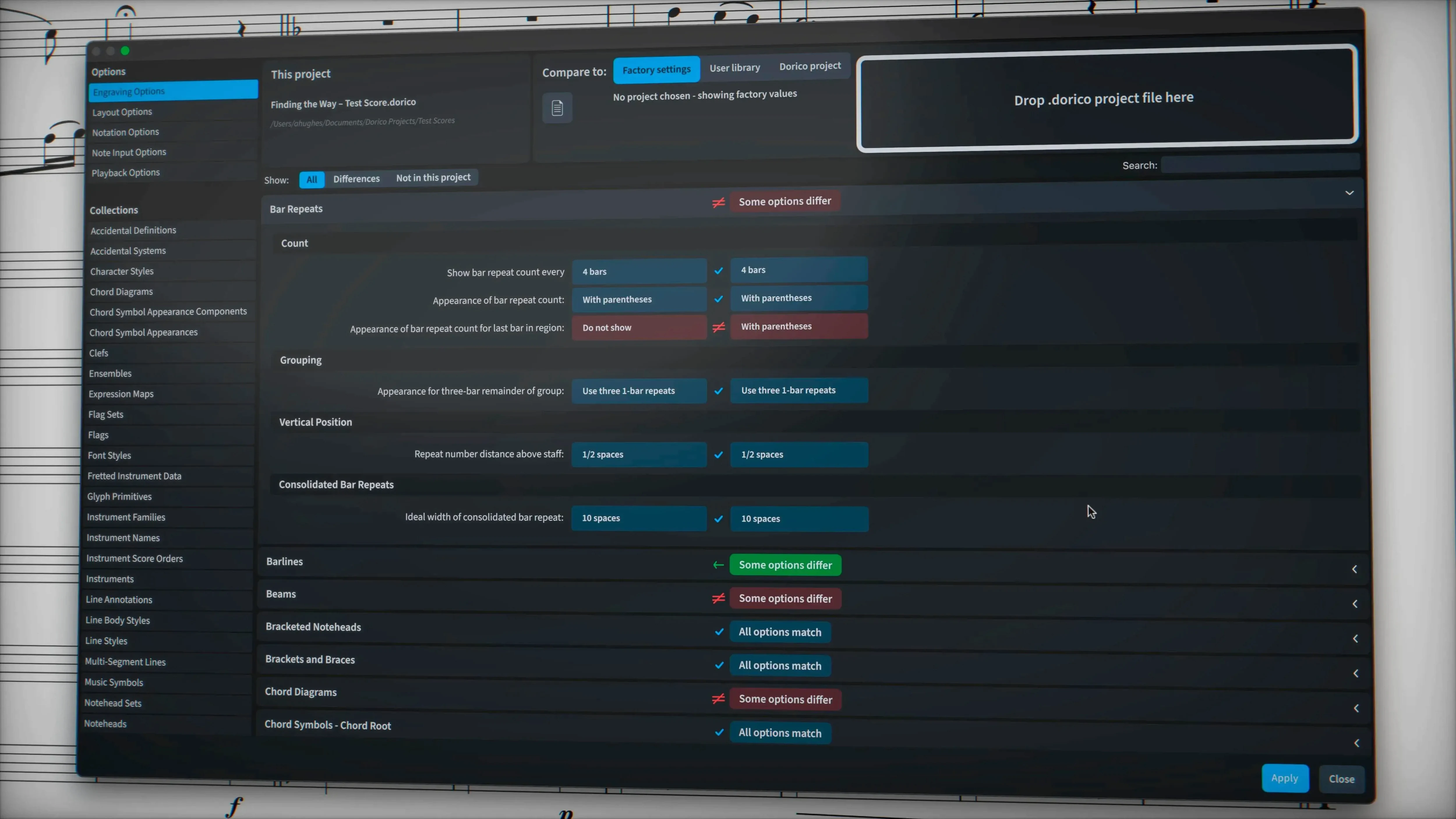
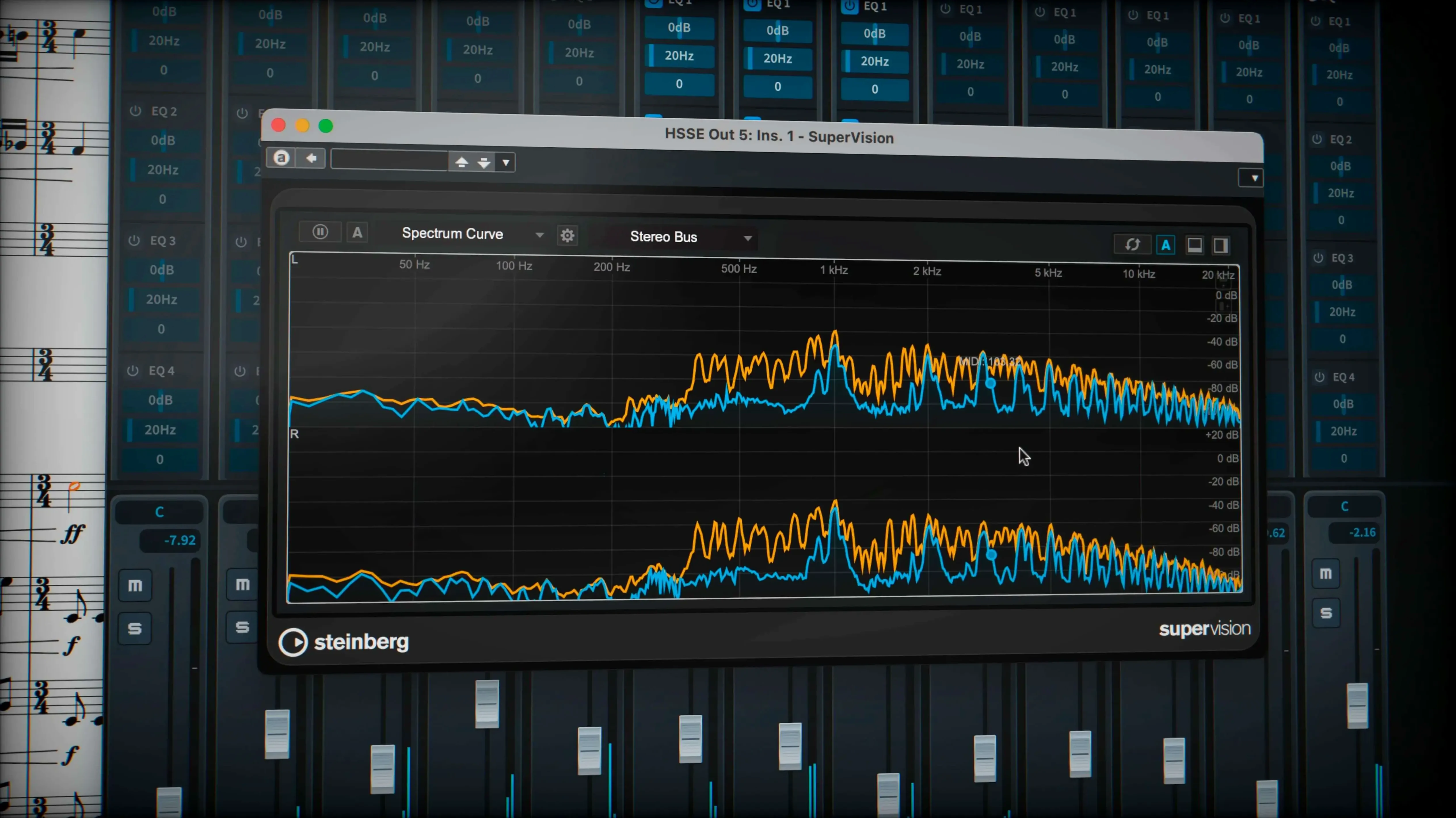
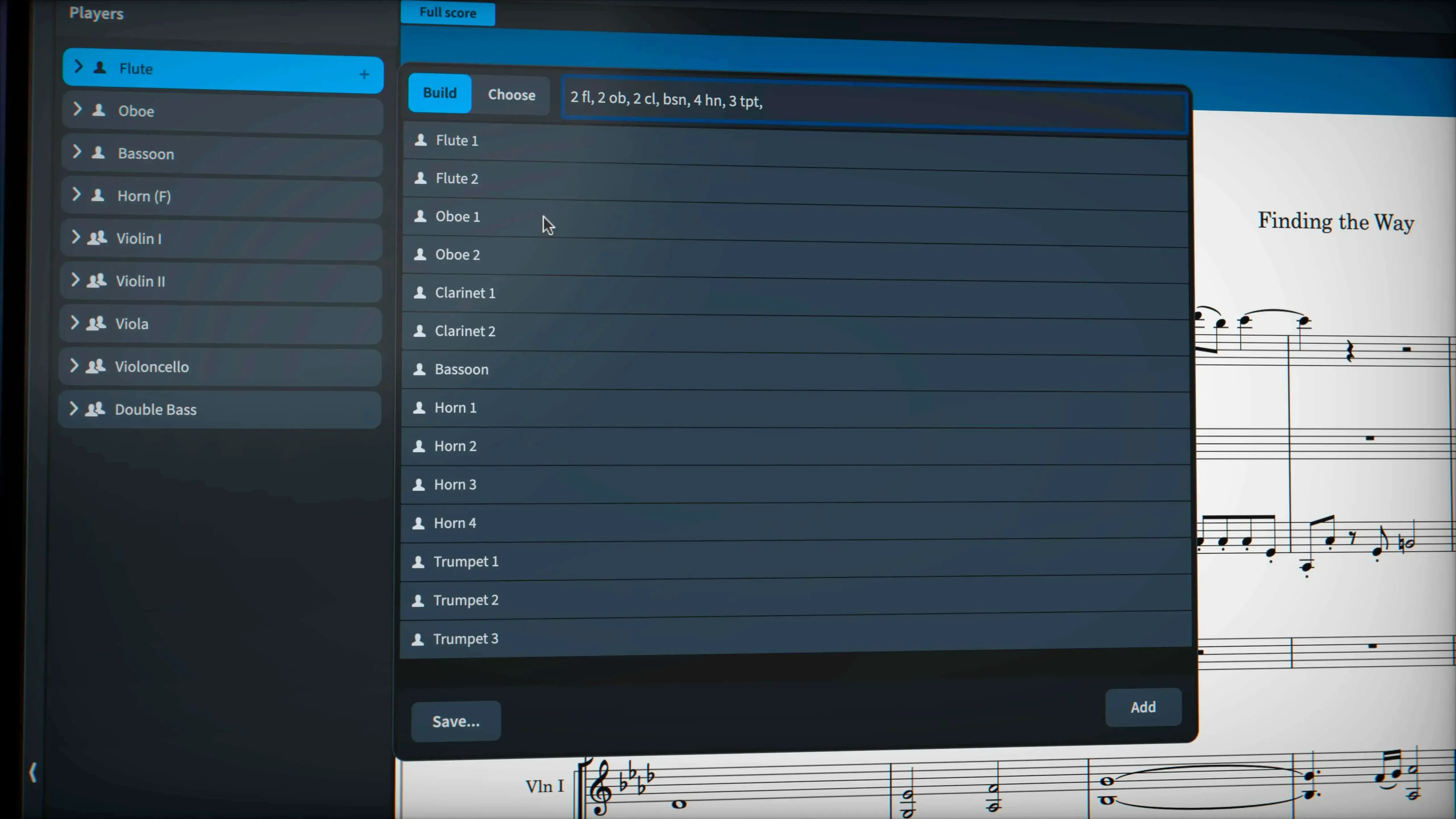
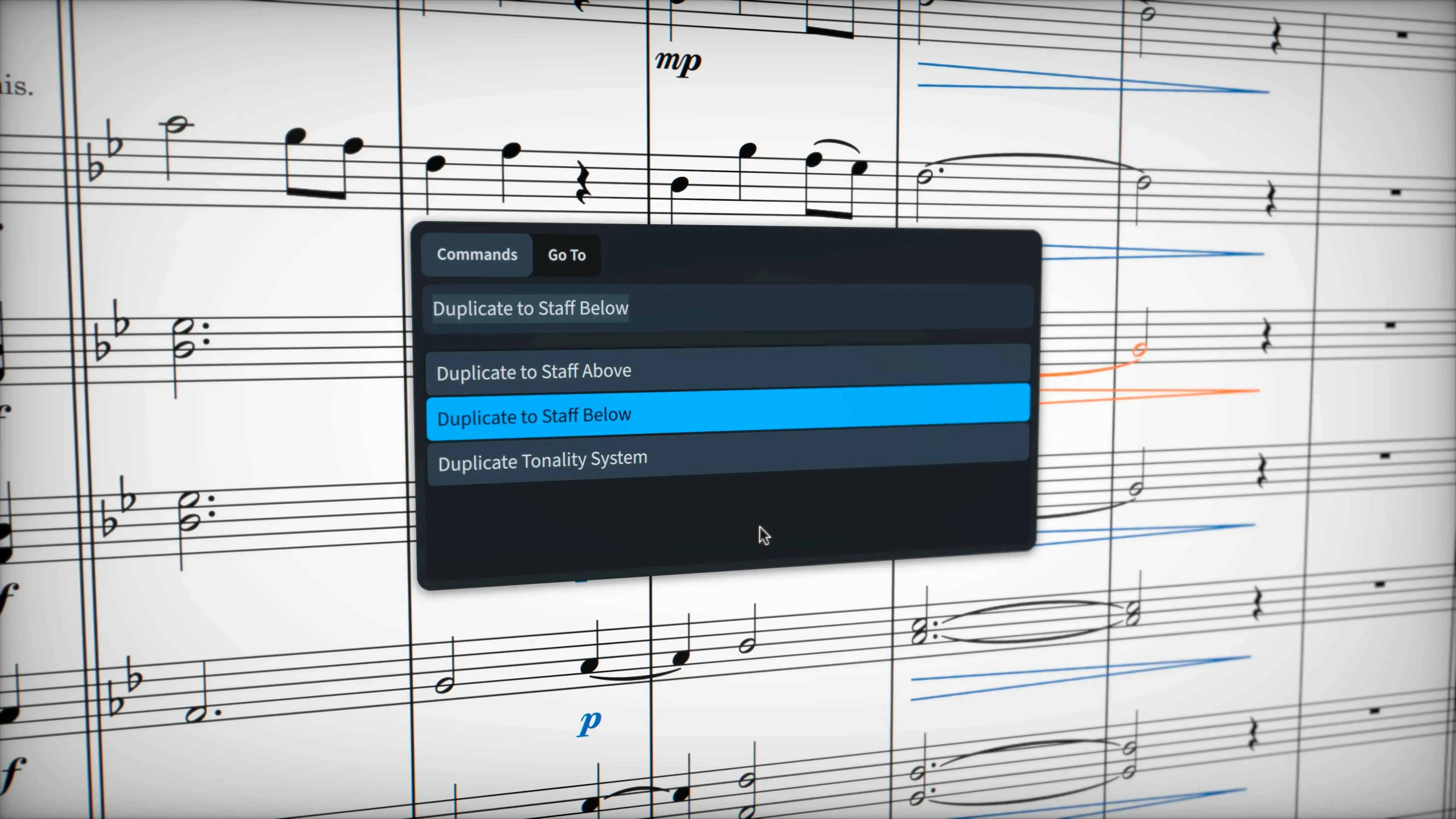
If you've been wrangling notation in a general-purpose DAW, Dorico Pro is Steinberg's dedicated score-writing answer. This article maps out macOS compatibility first, then what sits inside the current build.
On the sound side, you get nearly 1,500 built-in instruments out of the box. The update smooths out hidden-note handling and sharpens the engraving pipeline—useful if you're prepping scores for publishing or copying work.
Dorico Pro 6.2.30 settles into a rhythm quickly. Score redraws on an M1 MacBook Air feel near-instant, even with a 24-stave orchestra layout open in page view. The collision avoidance engine hums along without the micro-stutters earlier builds sometimes showed when dragging dynamics across a dense system.
RAM use sits around 1.2 GB with a moderate orchestral project and the built-in HALion Sonic SE sounds loaded. Adding a couple of Berlin Series VST 3 instances pushes that toward 2.6 GB, but playback stays smooth and the transport never trips over itself. On Intel machines the same session feels a beat slower during engrave-mode recalculations, though nothing that interrupts the flow.
Stability stands out. Leaving the app open across sleep cycles, swapping between three large projects, and firing off MusicXML exports didn't trigger a single beach ball during a full afternoon of arranging. The 40-plus fixes in this update clearly targeted the gremlins that used to lurk in tuplet export and hidden-note cleanup.
A few habits from other notation apps trip people up early. Here are the ones worth sidestepping:
A handful of shortcuts speed things up without much fanfare. Holding Option while clicking a dynamic applies it to the selected voice only, handy when the second violin needs a swell independent of the first. The Shift-I popover for instrument changes works mid-staff, so swapping clarinet in B-flat to A takes a few keystrokes rather than a trip to the setup panel.
Wiggly glissando lines got a flexibility bump. Beyond the traditional trill glyph, you can pick a line style from your project's library for each instance. The line style property overrides the global setting per-line, which means a single cue can mix a straight portamento with a wavy slide without touching the project defaults. Right-click any glissando line and jump to the properties panel to try it.
Hidden notes now export cleanly whether you route through MusicXML or print to PDF. If a tuplet bracket vanishes because of an engraving-options override, the export reflects what you see on screen now—no phantom brackets in the part. That alone saves a round of proofing exports before sending files to a copyist.
Take a string quartet sketch that starts as a piano-roll idea and ends as printed parts. Here's one way through, start to finish:
That pipeline—MIDI idea to parts—runs without leaving the app. The VST 3 rack handles the Cantai instruments, the piano roll shapes the phrasing, and the engraving engine polishes the output with minimal hand-adjustment. If you've been hunting a Dorico 6 Mac torrent or a Dorico Pro torrent that lands on a stable build, the 6.2.30 maintenance release is the one that makes the workflow described here hold together across long sessions.
Yes, version 6.2.30 runs natively on Apple Silicon and Intel Macs, requiring macOS 12 or later.














Chat 0
Hop in or make an account to join the chat.
Quiet in here so far. If you have used this build, tell me what the install actually did.