

Download KORG Collection for macOS
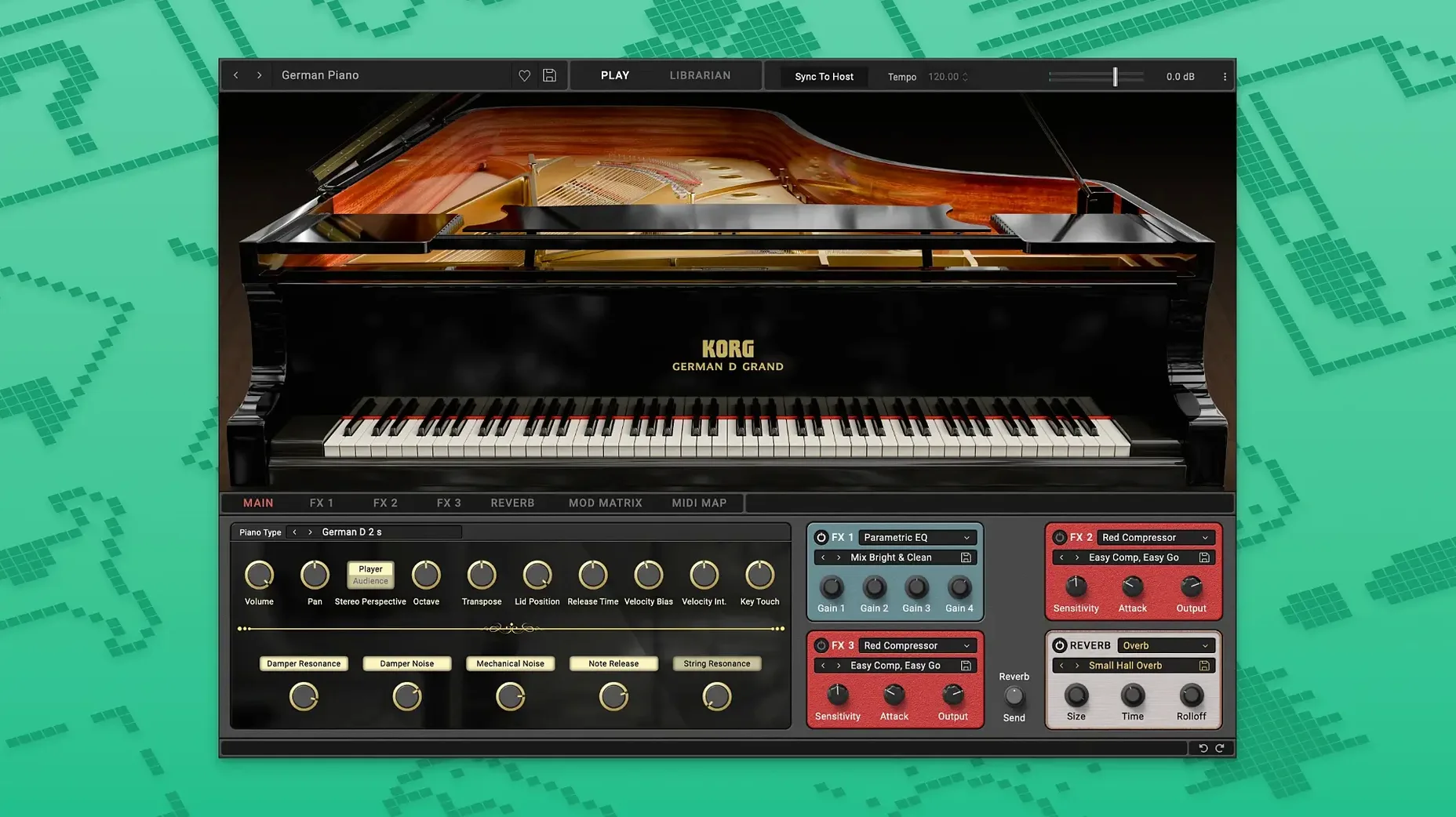
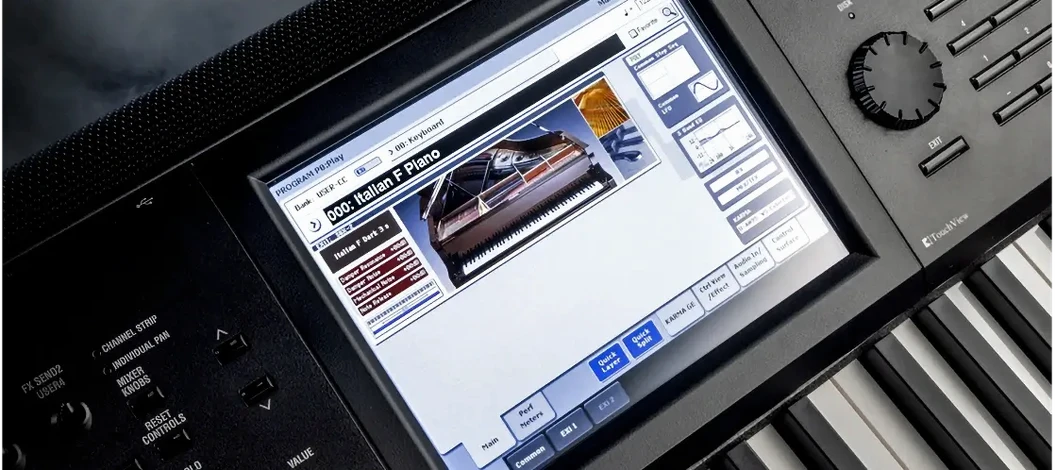
One installer. That is all it takes to drop a roomful of KORG hardware onto your Mac. The Collection packages software recreations of their classic synthesizers alongside the SGX-2 grand piano engine — a modelled concert grand that responds to velocity like a acoustic instrument mic'd close.
Working inside the suite feels like walking a familiar control panel. Knob ranges, filter slopes and envelope curves mirror the behaviour of the original circuits, so a nudge of the cutoff or a tweak to the amp release pushes a mix exactly where you expect. Low end stays tight even when you layer three pads and a mono bassline, because the DSP underneath was built to handle polyphony without smearing transients.
The SGX-2 piano is the quiet standout. It captures string resonance and damper noise in a way that sits naturally under a vocal, and the dynamic range stretches from delicate felt hammers to bright, percussive fortissimo. It slips into a sparse jazz arrangement as easily as a dense soundtrack cue.
Everything runs natively on Apple Silicon and 64-bit Intel, so patch loading stays snappy even in a busy DAW session. The interface is English, and all the labels sit right where you left them twenty years ago.
Tuning the SGX‑2 velocity curve for your controller
Out of the box, the instruments load with sensible defaults, but a few quick tweaks make them feel more like your own. Start with the velocity curve inside SGX-2. The factory curve suits medium-weighted controllers; if your keys feel too stiff or too spongy, open the piano's settings panel and drag the response graph until soft passages trigger without disappearing and hard strikes don't clip into harsh territory.
Next, check the reverb send level on any polysynth patch. The collection ships with lush tails that sound gorgeous solo but swamp a mix fast. Pull the wet mix back to about 20-25% and let the dry tone breathe — you can always push it up later when the arrangement thins out.
For the analogue-modelled synths, disable onboard effects temporarily while you dial in the core sound. A sawtooth lead with chorus and delay sounds polished, but you need to hear the raw oscillator and filter before you know whether the patch actually works. Once the fundamental tone is right, re-enable the effects one at a time and season lightly.
Also worth doing: assign MIDI CC to filter cutoff and amp attack on your favourite patches. Most parameters respond to controller mapping without fuss, and having a physical knob for those two controls speeds up sound design more than any menu shortcut.
Plug‑in formats and macOS version support
The Collection runs as AU, VST3 and standalone apps, so it slots into Logic Pro, Ableton Live, FL Studio and pretty much any DAW that respects standard plug-in formats. On macOS 10.13 and later, the instruments appear in the plug-in list without extra bridging — no janky wrappers needed for Apple Silicon, because the binaries include native ARM builds alongside 64-bit Intel.
Standalone mode is genuinely useful for live playing. You can fire up SGX-2 without opening a DAW, route it through an audio interface and treat your Mac like a dedicated stage piano. The same trick works for the synths if you want to noodle or practice without staring at an arrangement window.
MIDI Learn plays nicely with external controllers right across the suite. Hook up a KORG nanoKONTROL or any generic MIDI surface, right-click a parameter and move a fader — the mapping sticks. This ties in well with macOS Audio MIDI Setup, where you can aggregate devices and route MIDI from multiple keyboards into different Collection instruments at once. A weighted controller feeding SGX-2 while a synth-action keyboard drives a polysynth on a separate channel is a fast way to build a layered performance rig.
Audio routing is what you would expect: each instrument outputs stereo audio to the host, and you can sidechain or bus-process the signal like any other virtual instrument track. No special audio configuration required, just standard macOS Core Audio handling.
Rescanning for missing plug‑ins on Apple Silicon
Plugin not showing in the DAW. After installation, open your DAW's plug-in manager and force a rescan. On Apple Silicon Macs running a DAW in native mode, confirm you installed the ARM version — the Intel-only build will not appear unless you run the DAW under Rosetta. The package includes both architectures, so a quick reinstall with the correct option fixes it.
High CPU on older machines. SGX-2 models string resonance in real time, which hits the processor harder than the subtractive synths in the collection. If you hear crackles or see the CPU meter spike, reduce the voice count in the piano's performance settings — 64 voices is plenty for most playing and cuts the load noticeably. Freezing or bouncing the piano track in your DAW is the safe fallback.
Patch browsing feels sluggish. Some users report a slight lag when flicking through presets quickly, especially on machines with slower storage. Moving the sound library to an SSD if it landed on a mechanical drive speeds this up immediately. The instruments read samples from disk, so drive speed directly affects browsing responsiveness.
Activation confusion. Installation and activation instructions come in the package — follow them exactly as written. Skipping a step or opening the app before completing the activation process can leave instruments in demo mode with periodic silence. If that happens, quit everything, re-read the included notes and run through the steps again from scratch. It resolves every time.
MIDI controller not responding. In standalone mode, check that the instrument window has focus and that your controller is selected in the app's audio/MIDI preferences, not just in macOS system settings. The standalone apps manage their own MIDI port selection separately from the DAW.
- macOS 10.13 or later
- Apple Silicon or 64‑bit Intel processor
Questions I get
SGX-2 is a virtual instrument that recreates the sound of a concert grand piano, suited to classical, jazz, pop and soundtrack production.







Chat 0
Hop in or make an account to join the chat.
Quiet in here so far. If you have used this build, tell me what the install actually did.