
 Adobe Acrobat Pro
 Bear
Bear Complete Anatomy
 EndNote
 Final Draft
 GoodNotes
 GraphPad Prism
 iA Writer

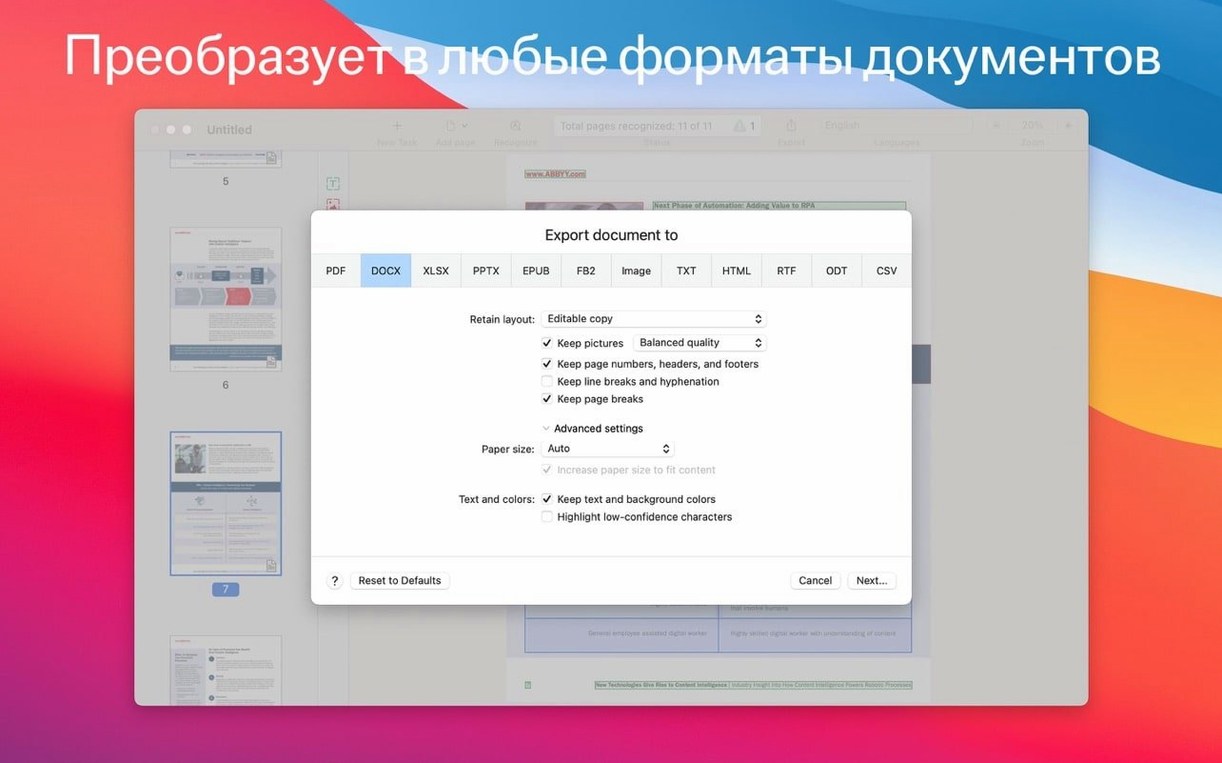
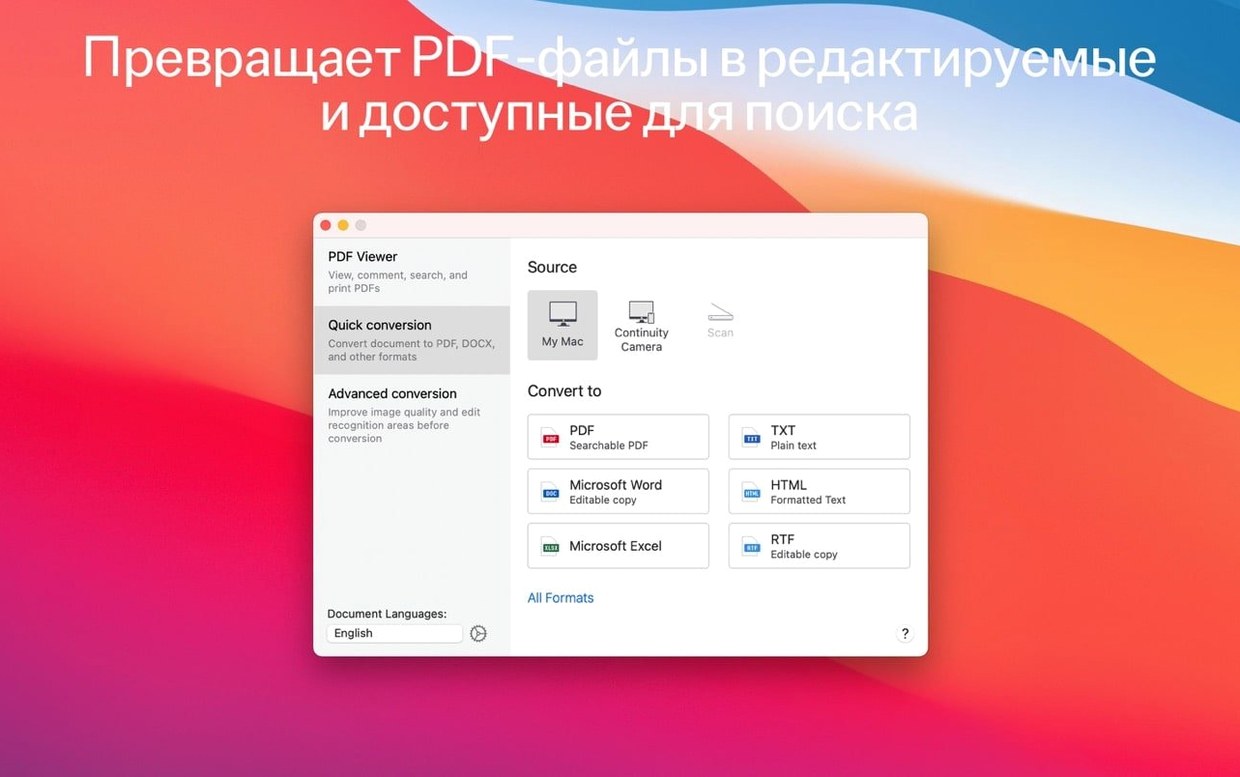
ABBYY FineReader PDF 15.2.14 is for anyone who regularly deals with paper documents, locked PDFs, or image-only files and needs to pull usable text from them. It turns flat scans into editable, searchable material without the manual retyping.
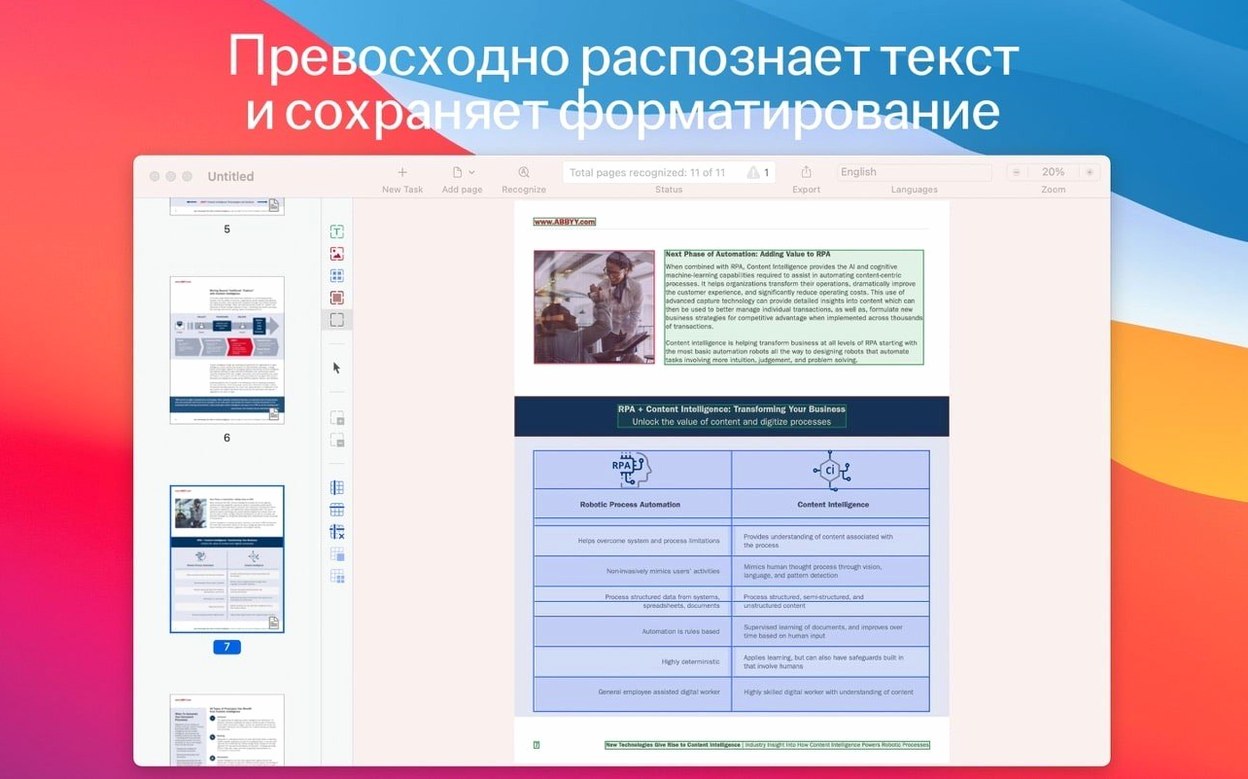
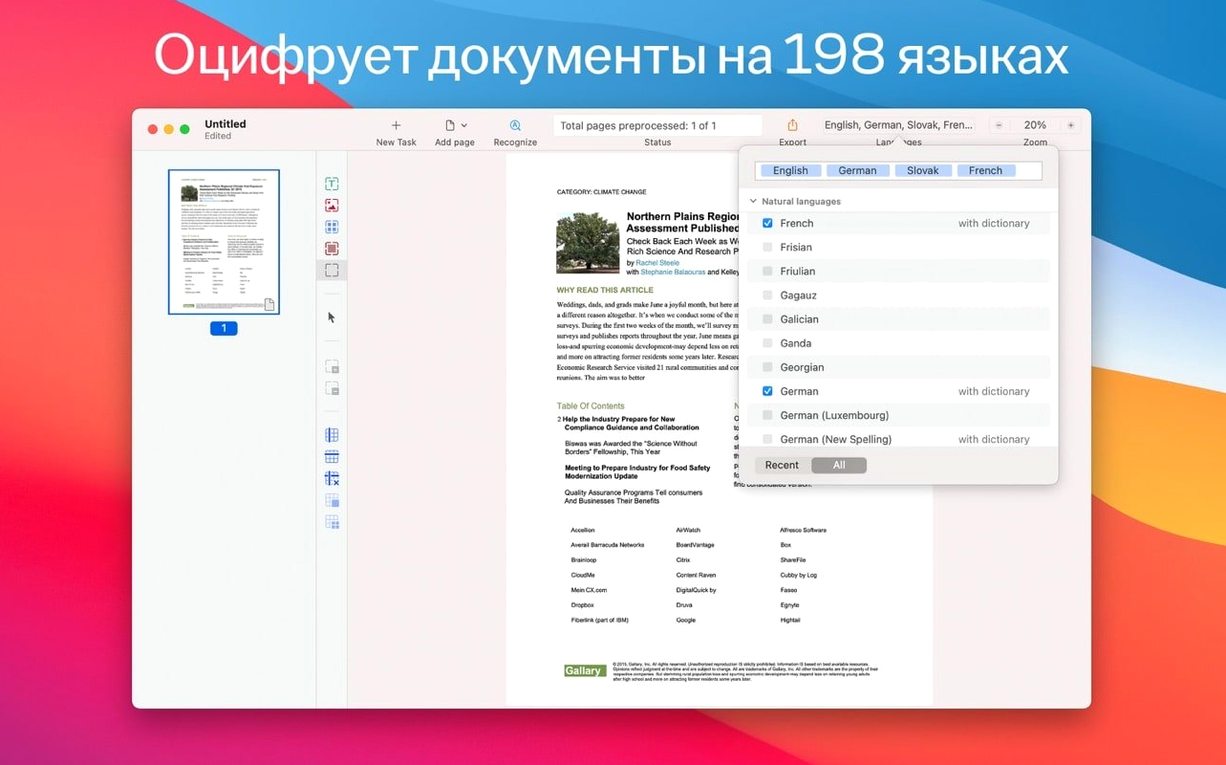
FineReader clicks hardest for people who touch documents that were never born digital. Legal assistants pulling clauses from a photographed contract, researchers quoting nineteenth‑century print journals, translators handed a stack of image‑only PDFs — they all lean on it daily. The 198‑language engine matters most when a scan mixes scripts, say a French abstract followed by a Russian bibliography table.
Education staff converting old exam papers into editable DOCX fall into the same bucket. So do anyone managing an archive: turning filing‑cabinet scans into searchable PDF/A files means a collection actually becomes useful instead of just taking up drive space. If your work involves typing out what you see on screen just to get it into Word, the app makes that step disappear.
A freelance translator in Melbourne wakes up to an email from a law firm. Attached are forty pages of a scanned Italian lease agreement, image‑only, with handwritten margin notes. The brief asks for a rough English draft by Friday.
She opens abbyy finereader pdf mac, drops in the PDF, and sets the recognition language to Italian. The handwritten notes won't survive (they rarely do), but the printed body comes through crisp. She copies the text into a clean DOCX, then runs the built‑in PDF viewer in dark mode to cross‑check the original scan alongside her draft. The table of rent instalments — which she once would have retyped number by number — converts as an editable table. She spends her afternoon on phrasing, not data entry, and files the searchable PDF/A into her project archive so the same lease is findable next year.
Compared with PDFpen, FineReader leans harder into recognition depth. PDFpen is a lighter, faster editor for mark‑up and redaction, but its OCR engine doesn't reach the same language breadth or table‑reconstruction accuracy. Someone correcting a single typo on a born‑digital PDF might prefer PDFpen's simplicity; someone pulling data from a trilingual paper form will stick with ABBYY.
Next to Adobe Acrobat Pro, the overlap is larger — both handle editing, conversion, and archiving — yet FineReader's scanner‑to‑editable‑file pipeline often feels more direct. Acrobat wraps OCR inside a broader PDF suite, whereas ABBYY treats document conversion as the main event. If your day starts with a paper stack, that focus speeds things along.
OwlOCR occupies the opposite corner: it's a tiny, free menu‑bar tool that grabs text from a screenshot and places it on the clipboard. Fine for a paragraph or two, but it doesn't touch batch processing, PDF/A export, or password protection. People who graduate from OwlOCR usually do so because they need the full abbyy finereader pdf 15.2.14 toolset — especially the archiving formats and the table editor.
The abbyy fotoreader 1.0 name sometimes pops up in old forums, but that was a much earlier product line. The current Mac app runs as a 64‑bit Intel binary and integrates Continuity Camera directly, so you can pull a shot from an iPhone or iPad without leaving the conversion workflow.
Yes, the OCR editor mode lets you click into recognised text blocks and tables to make corrections directly, as if you were in a word processor.
It does. You can import previously captured images from an iPhone or iPad and convert them into searchable PDFs or editable documents.
The app's menus and dialogs come in Russian, English, German, Italian, Simplified Chinese, and French.






Chat 0
Hop in or make an account to join the chat.
Quiet in here so far. If you have used this build, tell me what the install actually did.